On the Law of Order in the Family and the Price We Pay When We Ignore It
There are topics that are rarely spoken about openly, not because they are not important, but because they are painful. One of those topics is what happens to dogs when a child enters the family.
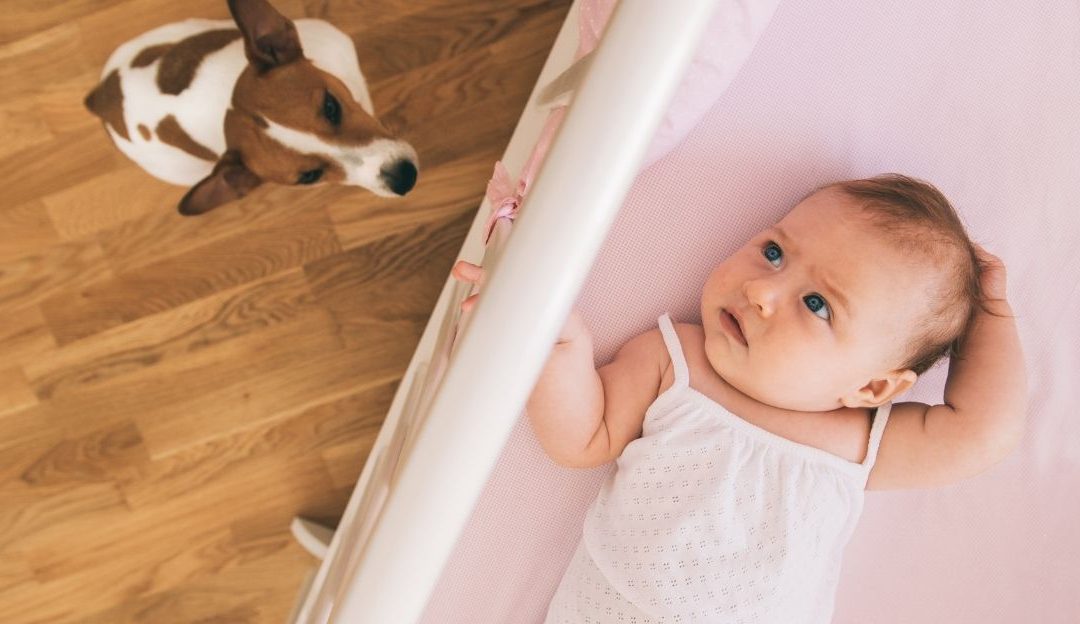
On the surface, everything seems simple. The family expands, a new life arrives, joy grows, and the dog remains part of that picture. However, beneath the surface, processes often unfold that carry much deeper consequences. The relationship between a dog and a baby then stops being just physical coexistence and becomes a question of survival within the system.
In practice, patterns are increasingly visible. A dog that was at the center of attention for years, that held a special place in the emotional life of the family, suddenly loses that position. This does not happen only through changes in routine or the amount of time spent with the dog. Its role within the family system changes.

When a family cannot have a child for a long time, the dog often unconsciously takes on a place that, in the natural order, belongs to a child. It becomes an emotional anchor, the focus of attention, someone who receives care, tenderness, and meaning that go beyond its natural role as a dog. In such a relationship, the dog is no longer just a dog. It becomes a substitute for something that is missing.
Dog and Baby in Conflict for the Same Place in the System
The moment a child arrives, the order changes. The child takes the place that naturally belongs to it. That place is central, because the child comes after the parents and carries the continuation of life. In this order, there is no space for overlapping roles. Two cannot stand in the same place. When this happens, conflict appears in the system.
For a long time, this phenomenon could be seen as a hypothesis. However, events that occurred in my close environment confirmed it in a way that is difficult to ignore.
A family close to me lived with two small dogs. For years, they tried to have a child, and during that time, they built a deeply emotional relationship with their dogs. Those dogs became more than pets. They took on a significant place in their lives.
When the woman finally became pregnant, one of the dogs died shortly before the birth. Some time later, she became pregnant again. And once again, shortly before the birth, the second dog left the family. This time not through death, but because they gave it away.
Such events are often explained as coincidence or circumstance. But when the same pattern repeats, it becomes clear that this is not just a series of isolated events. It is a matter of order.
How Do the Dog and the Baby Respond to a Disturbed System?
The law of order in the family is not visible like a physical law, but it manifests through relationships. It determines who belongs where, who holds which position, and how energy flows within the system.
When the order is clear, the system functions with stability. When the order is disturbed, the system seeks a way to return to balance.
In such situations, the dog often becomes the one that carries the consequences. If the dog remains in a place that no longer belongs to it, the system will try to move it. This can happen in different ways: through illness, through behavioral changes, through distancing, or through the owner’s decision to remove the dog from the home. The form may vary, but the pattern remains the same.
That is why it is important to understand that the problem is not the dog. The problem is the role the dog has taken on.
When a dog takes the place that belongs to a child, it enters a position that is not natural for its species. It carries a responsibility that its organism cannot sustain in the long term. At first, this may appear as closeness and love, but over time, such a role becomes a burden.
With the arrival of a child, the natural order demands a change. The dog must return to its place as a dog. This does not mean losing value or love within the family. On the contrary, it means gaining a position that is sustainable. A place where the dog can be stable, support the system, and live in accordance with its nature.
Watery Eyes in Dogs: When the Cause Is Not an Infection
A Dog Is Not a Toy: How to Properly Care for a Dog
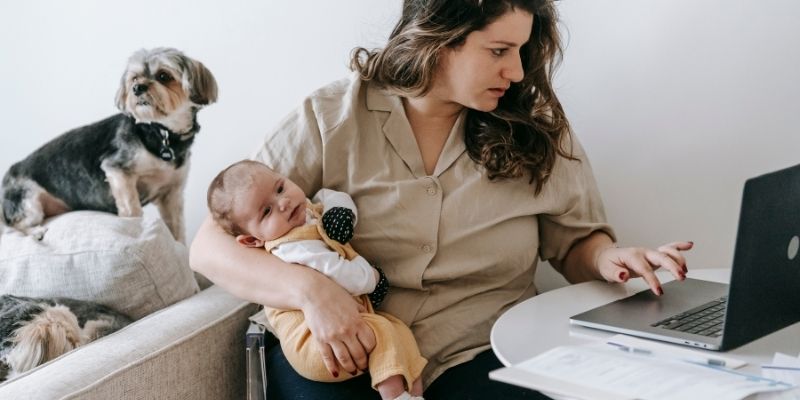
The dog gains strength only when we return it to its rightful place.
When this shift does not happen consciously, it often occurs through crisis. The dog may become anxious, jealous, withdrawn, or aggressive. It may display behaviors that owners perceive as problems, but which are actually attempts to find its place in the new order. In some cases, the system goes further, and the dog no longer remains in the family.
These are painful moments.
That is why the key question is: can this process unfold differently? The answer is yes. But only if the shift in roles happens consciously and in time.
The dog must be given a new meaning within the family. It stops being a substitute for a child and becomes a dog again. Its role is redefined through clear boundaries, structure, and activities aligned with its nature. The dog does not lose its place, it gains stability.
In such an order, the dog can become a powerful support in a child’s development. Not as competition, but as an ally. A dog with a clear place in the family can help a child develop a sense of security, empathy, and connection to the world. It can become a stable presence, one that teaches rhythm, boundaries, and responsibility. But this is possible only when the order is clear.
In my work with families, I use principles that help make this transition in a healthy way. Through practical steps, changes in daily habits, and a deeper understanding of relationships, it is possible to prepare both the dog and the family for the arrival of a child.
This is not a process that happens on its own. It is a process that requires awareness. Because if we leave it to chance, the system will find its own solution. And those solutions are not always the ones we would choose.
That is why it is important not to ignore this topic. Not to create fear, but to understand what is happening. When we understand order, we can support it. When we support it, the system functions with less conflict and fewer losses.
The dog does not have to leave. It can remain part of the family.
But as a dog. In its place. Within an order that supports life.
At Sasha Riess, we respect the invisible laws that govern a household. Aligning the relationship between a dog and a baby with the natural order of life protects both the newborn and your pet, fostering a home of true pureloveandharmony. Restore your family’s order: Linktree Sasha Riess
Sasha Riess Pure Love & Harmony Duo Pack The Complete Dog Coat Care System
👉 Follow our Facebook page and never miss our latest articles, news, and updates.
View this post on Instagram