by Sasha Riess | 06.10.26. | Emotions
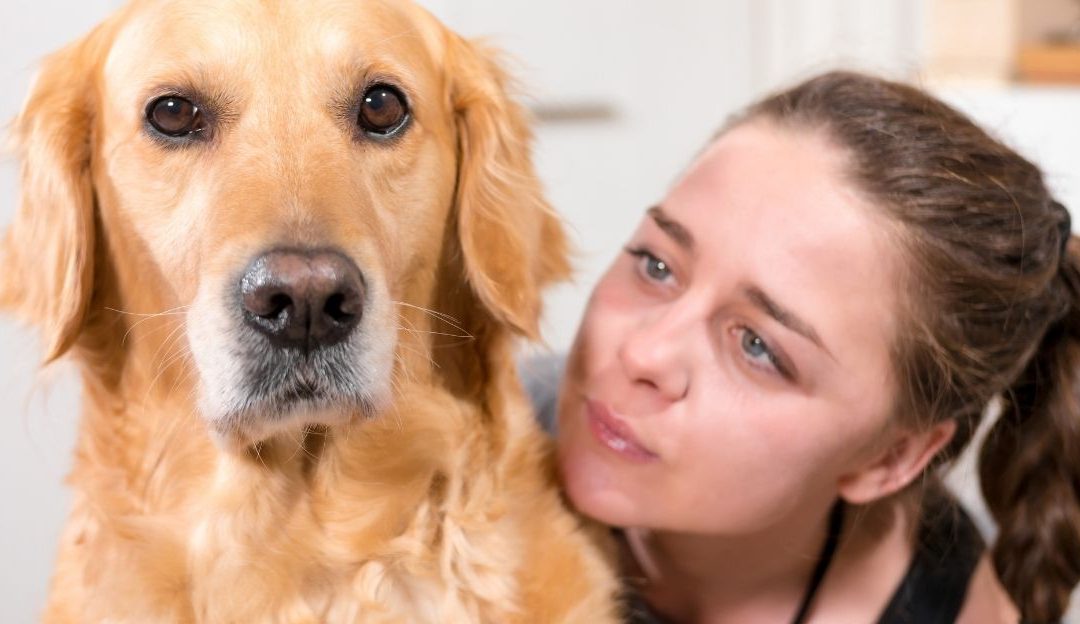
There is something almost every dog owner experiences at least once, yet rarely knows how to explain with words. A person enters a room tense, upset, angry, or afraid, and before a single word is spoken, the dog has already changed its behavior.
In those moments, the dog’s nervous system immediately registers the shift in the environment. Some dogs begin following their owner through the house. Some withdraw. Others start panting, licking their lips, trembling, or barking for no apparent reason.
Sometimes it seems as though the dog is “reading energy.” And this is exactly where the conflict begins between everyday human experience and the modern attempt to explain reality.
Many people immediately dismiss the phrase “bad energy” as something mystical or irrational. However, if we remove the spiritual terminology and observe what is physiologically happening inside both the human and the dog, we arrive at a very serious and scientifically grounded topic. Consequently, understanding what happens when a dog feels a person’s bad energy requires examining biological processes: stress hormones, changes in breathing, muscle tension, body micromovements, chemical scents released through the skin, tone of voice, heart rhythm, and neurochemical reactions that dogs perceive long before humans become consciously aware of them.
A dog does not primarily live in a world of language like humans do. A dog lives in the world of the nervous system — in the world of scent, movement, rhythm, tension, and safety. While humans try to explain reality through thought, dogs experience it through the state of the organism itself. Therefore, dogs often know how a person feels before the person is ready to admit it to themselves.
The Biology of Stress: What the Dog Actually Detects
When a human being experiences stress, the body automatically activates the stress response, which serves as the organism’s survival reaction to perceived danger. This process begins in the brain, specifically in the amygdala, which evaluates whether something is safe or threatening. When the brain perceives danger, whether physical or emotional, the sympathetic nervous system activates, pushing the body into a state of alertness.
The heart beats faster. Breathing becomes shallow and rapid. Muscles tighten. The tone of voice changes. Adrenaline and cortisol levels rise. Even the chemical composition of sweat and skin odor changes. A person may attempt to appear calm externally, but the organism speaks an entirely different language.
And this is precisely the language the dog reads with extraordinary accuracy.
Biology and Chemistry: How the Dog’s Nervous System Responds
Dogs possess between 220 and 300 million olfactory receptors, while humans have approximately six million. The area of the canine brain dedicated to processing scent is vastly more developed than our own. In other words, dogs live in a world of rich chemical information.
When humans experience stress, the body releases chemical compounds that alter body odor. Studies demonstrate that dogs distinguish sweat samples of stressed humans from those of relaxed individuals. This is not magic — it is pure biology.
However, the story goes far beyond scent alone. When a person lives under prolonged stress, the energetic dynamic of the body changes completely. Facial muscles tighten, movements become sharper or less coordinated, breathing loses rhythm, and the nervous system shifts into hypervigilance.
And the dog, as a social being that evolved alongside humans for thousands of years, does not merely observe behavior. It neurologically synchronizes with the human being. Today, researchers associate this phenomenon with the co-regulation of the nervous system. Human and canine nervous systems continuously influence one another. When a person stays calm, stable, and emotionally regulated, the dog remains far more capable of staying in a state of safety. Conversely, when the person becomes chaotic, anxious, or emotionally explosive, the dog often enters a state of alertness and stress.
That is why many dogs begin developing problematic behaviors during periods when the family experiences major stress: divorce, financial difficulties, illness, conflict, relocation, or emotional crises. The dog may not understand human language, but it deeply senses the shift within its system.
Perhaps the dog is not the problem. Perhaps the dog simply responds to the condition of its environment.
Chronic Stress in the Modern World of Dogs
In practical work with dogs, owners frequently seek help for barking, aggression, separation anxiety, or hyperactivity, only for it to become clear that the entire household has lived under immense pressure for months or years. The dog’s nervous system functions as a sensor for the entire household. The dog does not rationally analyze the problem — its body simply feels it.
When a dog’s organism detects human stress, the same biological mechanisms activate within the dog. The sympathetic nervous system triggers, adrenal glands release adrenaline and cortisol, heart rate increases, and muscles prepare for action. Simultaneously, digestion slows because the body redirects energy toward survival. If this state lasts too long, the organism eventually becomes exhausted.
This creates one of the central problems of modern canine life. Dogs today live in a state of constant stimulation. Cities remain loud, humans stay chronically stressed, and daily rhythms accelerate. Screens, noise, emotional tension, lack of routine, unpredictability, loneliness, and constant rushing create an environment where the dog’s nervous system rarely experiences true rest.
In the past, dogs had clearer roles, stable routines, and greater opportunities for physical energy release. Today, many dogs live as emotional companions to humans who are themselves emotionally overloaded. Consequently, we increasingly see symptoms of chronic stress: compulsive licking, destructive behavior, excessive barking, digestive problems, allergies, increased shedding, reactivity, and even autoimmune disorders. The body cannot remain in survival mode indefinitely without consequences.
The Dog as a Mirror of Human State
Science now explores hormonal synchronization between humans and dogs. For example, contact between a dog and a human increases oxytocin levels — the hormone associated with bonding, safety, and love. If states of safety can transmit across species, states of stress transmit just as easily.
A chronically anxious person unconsciously communicates danger to the dog. The dog becomes more vigilant, tense, and reactive. If this state persists long enough, the dog’s organism functions as though the world itself is fundamentally unsafe.
SAFETY IS A PHYSIOLOGICAL STATE THAT ALLOWS THE DOG’S NERVOUS SYSTEM TO ENTER A PARASYMPATHETIC STATE OF REST.
This explains why simply „training behavior“ often fails. Teaching a dog to sit or lie down means very little if the animal’s entire nervous system remains trapped in survival mode. The dog may learn commands, yet the body remains under stress. This is why so many owners state they tried every training method without lasting success. The body remembers, the nervous system remembers, and hormonal patterns remember. The dog does not respond only to external behavior — it responds to the inner condition of the human being.
Safety Is a Physiological State
People often want a calm dog while living in constant emotional chaos themselves. They desire stability in the dog while living unstable lives, expecting a relaxed companion while their own bodies function daily under pressure, tension, and unresolved internal conflict. The dog then tries to find safety inside a system that lacks safety.
Of course, this does not mean humans bear blame for every issue a dog develops. Life remains far more complex than that. Genetics, early experiences, socialization, nutrition, health, and countless other factors play crucial roles. However, ignoring the influence of human emotional states on dogs is no longer realistic.
Interestingly, dogs react very differently to different people, even when those people outwardly behave in similar ways. One person may approach gently while internally feeling tense or fearful, while another remains calm, stable, and emotionally present. Very often, the dog reacts more strongly to the state of the organism than to visible behavior. This explains why dogs instinctively avoid certain people while immediately relaxing and falling asleep beside others.
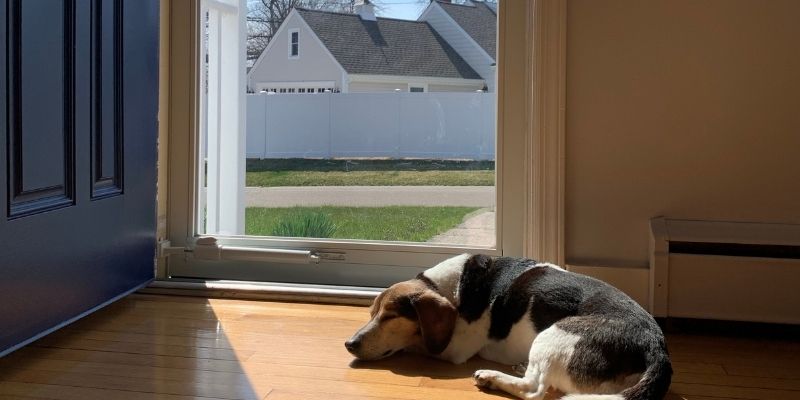
In the world of dogs, safety is not an abstract idea — safety is a physiological state. When a dog feels safe, the body enters a parasympathetic state. Heart rate slows, digestion functions better, muscles relax, and breathing deepens. The organism becomes capable of regeneration. Only then can true learning, emotional stability, and healthy socialization occur.
When the organism remains under constant pressure, the body stops investing energy into balance and development — it invests energy into survival. And perhaps this is one of the greatest lessons dogs try to teach us.
Dogs do not respond as much to what we say as to what we are. They do not listen only to our words — they listen to our heart rhythm, breathing, hormones, muscle tension, movement patterns, and nervous system condition. In that sense, the dog becomes a mirror of the human being. When the human stays present, stable, and regulated, the dog feels it. When the human lives in constant internal conflict, the dog feels that as well.
Perhaps the relationship between humans and dogs has never truly been only a relationship between owner and animal. Ultimately, it is a relationship between two nervous systems that continuously communicate, influence one another, and together search for safety in a loud, fast, and stressful world. Many dogs suffer today not because we do not love them, but because many of us have forgotten what peace itself feels like.
Thank you for reading.
To discover more about how emotional alignment, balanced lifestyle, and authentic energy restore internal balance, read our canine emotional health guidelines.
See you next time.
At Sasha Riess, we look past commercial labels to honor the unique biological blueprint of your companion. True health requires addressing the subtle internal patterns that create lasting vitality and pureloveandharmony. Discover the customized path to your dog’s longevity: Linktree Sasha Riess
👉 Follow our Facebook page and never miss our latest articles, news, and updates.
by Sasha Riess | 15.09.26. | Emotions
Love is an inner feeling that does not depend on someone’s physical presence in our lives. We can love a tree, a friend, or a partner because love springs from our own soul. However, when the loss of a dog occurs, the pain we feel often exceeds all our physical and emotional capacities.
Many people then wonder why is the loss of a dog so painful and why it breaks us to such an extent. The answer lies in the deep emotional bond and the role a dog unconsciously assumes within our family.
A Dog as an Emotional Conduit for Suppressed Love and Grief
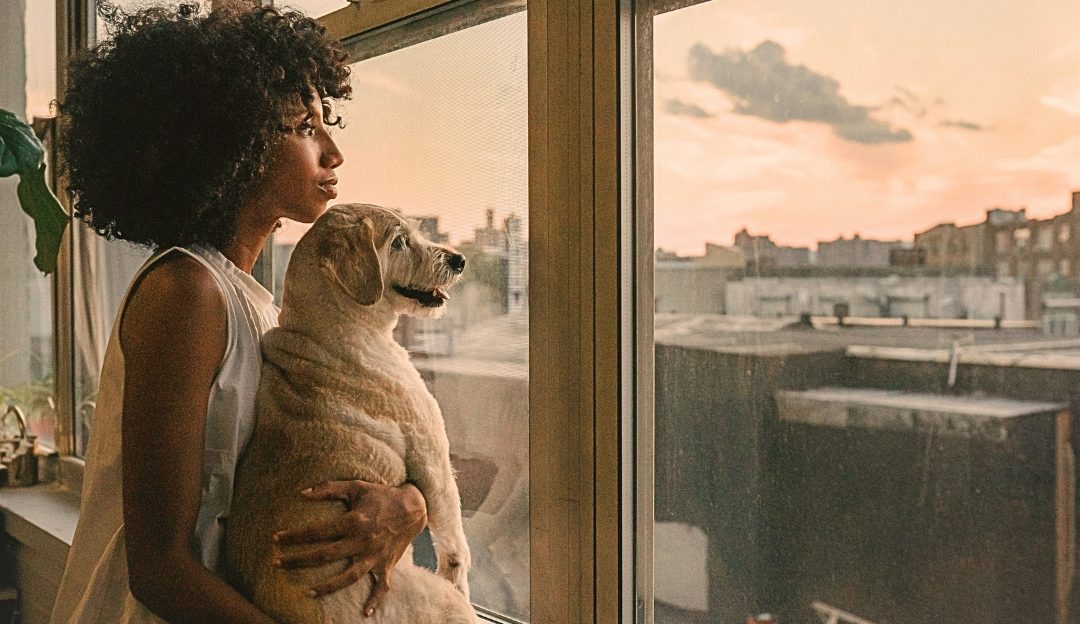
Our dogs are not merely animals that live in our homes. Through our dogs, we often unconsciously connect with parents, siblings, and loved ones who are no longer with us. Consequently, when we hug or pet a dog, we express tenderness toward all those beloved beings who have already left this world.
A spontaneous kiss or the touch of a dog’s fur becomes a conduit for the love we never had the chance to fully share. Simultaneously, a dog accepts that emotion without any conditions and provides a safe haven for our inner grief.
Why Does the Loss of a Dog Reopen Old and Unhealed Wounds?
When a dog leaves this world, it is not only a beloved pet that is gone. Along with that loss, all the suppressed grief we carry deep within ourselves begins to resurface. Therefore, every loss of a dog reopens old sorrow connected to deceased family members and unspoken words.
That is why the pain is so intense, tragic, and long-lasting. We are not grieving for just one being. We are reliving all the family wounds we have carried throughout our lives. It is a profound sadness that remains in our hearts forever.

HONORING THE BOND WE SHARED ALLOWS US TO ACCEPT THE PAIN AND HEAL OUR SOUL.
Understanding and Accepting Deep Emotional Pain
It is truly important not to underestimate the pain we feel after losing a pet. Society often views the loss of a dog as an ordinary event, but for the soul, it represents a deeply emotional upheaval. We must allow ourselves to grieve that love and accept all the emotions that rise to the surface.
Ultimately, accepting that pain allows us to heal and honor that extraordinary bond. Our dogs enter our lives for a reason, leaving us with the ability to love more deeply and more purely than ever before.
Thank you for reading.
To discover more about how emotional alignment, balanced lifestyle, and authentic energy restore internal balance, read our canine emotion and behavior guidelines.
See you next time.
At Sasha Riess, we look past commercial labels to honor the unique biological blueprint of your companion. True health requires addressing the subtle internal patterns that create lasting vitality and pureloveandharmony. Discover the customized path to your dog’s longevity: Linktree Sasha Riess
👉 Follow our Facebook page and never miss our latest articles, news, and updates.
by Sasha Riess | 14.09.26. | Emotions
In nature, deep and harsh laws ensure the survival of the community. Many people view relationships among animals purely through an emotional lens. However, the natural order functions on the foundations of deep wisdom and responsibility for the whole.
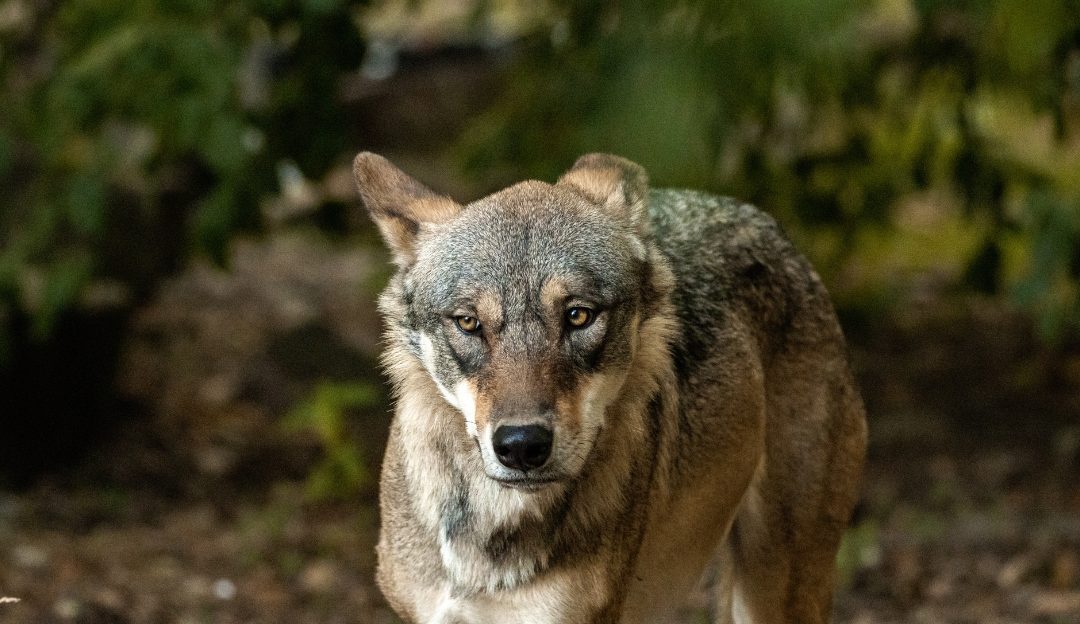
When we observe the lives of wild animals, we notice a fascinating pattern of behavior during times of crisis. Understanding why a wounded wolf does not immediately return to its den carries a powerful message about leadership, personal responsibility, and protecting one’s pack.
The Responsibility of a Leader and the Protection of the Entire System
A true leader must always look at the bigger picture and protect the stability of the group. If a leader allows weaknesses and destructive influences to disrupt the system, the entire pack faces great danger. In the wild, a wounded individual carries the scent of blood and displays clear signs of weakness.
Consequently, if such a wounded wolf returns to the den, rival packs immediately sense its vulnerability. Therefore, this situation attracts enemies and leads to an attack in which the entire community suffers.
Withdrawing Into Solitude as an Act of Love for the Pack
Just as elephants in old age or illness move far away from their herd, wolves also withdraw into isolation. This withdrawal is not a sign of rejection or surrender. Rather, it represents a deeply instinctive act through which an individual protects its family from additional burden and risk.
By withdrawing into solitude, the wounded individual takes full responsibility for its own healing. Simultaneously, it conserves the resources of its community and gives itself peace without exposing others to danger.
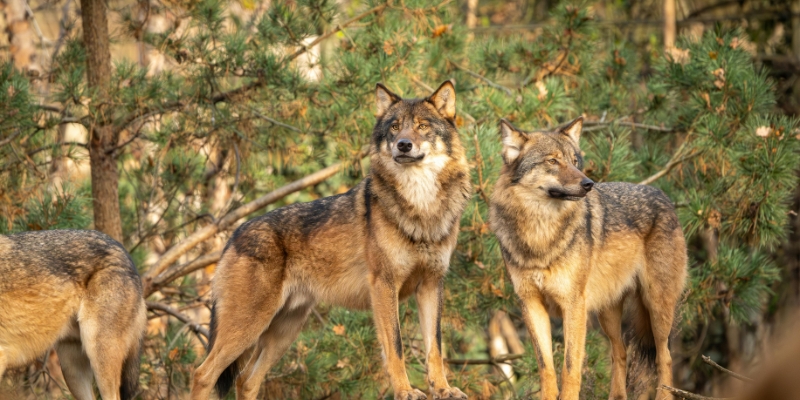
TRUE LEADERSHIP AND EMOTIONAL MATURITY PROTECT THE STABILITY AND SAFETY OF THE ENTIRE COMMUNITY.
Returning to the Community After Full Recovery
Healing requires time, silence, and dedication to one’s own recovery. When the wounded wolf manages to survive, heal its wounds, and regain its strength, the path back opens again. It then returns to the pack with renewed strength and receives a warm welcome.
Ultimately, this natural metaphor teaches us an extremely important life lesson. Before we seek refuge in the community, we must heal our own inner wounds so that we do not endanger the people we love.
Thank you for reading.
To discover more about how emotional alignment, balanced lifestyle, and authentic energy restore internal balance, read our canine emotion and behavior guidelines.
See you next time.
At Sasha Riess, we look past commercial labels to honor the unique biological blueprint of your companion. True health requires addressing the subtle internal patterns that create lasting vitality and pureloveandharmony. Discover the customized path to your dog’s longevity:Linktree Sasha Riess
👉 Follow our Facebook page and never miss our latest articles, news, and updates.

by Sasha Riess | 08.09.26. | Emotions
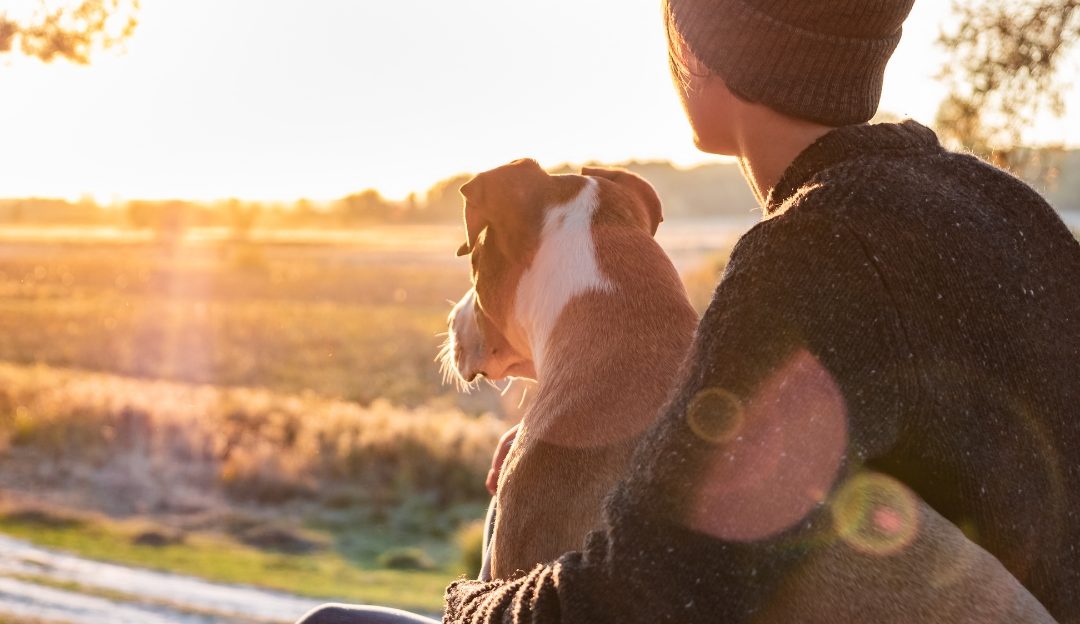
Many owners wonder why their dog cannot calm down and relax despite all the good conditions and love it receives. The answer often does not lie within the dog itself, but in what the human carries deep inside.
Dogs act as perfect mirrors of our emotional state and inner processes. When chronic inner tension exists within us, the dog feels it at every moment. No matter how hard we try to hide our unrest, the dog absorbs our defenses and remains in a continuous state of alertness.
Walls of Defense and the Fear of Losing Those We Love
We all build silent walls and defense mechanisms to protect ourselves from unpleasant emotions and fears. However, that fear does not relate to physical death or the pain itself. At its core, it represents a deep fear of losing those we love most.
Sometimes, unconsciously, we carry the thought that our loved ones cannot continue living without us if we leave. Consequently, that hidden inner tension and avoidance of facing our own emotions create an invisible pressure within the home that the dog detects unmistakably.
How Does Accepting Vulnerability Bring Calmness to a Dog?
A dog cannot relax as long as it feels that its human carries an invisible burden and heavy walls of defense. Only when we learn to accept our own vulnerability do we take the first real step toward healing the relationship.
Facing our own fears and suppressed emotions frees us from long-term pressure. Therefore, when we establish peace within ourselves, our inner energy becomes stable and clear. At that moment, the dog finally feels that the environment offers safety and that it no longer needs to remain on high alert.
Understanding the underlying reasons why a dog cannot relax brings lasting stability to the home. Simultaneously, accepting our own emotions and fears creates space for pure and unconditional love.

WHEN WE REMOVE OUR EMOTIONAL DEFENSES, OUR PEACE BECOMES THE PEACE OF OUR COMPANION.
Unconditional Love That Asks for Nothing in Return
When we remove our defenses and find true stability, we create space for pure and unconditional love. Our peace becomes the peace of our companion as well, because dogs respond to complete presence and truth.
Then the dog can freely relax, sleep peacefully, and enjoy every shared moment. Ultimately, by building inner peace, we help ourselves, while at the same time giving our dog the most beautiful gift: a feeling of complete safety, peace, and acceptance.
Thank you for reading.
To discover more about how emotional alignment, balanced lifestyle, and authentic energy restore internal balance, read our canine emotion guidelines.
See you next time.
At Sasha Riess, we look past commercial labels to honor the unique biological blueprint of your companion. True health requires addressing the subtle internal patterns that create lasting vitality and pureloveandharmony. Discover the customized path to your dog’s longevity:Linktree Sasha Riess
👉 Follow our Facebook page and never miss our latest articles, news, and updates.
by Sasha Riess | 07.09.26. | Emotions
For years, I thought I was doing the right thing while following rules, ideals, and high standards. I believed that in doing so, I was protecting the breed, but I failed to see the soul standing in front of me. I saw only form, an aesthetic image, and other people’s expectations.
With the best intentions, I failed to hear what my dog was truly telling me. Today I know that a dog is not a trophy or a project to be shaped according to human standards. A dog is a living being that does not need to be perfect, but needs to be itself.
How Exceptional Craftsmanship and Concealing Flaws Harm Breeds
Out of fear of insecurity, rejection, and a lack of love, we accept jobs in which we work solely for money. When we practice our craft perfectly only because we are being paid, we can unknowingly cause great harm. A year ago, I wrote a whitepaper about how, through my exceptional craftsmanship and concealing flaws in dogs, I contributed to the decline of breeds.
By concealing physical defects in show dogs, we enabled those flaws to pass on to the next generations. Consequently, this practice caused a difficult life and suffering for many dogs who came after them. Therefore, realizing that a dog is not a trophy requires us to abandon these harmful habits.
The Truth the Media and Magazines Were Not Willing to Publish
When we realize our mistake, the need arises to share the truth so that others can learn sooner. I tried to publish this text in several magazines and on various websites, but the editors rejected me. The reason was not that the text was not good or accurate.
They rejected it because they were not willing to publish it and confront the public with the harsh truth of the industry. Everything I do today through education represents my way of repaying the debt for what I did in the past. Simultaneously, I continue reminding owners that a dog is a living being that seeks presence, truth, and unconditional acceptance.
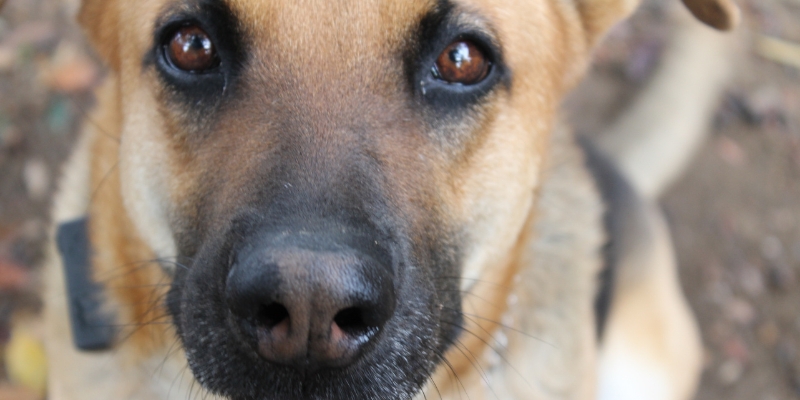
LOOK BEYOND FORM AND EXTERNAL STANDARDS TO SEE THE SOUL AND PURE LOVE STANDING IN FRONT OF YOU.
Look at Your Dog and See Love, Presence, and Truth
Today is the moment to truly look at our dog and see what has always been there. When we let go of form and expectations, we discover pure love, presence, and truth.
Ultimately, realizing that a dog is not a trophy frees us from the pressure of striving for false perfection. Be present for your dog and accept them in their full nature. In this way, we create a relationship based on deep respect, harmony, and genuine understanding.
Thank you for reading.
To discover more about how emotional alignment, balanced lifestyle, and authentic energy restore internal balance, read our canine emotion guidelines.
See you next time.
At Sasha Riess, we look past commercial labels to honor the unique biological blueprint of your companion. True health requires addressing the subtle internal patterns that create lasting vitality and pureloveandharmony. Discover the customized path to your dog’s longevity: Linktree Sasha Riess
👉 Follow our Facebook page and never miss our latest articles, news, and updates.

by Sasha Riess | 02.09.26. | Emotions
Many of us enter the world of dog care and the pet industry with big ambitions, business ideas, and the belief that we already know what is best. We often think that high-level care comes down to trade, buying the best brands, or creating the perfect food.
However, when we meet someone along that path who, without hesitation or sugarcoating, tears down those illusions, a moment of complete shock arises. Although we initially feel confusion and discomfort, we soon realize that this sharp awakening has forever changed our authentic relationship with dogs, children, and life as a whole.
Breaking Business Illusions and Returning to What Truly Matters
Coming into education with the idea of building a fast business or selling food often takes us further away from what animals truly need. When someone openly tells us that this concept is completely misguided, it creates strong inner resistance. Consequently, true nutrition and care are not found in trade or attractive packaging.
We must understand that it is not about what we mechanically place into a bowl. The essence lies in how we perceive the being in front of us. Once we let go of the commercial mindset, we create space for a much deeper understanding and build an authentic relationship with dogs.
It’s Not About WHAT We Give, but WHO, HOW, and WHY We Give
The most important lesson of this story lies in a complete transformation of our awareness and intention. What we give to a dog or a child is not the most important part. Therefore, what truly matters is who we are while giving it, how we do it, and with what inner intention.
Whether it is food, toys, or attention, material things without genuine presence mean nothing. Our authentic relationship with dogs is measured by our ability to be stable, present, and emotionally mature partners in that relationship.
Burying a Dog: Honoring Your Companion Between the Law and the Heart
Why Does Aggression Appear in Dogs and How Does the Airplane Metaphor Explain It?
Hidden Triggers and the Microbiome: How Does Deadly Pancreatitis Develop in Dogs?
Different People, Different Parents, and Unique Dogs
After going through this kind of mental awakening, we begin to see the world differently. We understand that we are all different parents, different owners, and different individuals. There are no universal formulas or one-size-fits-all solutions.
Accepting that diversity brings deep relief and inner peace. That is why this seemingly harsh lesson was, in truth, the greatest possible gift. Gratitude comes the moment we realize that breaking illusions has finally taught us how to love unconditionally. Ultimately, this awareness strengthens our authentic relationship with dogs and restores harmony to daily life. Simultaneously, we learn to nurture our bond with true mindfulness.
Thank you for reading.
To discover more about how emotional alignment, balanced lifestyle, and authentic energy restore internal balance, read our canine emotions guidelines.
See you next time.
At Sasha Riess, we look past commercial labels to honor the unique biological blueprint of your companion. True health requires addressing the subtle internal patterns that create lasting vitality and pureloveandharmony. Discover the customized path to your dog’s longevity: Linktree Sasha Riess
👉 Follow our Facebook page and never miss our latest articles, news, and updates.