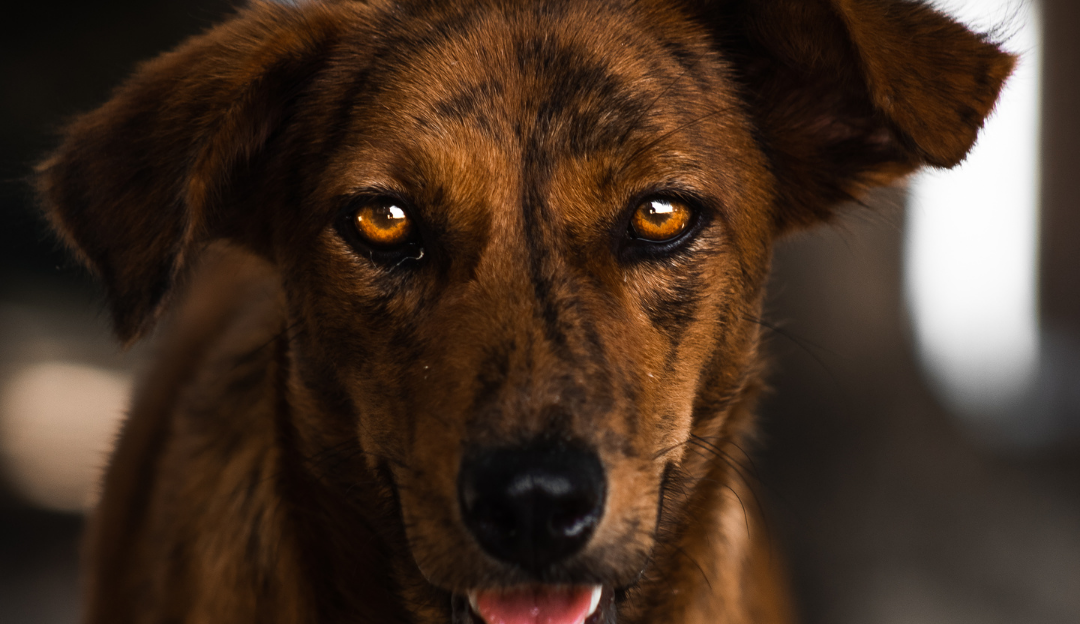
by Sasha Riess | 05.10.26. | Nutrition
Many owners spend a great deal of time, energy, and money on shampoos and external products to improve the appearance of their companion’s coat. However, once the coat has already washed out and pigment has faded, external care no longer works miracles. External treatments provide only a temporary and superficial change. Consequently, understanding where is inner beauty created helps us realize that true transformation always begins deep within the body and depends on the overall health of the entire system.
The Microbiome and Gut: The Source of Canine Beauty
The answer to where your dog’s beauty originates remains remarkably simple: in the gut and its microbiome. A balanced microbiome enables proper digestion and ensures complete absorption of vital nutrients from food.
When the digestive tract functions perfectly, the body receives all the essential building blocks needed to regenerate skin and fur. On the other hand, a disrupted microbiome immediately displays external symptoms like a dry coat, pigment loss, dandruff, and excessive shedding.
Therefore, the gut serves as the foundation upon which overall health and external appearance rest.
How Nutrition and Supplements Transform Coat Roots
When we change our approach to nutrition and add biologically appropriate supplements, results quickly become visible on the skin itself. By parting the coat, owners observe the growth of completely new, exceptionally dense, and strong fibers.
The new coat close to the skin develops a deeper color, natural shine, and significantly better texture. This visible change confirms that inner beauty represents a direct consequence of internal health and proper care of digestive organs. Simultaneously, instead of masking superficial imperfections, we must invest in food that actively restores the body from within.
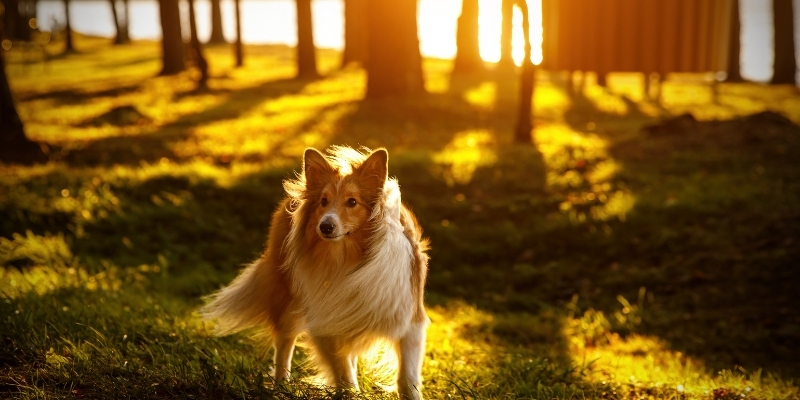
A LUSH, SHINY COAT IS A DIRECT NATURAL RESULT OF INNER BALANCE AND PROPER DIGESTIVE HEALTH.
External Shine as a Natural Result of Internal Balance
A dog’s beauty does not represent an aesthetic project that owners solve with scissors and cosmetics alone. It reflects the natural result of a healthy body in complete balance. When you provide your dog with proper support through fresh food and a balanced microbiome, the body responds with a lush, resilient coat.
Ultimately, reject short-term cosmetic solutions and dedicate your effort to building health from the very root. In this way, you ensure that your dog shines with full beauty, both from within and on the outside.
Thank you for reading.
To discover more about how emotional alignment, balanced lifestyle, and authentic energy restore internal balance, read our holistic health & nutrition guidelines.
See you next time.
At Sasha Riess, we look past commercial labels to honor the unique biological blueprint of your companion. True health requires addressing the subtle internal patterns that create lasting vitality and pureloveandharmony. Discover the customized path to your dog’s longevity: Linktree Sasha Riess
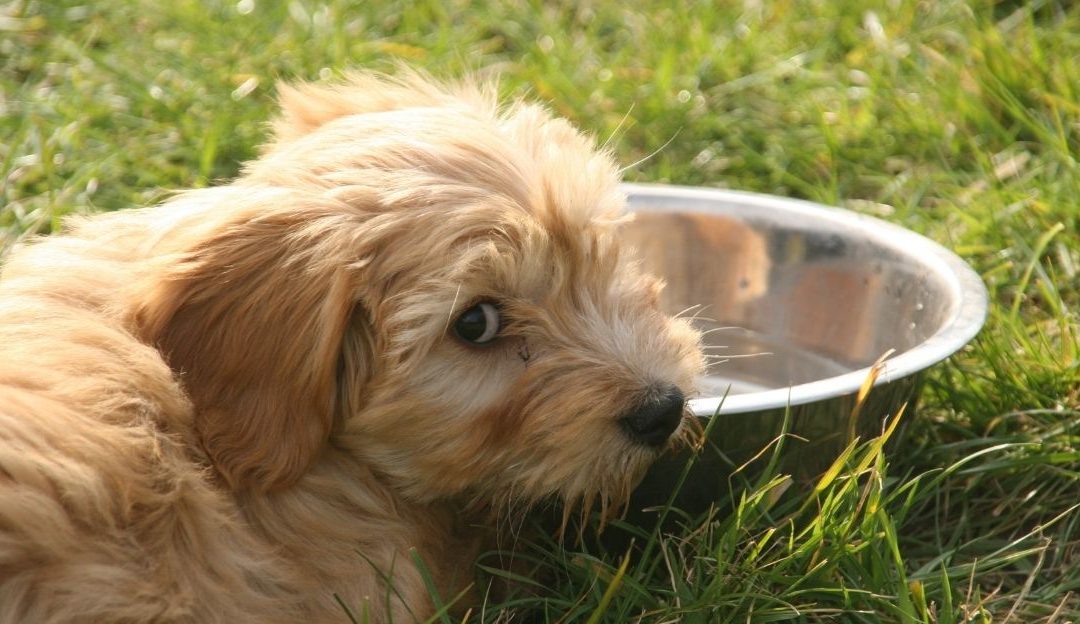
by Sasha Riess | 24.09.26. | Nutrition
Many owners, especially those with smaller breeds such as Yorkies, panic when they notice that their dog has not approached the water bowl all day. The first question they ask is: “How can I make my dog drink?” The answer is simple: Do not force it. A dog is not a number in a nutrition table. It is a living being of nature that drinks water only when it is truly thirsty. Proper dog care requires understanding the dog’s ecosystem, not blindly following general recommendations.
The Trap of Kibble and Dehydrated Food
The reason we remember dogs that constantly drink water is kibble. Dry, dehydrated food requires a large amount of water simply to soak in the stomach before digestion can even begin. Consequently, when a dog eats kibble, the body often uses its own water reserves to process it. This can lead to constant thirst and disturbance of stomach acid balance.
On the other hand, if your dog eats freshly prepared, moist food, most of the required hydration already comes through the meal itself. In that situation, the dog simply does not need to drink additional water because the digestive process does not dehydrate the body. Therefore, owners wondering why does my dog not drink water should first examine the moisture content in their dog’s daily diet.
Cooling Biology and Environment
Dogs do not have sweat glands across the entire body as humans do. They cool themselves mainly through breathing and through their paw pads. If your dog lives indoors in a temperature-controlled environment and is not exposed to extreme heat, it will not lose significant fluid through evaporation.
A dog walking on hot asphalt in Belgrade and a dog breathing mountain air on Zlatibor do not have the same hydration needs. Simultaneously, if there is no dehydration, there is no need for rehydration.
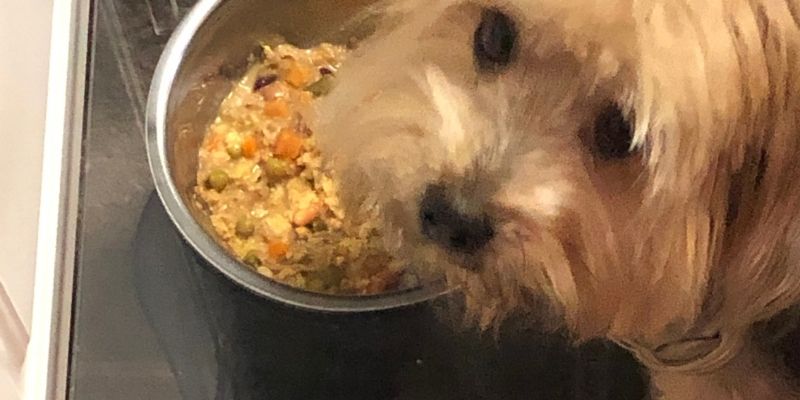
FRESHLY PREPARED MOIST FOOD PROVIDES NATURAL HYDRATION DIRECTLY THROUGH THE MEAL.
Observe Your Dog, Not Numbers
Just as a woman weighing fifty kilograms and a man weighing one hundred kilograms cannot have the same water requirement, dogs cannot fit into a single hydration formula.
Observe your dog’s ecosystem by asking these essential questions:
A dog will not allow itself to reach dangerous dehydration if fresh water is always available. Ultimately, your responsibility involves providing access to clean water, while the dog’s body knows exactly when it needs the first sip.
Thank you for reading.
To discover more about how emotional alignment, balanced lifestyle, and authentic energy restore internal balance, read our canine nutrition guidelines.
See you next time.
At Sasha Riess, we look past commercial labels to honor the unique biological blueprint of your companion. True health requires addressing the subtle internal patterns that create lasting vitality and pureloveandharmony. Discover the customized path to your dog’s longevity:Linktree Sasha Riess
👉 Follow our Facebook page and never miss our latest articles, news, and updates.
by Sasha Riess | 21.09.26. | Nutrition
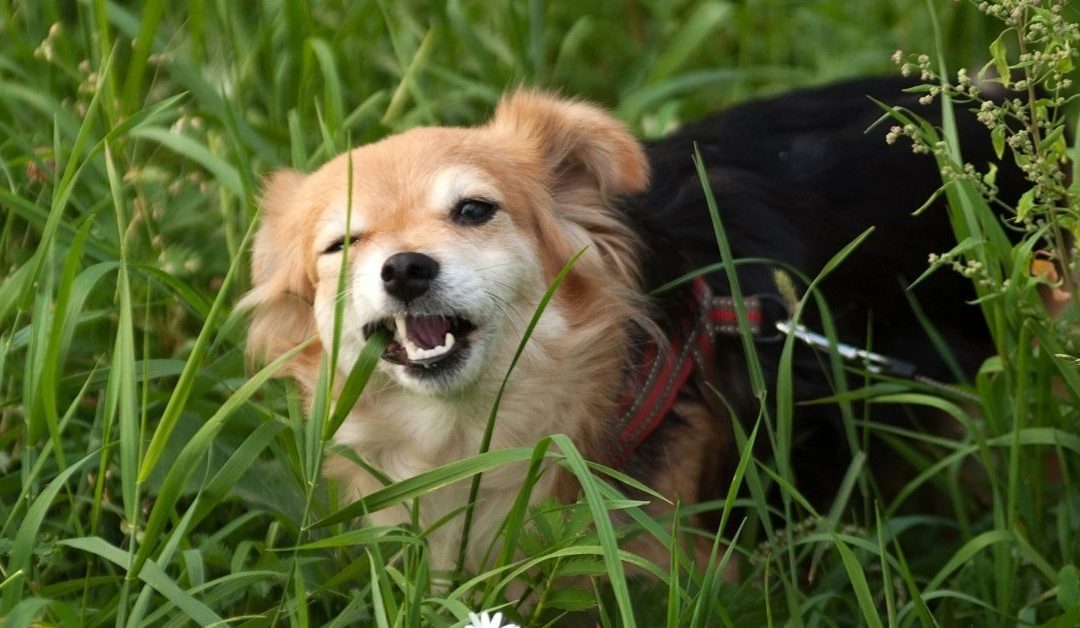
Many dog owners often wonder why dogs eat grass. While it might seem harmless or even odd, this behavior often hides subtle signals your dog is sending about digestion or overall health. Understanding those signals provides the first step in offering true support and relief.
Is It Normal for Dogs to Eat Grass?
Occasional grass-eating occurs commonly among dogs and usually causes no concern. Most often, the reason lies in the digestive system, as dogs instinctively eat grass to soothe stomach discomfort or speed up digestion. Consequently, it sometimes triggers vomiting, a natural detox process that helps the stomach release excess acid or undigested food.
A dog’s stomach produces incredibly strong acid, powerful enough to digest even raw bones. However, this applies only to fresh bones, as cooked ones remain unsafe and cause serious injuries to the digestive tract.
Warning Signs
Frequent grass-eating, vomiting, acid reflux, lip-smacking, or excessive drooling all reveal that the stomach and intestines lack balance. In such cases, owners must respond quickly to help their dogs naturally.
Zeolite as Natural Support
Zeolite serves as a natural mineral that helps detoxify the body and restore intestinal balance. For dogs, it significantly reduces issues such as acid reflux, vomiting, and poor digestion.
How to Prepare Zeolite
Prepare zeolite safely by following these steps:
-
Add one tablespoon of zeolite powder to a glass of water and let it sit overnight.
-
In the morning, collect only the clear water and discard the heavy sediment.
-
Add one tablespoon of this mineral water daily to your dog’s food or drinking water.
Owners can use this method daily for about a month, especially during natural detox periods. Although some manufacturers recommend giving the powder directly, this gentle water preparation offers a simpler, easier option that dogs tolerate much better.
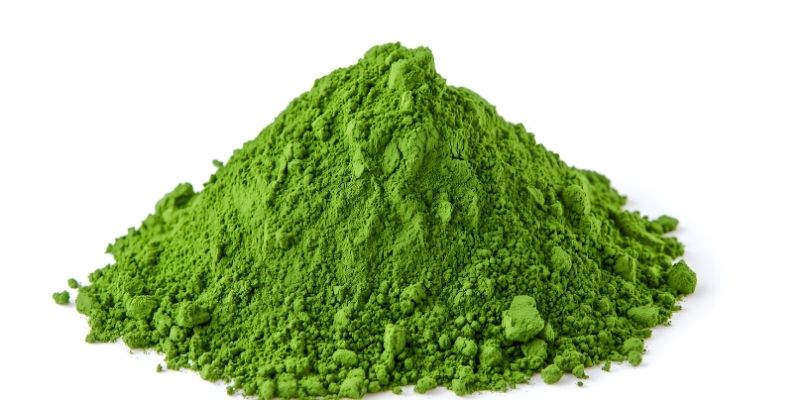
NATURAL DETOX SUPPLEMENTS HELP RESTORE DIGESTIVE BALANCE AND REDUCE ACID REFLUX IN DOGS.
Conclusion – What Does It Mean When a Dog Eats Grass?
A dog that occasionally eats grass doesn’t necessarily suffer from a serious health problem. However, frequent repetition or additional symptoms clearly show that the digestive system needs balance.
Ultimately, natural support like zeolite cleanses the body and strengthens stomach function. Observe your dog carefully and act early to maintain lasting health and vitality.
Thank you for reading.
To discover more about how emotional alignment, balanced lifestyle, and authentic energy restore internal balance, read our canine nutrition guidelines.
See you next time.
At Sasha Riess, we look past commercial labels to honor the unique biological blueprint of your companion. True health requires addressing the subtle internal patterns that create lasting vitality and pureloveandharmony. Discover the customized path to your dog’s longevity: Linktree Sasha Riess
by Sasha Riess | 18.09.26. | Nutrition
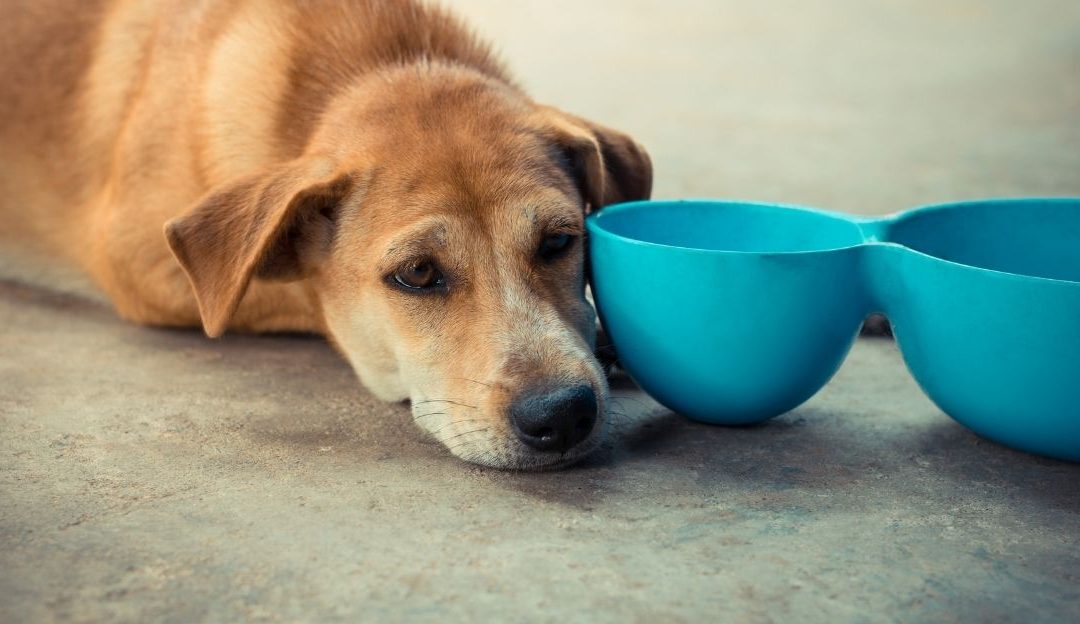
Many owners, with the best intentions, feed their dog at the exact same hour every day, most often after returning from work. What looks like routine and order, however, can create a strong conditioned reflex in the dog. Consequently, this habit turns into a serious behavioral and digestive issue over time.
A dog does not know that you are running late. The dog only knows that food arrives at five o’clock.
Therefore, allowing a dog to eat at the same time every day creates unnatural expectations.
How Digestive Problems Are Created
If you feed your dog every day at, for example, 5 p.m., the body adapts to that rigid rhythm:
-
stomach acid secretion begins around 4:30 p.m.
-
the organism prepares for a meal
-
the digestive system switches on
If the food does not arrive because you are stuck in traffic, working late, or delayed, stomach acid remains without food to digest. The result can be:
At that point, a conditioned reflex turns into an automatic physical reaction. The body no longer asks whether food is coming. It simply reacts.
A Dog Should Not Know the Exact Time of Feeding
The goal is not to stop feeding the dog. The goal is for the dog to know that food will come, but not exactly when.
In nature, dogs do not eat by the clock. Their bodies are adaptable, but when dogs eat at the same time every day, we teach them something unnatural. A dog that does not know the exact feeding time:
-
does not experience stress while waiting
-
does not produce excessive stomach acid
-
does not develop food-related anxiety
-
adapts more easily to changes in your daily life
How to Stop Feeding a Dog at the Same Time Every Day
The solution is simple, but it requires consistency:
-
one day feed the dog before leaving for work
-
the next day feed only after returning home
-
another day feed in the morning and stay home longer
-
one day skip a meal or let another person feed the dog
Simultaneously, observe your dog’s reaction during transition. Do not panic if the dog vomits foam the first time. This outcome shows that the reflex existed, not that you are doing something wrong.
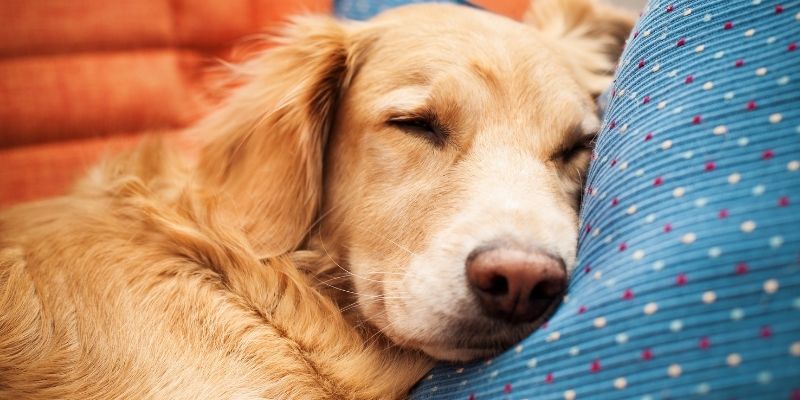
BREAKING THE FIXED SCHEDULE HELPS YOUR DOG REMAIN CALM, BALANCED, AND FREE FROM FOOD ANXIETY.
Organize Life, Not the Clock
A dog that does not know the exact feeding time is more stable. It is important for the dog to understand this: Food comes, but not by the clock.
Ultimately, a dog should adapt to family life, not the family to the dog’s feeding schedule. When you achieve this balance, the dog stays calmer, the digestive system operates more smoothly, and you gain true freedom. Routine is good. Fixed feeding times are not.
Thank you for reading.
To discover more about how emotional alignment, balanced lifestyle, and authentic energy restore internal balance, read our canine nutrition guidelines.
See you next time.
At Sasha Riess, we look past commercial labels to honor the unique biological blueprint of your companion. True health requires addressing the subtle internal patterns that create lasting vitality and pureloveandharmony. Discover the customized path to your dog’s longevity: Linktree Sasha Riess
👉 Follow our Facebook page and never miss our latest articles, news, and updates.
by Sasha Riess | 13.09.26. | Nutrition
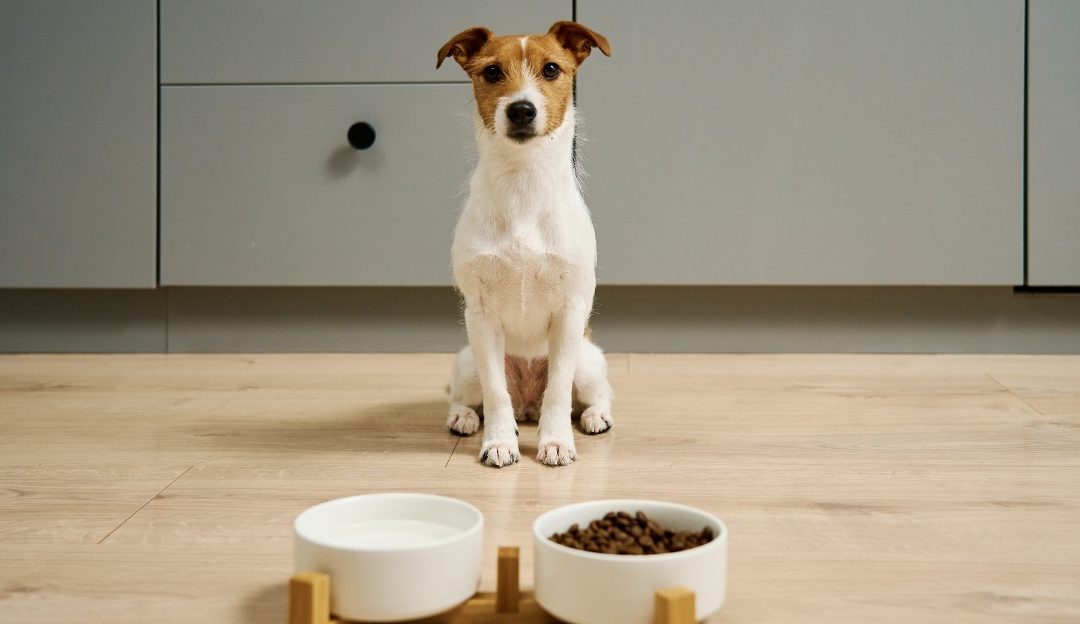
When owners notice that their dog suddenly refuses a meal, panic often follows. Many immediately wonder why won’t my dog eat despite appearing happy, healthy, energetic, and completely normal.
In many cases, however, the answer may be much simpler than people expect. Eating habits are often influenced not only by food itself, but also by routines, expectations, and the relationship that develops around feeding time. Consequently, establishing consistent feeding rituals and clear daily structure can be an important part of creating balance and harmony.
The Problem May Not Be the Food
When a dog turns away from a full bowl, it does not automatically mean there is something wrong with the food. Sometimes the situation reflects a deeper pattern within the relationship and the routines that surround mealtime.
Dogs quickly learn how their actions influence human behavior. If feeding becomes a constant negotiation, some dogs begin experimenting with what works and what gains attention. Therefore, meals are often most successful when owners offer them within a framework of consistency, calmness, and clear expectations.
Natural Appetite Usually Returns
When healthy dogs receive food through a stable and predictable routine, appetite often returns naturally. The instinct to eat is powerful.
Simultaneously, once uncertainty and negotiation disappear, the dog quickly returns to normal eating behavior. Of course, any prolonged loss of appetite, sudden weight loss, vomiting, diarrhea, lethargy, or signs of illness should always be discussed with a veterinarian to rule out medical causes.
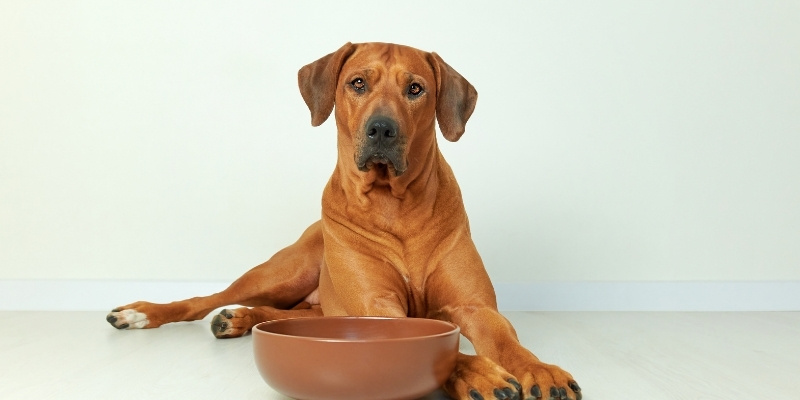
CREATING CONSISTENT DAILY RITUALS AND CLEAR EXPECTATIONS RESTORES NATURAL APPETITE AND INNER CALM.
Daily Rituals Create Stability
Feeding is only one piece of the puzzle. Dogs thrive when daily life follows predictable patterns that include feeding, walking, rest, play, and calm transitions between activities.
Ultimately, when these rituals become part of everyday life, many behavioral challenges begin to resolve themselves naturally. Understanding why a dog refuses food is often less about the bowl itself and more about understanding the relationship, structure, and communication that surround it.
Thank you for reading.
To discover more about how emotional alignment, balanced lifestyle, and authentic energy restore internal balance, read our canine nutrition guidelines.
See you next time.
At Sasha Riess, we look past commercial labels to honor the unique biological blueprint of your companion. True health requires addressing the subtle internal patterns that create lasting vitality and pureloveandharmony. Discover the customized path to your dog’s longevity:Linktree Sasha Riess
👉 Follow our Facebook page and never miss our latest articles, news, and updates.
by Sasha Riess | 10.09.26. | Nutrition
One of nature’s oldest principles remains just as true today as it has always been: you are what you eat. The same applies to our dogs. The quality of the food they consume each day has a profound influence on their health, energy, and overall well-being.
When a diet consists primarily of highly processed, dehydrated dog food, it may provide basic nutrients, but it lacks many characteristics of fresh, minimally processed ingredients. Consequently, relying exclusively on these foods over time affects digestive health and the diversity of the gut microbiome.
How Highly Processed Diets Can Affect the Gut Microbiome
Commercial dry foods are formulated to provide complete nutrition, but manufacturers process them extensively. During digestion, the body breaks down these products differently from fresh ingredients that contain natural moisture and a broader range of bioactive compounds.
The gut microbiome thrives on dietary variety and appropriate nutrients that help support beneficial bacteria. Therefore, when feeds like dehydrated dog food compromise digestive health, the diversity of the microbiome gradually declines. This reduces one of the body’s most important foundations for immune function and overall health.
A Strong Body Begins with a Healthy Gut
A resilient immune system depends on far more than calories alone. It relies on healthy digestion, balanced nutrition, adequate rest, and the body’s ability to adapt to everyday challenges.
Simultaneously, when the gut microbiome stays healthy and diverse, it plays an essential role in digestion, nutrient absorption, and immune regulation. Supporting this internal ecosystem helps prepare the body to respond more effectively to the demands of everyday life.
BRINGING FRESH, NUTRIENT-DENSE FOOD TO YOUR DOG’S BOWL RESTORES VITALITY AND INNER BALANCE.
Bring Life Back to Your Dog’s Bowl
Long-term health begins with thoughtful nutrition. Whenever appropriate, fresh, minimally processed ingredients, gently cooked meals, nourishing bone broth, and foods that naturally support digestive health can become valuable additions to replace strict reliance on dehydrated dog food.
Ultimately, every meal is an opportunity to nourish not only your dog’s body, but also the invisible ecosystem within it. By supporting the gut microbiome, you help build the foundation for lifelong vitality, resilience, and well-being.
Thank you for reading.
To discover more about how emotional alignment, balanced lifestyle, and authentic energy restore internal balance, read our canine nutrition guidelines.
See you next time.
At Sasha Riess, we look past commercial labels to honor the unique biological blueprint of your companion. True health requires addressing the subtle internal patterns that create lasting vitality and pureloveandharmony. Discover the customized path to your dog’s longevity: Linktree Sasha Riess
👉 Follow our Facebook page and never miss our latest articles, news, and updates.