by Sasha Riess | 07.10.26. | Coat Care
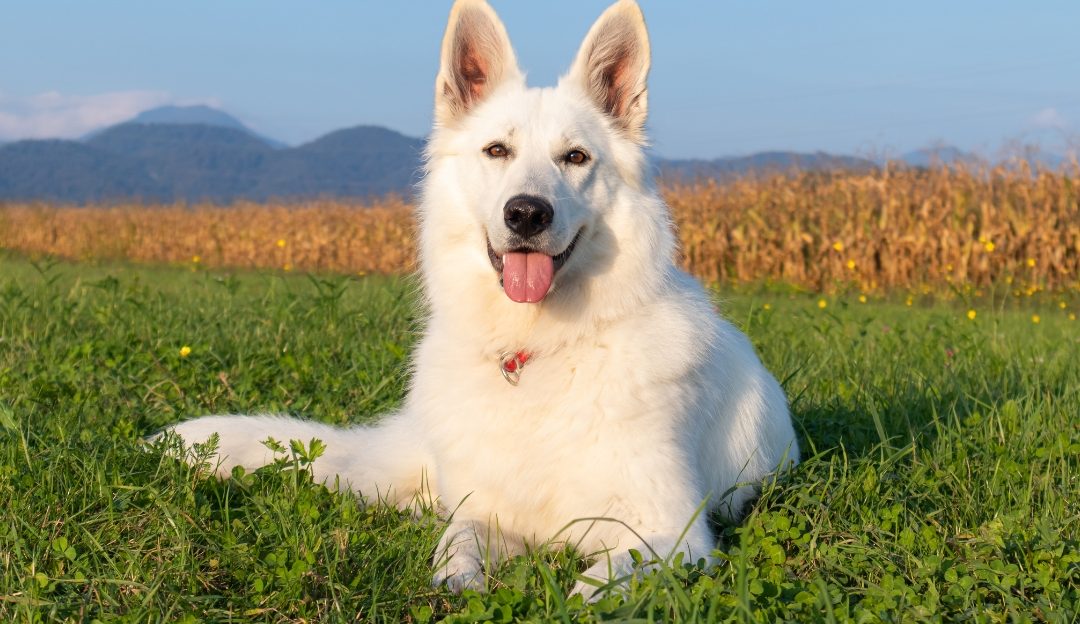
Recently, a dog owner named Dragan contacted me because he was struggling with caring for his pet. While searching the internet, he found claims that the breed is easy to maintain, but that daily brushing is necessary. The White Swiss Shepherd has a dense coat, so owners often wonder why constant brushing is necessary and what equipment should be used.
Our approach to at-home dog grooming is controversial because we recommend that the dog should not be brushed dry at all. Consequently, understanding why white swiss shepherd daily brushing fails requires examining coat biology, shedding mechanics, and proper bathing techniques. Brushing should occur exclusively during bathing and blow-drying.
Why Does the White Swiss Shepherd Shed All Year Round?
The dense undercoat of this breed sheds intensively twice a year, in spring and autumn. The undercoat attaches firmly to the follicles and does not easily fall out on its own. If owners fail to handle the shedding process properly, new hair cannot emerge and remains trapped beneath the surface. This creates the false impression that the dog sheds continuously throughout the year.
Daily brushing was once used because modern undercoat-blowing dryers did not exist. Therefore, using the appropriate water temperature during bathing and physically helping the old hair fall out in the bath fully resolves the issue.
Pain and Anxiety Caused by Dry Brushing
Brushing tangled hair while dry causes an extremely painful experience for any dog. When owners perform dry brushing unprofessionally, the dog develops a strong aversion and begins to run away. Forcing a dog to endure constant pulling leads directly to anxiety and severe mental stress.
Owners should not brush a dog at home outside the bathing process. The solution lies in creating the correct interval between baths so that the coat does not become tangled in the first place. For most double-coated breeds, the ideal interval between baths ranges from seven to ten days.
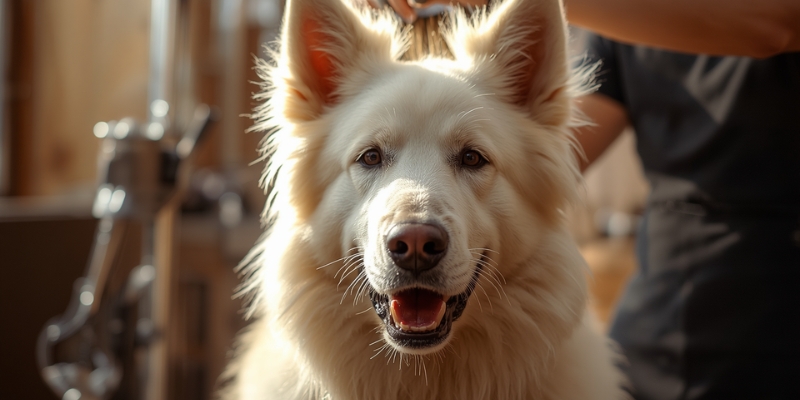
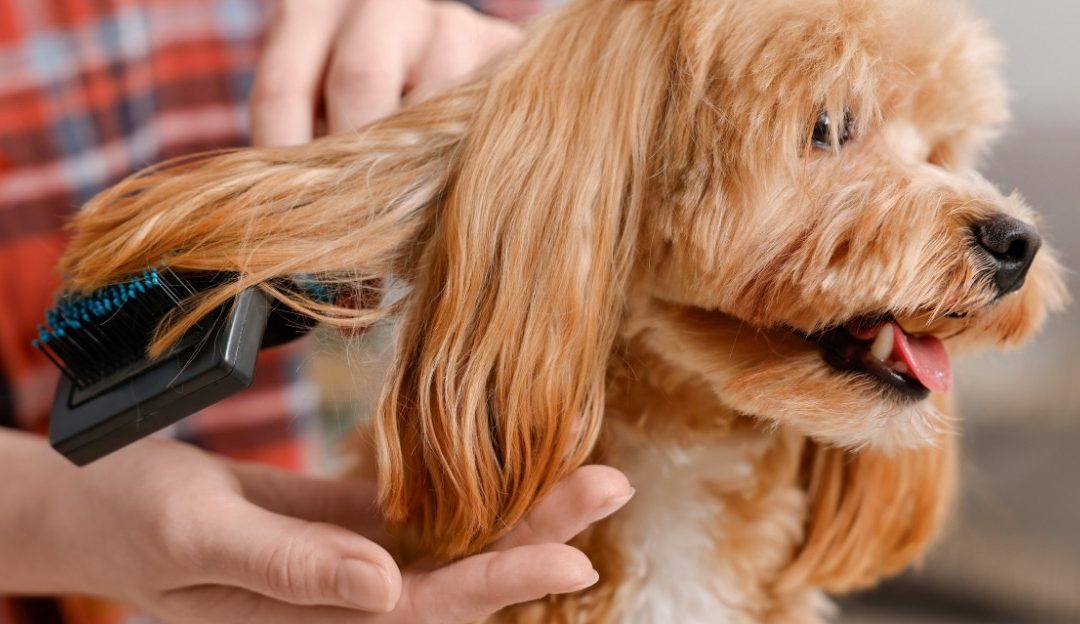
WHEN BLOW-DRYING AND BRUSHING ARE DONE CORRECTLY DURING WASHING, THE DOG EXPERIENCES IT AS PLEASANT PETTING.
Brushing Is Recommended Only During Blow-Drying
Mastering the proper technique for brushing out the coat and handling the dog represents the most critical part of dog grooming. Using a brush makes sense exclusively while you dry the dog with warm air after washing.
Simultaneously, using appropriate dryer strength alongside a suitable brush allows you to remove dead hair without causing any physical pain. When you execute blow-drying correctly, the dog experiences the treatment as pleasant petting and completely enjoys the process. Ultimately, regular bathing maintains skin health and coat elasticity, while dry brushing remains completely unnecessary.
Thank you for reading.
To discover more about how emotional alignment, balanced lifestyle, and authentic energy restore internal balance, read ourcoat care guidelines.
See you next time.
At Sasha Riess, we look past commercial labels to honor the unique biological blueprint of your companion. True health requires addressing the subtle internal patterns that create lasting vitality and pureloveandharmony. Discover the customized path to your dog’s longevity: Linktree Sasha Riess
Comfort bundle prebiotics and probiotic supplement gut health aid your dog’s immune and digestive systems
by Sasha Riess | 16.09.26. | Coat Care
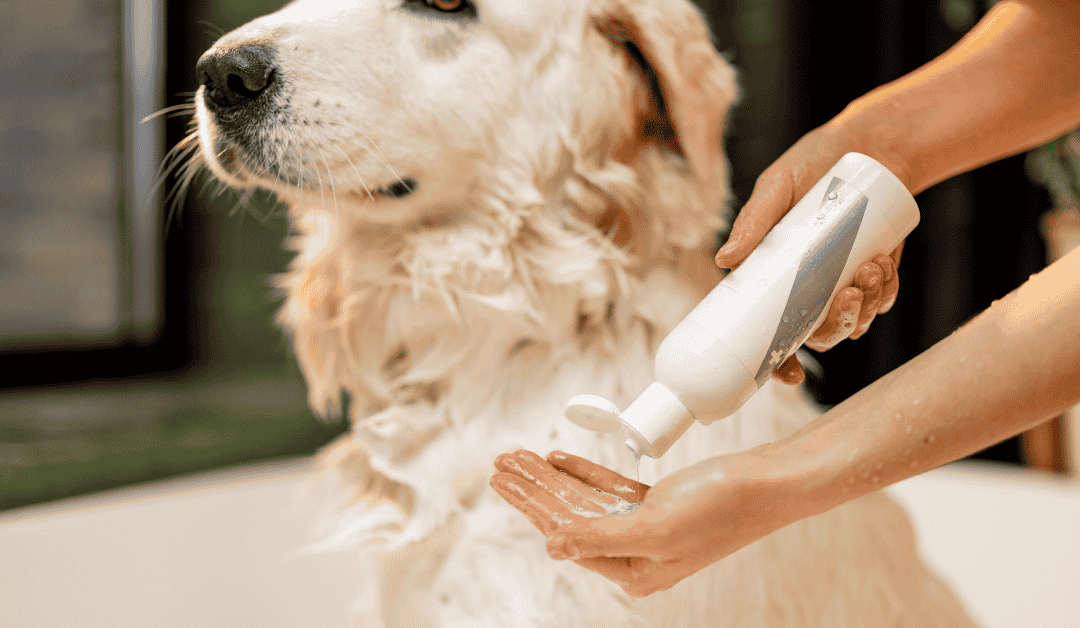
In most cases, the problem isn’t dirt — it’s the lack of conditioner. When owners ask, „why does my dog smell after a bath?“, the answer often lies in how shampoo removes not only dirt but also the skin’s natural oils, known as lanolin. Without restoring that protection, the coat becomes dry, and the body starts producing lanolin again — which can quickly lead to an unpleasant odor.
The Role of Lanolin
A dog’s skin and coat feature a natural protective layer of lanolin — a fatty substance that maintains balance and prevents dryness. Shampoo removes it during washing, and unless you replenish it with a conditioner, the body compensates by secreting even more oil.
Consequently, dogs sometimes start to smell again just a day or two after bathing.
Why Using Conditioner Matters
Conditioner helps:
-
Replenish the natural oils removed during washing
-
Hydrate the skin and coat
-
Prevent dryness and irritation
-
Keep the balance of lanolin production under control
Therefore, conditioners gradually release moisture, allowing the coat to stay soft, hydrated, and fresh for several days. Conditioner restores lanolin and keeps the skin moisturized.
Recommended Bathing Frequency
If you use shampoo and conditioner properly:
Simultaneously, avoid over-bathing, as removing lanolin too frequently can dry out the skin and coat, leading to irritation or dandruff.
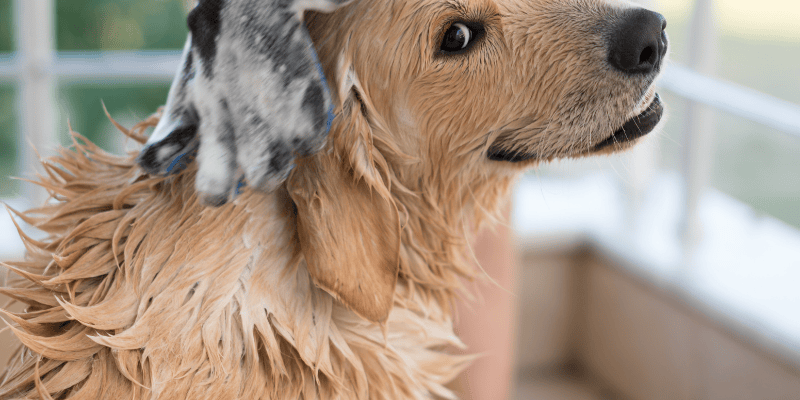
PROPER RINSING AND BALANCED COAT CARE PREVENT DRYNESS AND KEEP CANINE SKIN HEALTHY.
Tips for Lasting Freshness
-
Always rinse shampoo thoroughly before applying conditioner.
-
Use conditioner according to the product instructions.
-
Observe your dog’s skin — if it becomes dry or flaky, reduce bathing frequency.
-
Never use human products on dogs — they do not match the pH balance of canine skin and can damage the natural lanolin barrier.
Conclusion
Ultimately, proper coat care isn’t just about cleanliness — it’s about balance. When you protect the natural oils and support the skin’s hydration, your dog will stay clean, shiny, and smell fresh longer.
Thank you for reading.
To discover more about how emotional alignment, balanced lifestyle, and authentic energy restore internal balance, read our canine coat care guidelines.
See you next time.
At Sasha Riess, we look past commercial labels to honor the unique biological blueprint of your companion. True health requires addressing the subtle internal patterns that create lasting vitality and pureloveandharmony. Discover the customized path to your dog’s longevity: Linktree Sasha Riess
👉 Follow our Facebook page and never miss our latest articles, news, and updates.
by Sasha Riess | 17.08.26. | Coat Care
When we step into everyday life with our four-legged companions, we often forget the deeper dimension of the relationship we share with them. Too often, people view caring for their dogs as nothing more than a series of routine tasks that simply need completion. Yet, consciously spending time with our best friend creates, in reality, a truly magical journey for the soul. Consequently, it often makes me wonder whether the time I spend with my dog can make me a kinder, wiser, and more compassionate human being. Does that warm greeting at the door every single day carry a deeper purpose? Is there something far greater hidden within those simple moments of connection?
Do We Really Need Thirty Minutes with a Brush in Our Hands?
When life becomes busy and our schedules overflow with endless obligations, perhaps we should ask ourselves one honest question. Do I really need to become more polished and perfect than I already am today? And do I truly have to give up those precious thirty minutes of free time? The answer is surprisingly simple.
Consciously brushing your dog transforms love into something deeper, gentler, and infinitely more beautiful. Therefore, practicing conscious brushing turns a simple act of physical touch and focused attention into an unbreakable bond between a person and the animal they love.
How Much Silence and Joy Exist Within a Wagging Tail?
When you become completely present with your dog, the world around you suddenly stops rushing. Simultaneously, within every gentle stroke of the brush lives an extraordinary sense of peace and quiet joy. Your dog responds to your attention with every happy wag of the tail, gently leading you into a deeper state of awareness.
In many ways, dogs take us by the hand and guide us toward a place where painful memories and daily worries gradually fade away. Through conscious brushing and thoughtful grooming, they offer us one of life’s most beautiful promises: that we never truly have to feel alone.

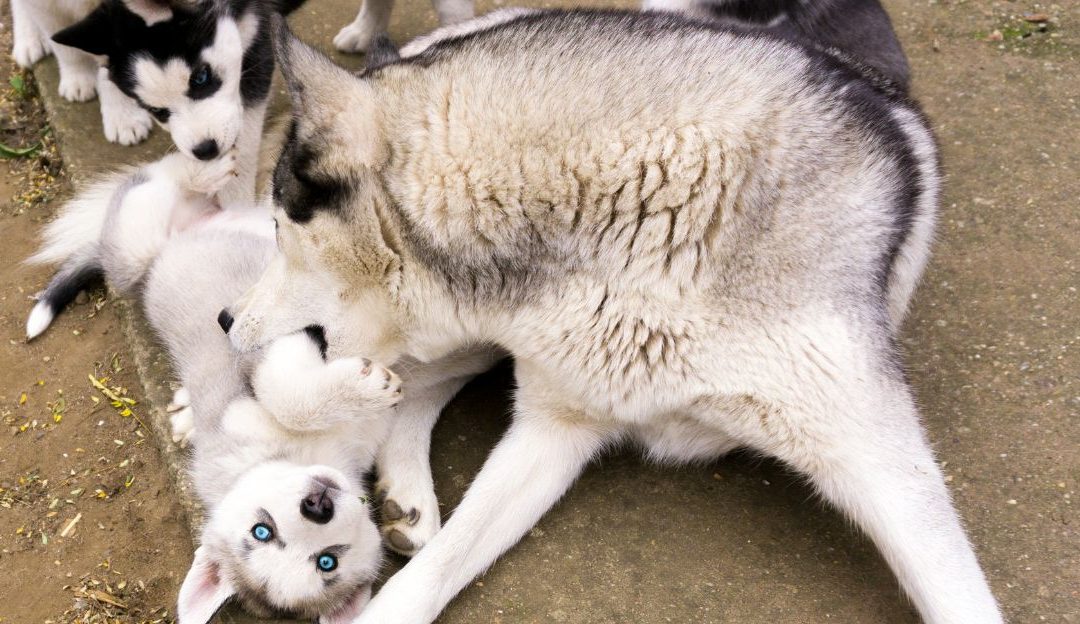
THE QUIET JOY AND UNBREAKABLE BOND CREATED THROUGH MINDFUL PRESENCE.
Love Them Fully and Never Punish Them
Perhaps it is time to change the way we think about grooming altogether. Instead of treating coat care as another heavy obligation, let every session become a mindful ritual of gratitude. Consequently, rather than becoming frustrated by loose hair or the time it requires, choose to love your dog wholeheartedly.
Do not scold them. Do not punish them. Our companions represent our greatest teachers of presence and mindful living. Ultimately, the brush in your hand functions as far more than a basic grooming tool; conscious brushing creates a direct bridge connecting two hearts. The next time you sit beside your dog, do so with genuine love, and allow yourself to enjoy every single second of the quiet magic you create together.
Thank you for reading.
To discover more about how emotional alignment, balanced lifestyle, and authentic energy restore internal balance, read our canine coat care guidelines.
.
At Sasha Riess, we look past commercial labels to honor the unique biological blueprint of your companion. True health requires addressing the subtle internal patterns that create lasting vitality and pureloveandharmony. Discover the customized path to your dog’s longevity: Linktree Sasha Riess
👉 Follow our Facebook pageand never miss our latest articles, news, and updates.
by Sasha Riess | 31.07.26. | Coat Care
Postpartum hair loss in dogs during the nursing period represents a common occurrence that deeply concerns many owners. If you notice thinning coat around the ears, you must first determine exactly where the shedding occurs. All dogs naturally possess slightly thinner hair along the line extending from the eyebrows toward the ears. However, when noticeable thinning or bald areas appear directly on or around the ears, recent pregnancy and nursing represent important factors to consider. Careful observation and a comprehensive approach help determine whether this coat loss remains temporary or whether additional support becomes necessary.
The Enormous Demands of Pregnancy and Lactation
Pregnancy and raising a litter place tremendous physical demands on a mother’s body, especially in breeds that frequently require additional reproductive support.
Important questions include:
Consequently, the answers often provide valuable clues. In many cases, increased shedding and hair loss in dogs after birth reflect the significant physical demands placed on the mother’s body. First, she must support the biological development of the puppies throughout pregnancy. Immediately afterward comes lactation, a period during which the body continuously produces milk to nourish the growing litter.
Nutrition, Supplementation, and Recovery
When puppies nurse frequently, the mother’s body draws heavily upon its own nutritional reserves. Therefore, protein, vitamins, minerals, and energy constantly flow toward milk production. As a result, coat quality may decline, shedding may increase, and the skin and coat may temporarily lose their usual vitality.
For many females, this represents a normal physiological response if nutritional intake does not fully compensate for the heavy demands of motherhood. Simultaneously, a carefully balanced diet and appropriate nutritional support help replenish the resources that pregnancy and lactation depleted.
Supporting recovery not only benefits the mother’s coat and overall wellbeing but also helps ensure that the puppies continue to receive optimal nourishment during their development. Ultimately, with proper care, the coat gradually returns to its normal condition as the body recovers and hormonal balance restores completely.
To discover more about how emotional alignment, balanced lifestyle, and authentic energy restore internal balance, read our canine coat care guidelines.
At Sasha Riess, we look past commercial labels to honor the unique biological blueprint of your companion. True health requires addressing the subtle internal patterns that create lasting vitality and pureloveandharmony. Discover the customized path to your dog’s longevity: Linktree Sasha Riess
👉 Follow our Facebook page and never miss our latest articles, news, and updates.
by Sasha Riess | 22.07.26. | Coat Care
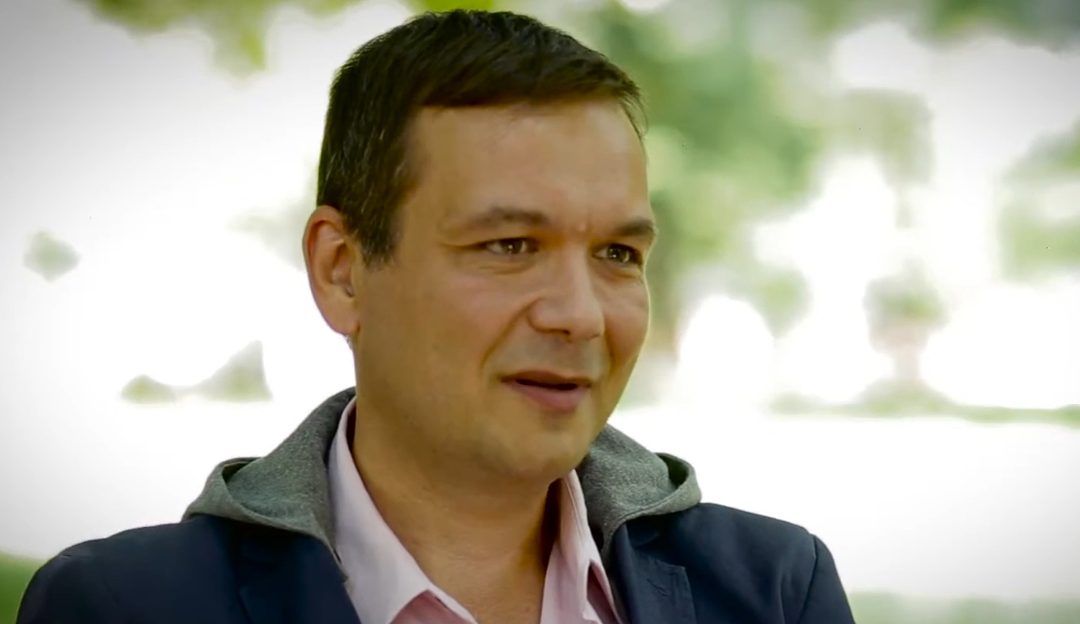
This text represents a transcript of Sasha’s interview recorded seven years ago. What was then a turning point after a quarter century of work has today become a testimony to consistency, endurance, and a journey that has lasted for more than three decades.
Consequently, spiritual freedom in work and the true meaning of our profession are rarely discovered at the very beginning. Instead, they arrive as the ultimate crown of a career.
When I look back on 25 years in this profession, I realize that the definition of success and happiness changed on every level—professional, emotional, and spiritual. There was a time when it truly mattered to me that success received confirmation from others.
Today, however, when the inner being feels completely fulfilled, awareness of my own path brings a deep peace that no external recognition could ever replace.
From Paper Scissors to Mastery
Everything began in the 1990s. I vividly remember returning from the academy in Budapest in 1991. I arrived home on Sunday, and by Monday I already groomed my first dog, a Kerry Blue Terrier, using my mother’s paper scissors. Behind that first step stood years of learning, effort, and discipline under the strict guidance of my teacher. Therefore, what once felt like harshness, I now recognize as a gift and a strength that shaped me completely. That education gave me a level of quality others immediately recognized, leaving an unforgettable mark on a grooming scene that only began to emerge in Serbia simultaneously.
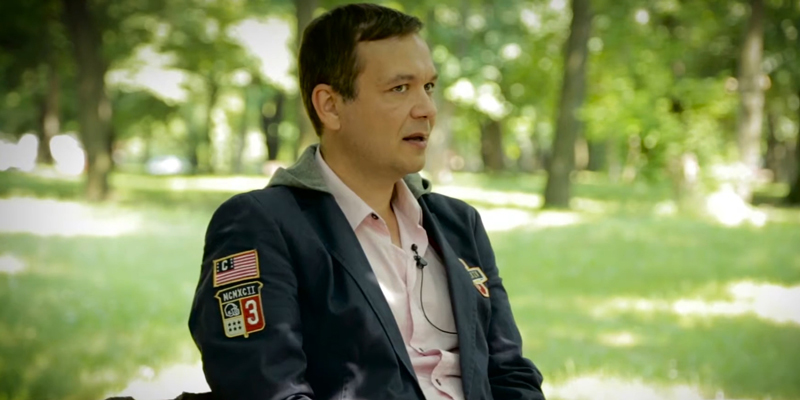
Spiritual freedom in work begins the moment we accept the whole picture of our life, with all of its shadows and light.
The Path of Doubt and Spiritual Freedom in Work
To walk this path meant making a firm decision: to remain ready for risk and constant learning. For a full twenty-five years, I carried a hidden doubt within me: is this truly my path? While animals attracted me with their nobility and unconditional companionship, inside me there also existed a deep love for opera music.
As long as a person doubts, they never remain one hundred percent present in the place life brought them. That is precisely why spiritual freedom in work remains completely unreachable. There were great professional falls, including moments when I literally covered my face with my hands for two entire days.
Yet the turning point and inner peace arrived the moment I managed to reconcile my past with my current results. The moment I transformed guilt and grief over unrealized dreams into pure gratitude for what I have and live today. I realized that all those failures and doubts did not constitute sacrifices, but rather necessary pieces of the puzzle. Sometimes in life we try to force the final puzzle piece into a place where it does not belong, without understanding that the picture we build has its own perfect flow. Ultimately, spiritual freedom in work begins the moment we accept the whole picture of our life, with all of its shadows and all of its light.
To discover more about how emotional alignment, balanced lifestyle, and authentic energy restore internal balance, read our canine coat care guidelines.
At Sasha Riess, we look past commercial labels to honor the unique biological blueprint of your companion. True health requires addressing the subtle internal patterns that create lasting vitality and pureloveandharmony. Discover the customized path to your dog’s longevity: Linktree Sasha Riess
👉 Follow our Facebook page and never miss our latest articles, news, and updates.
by Sasha Riess | 15.07.26. | Coat Care
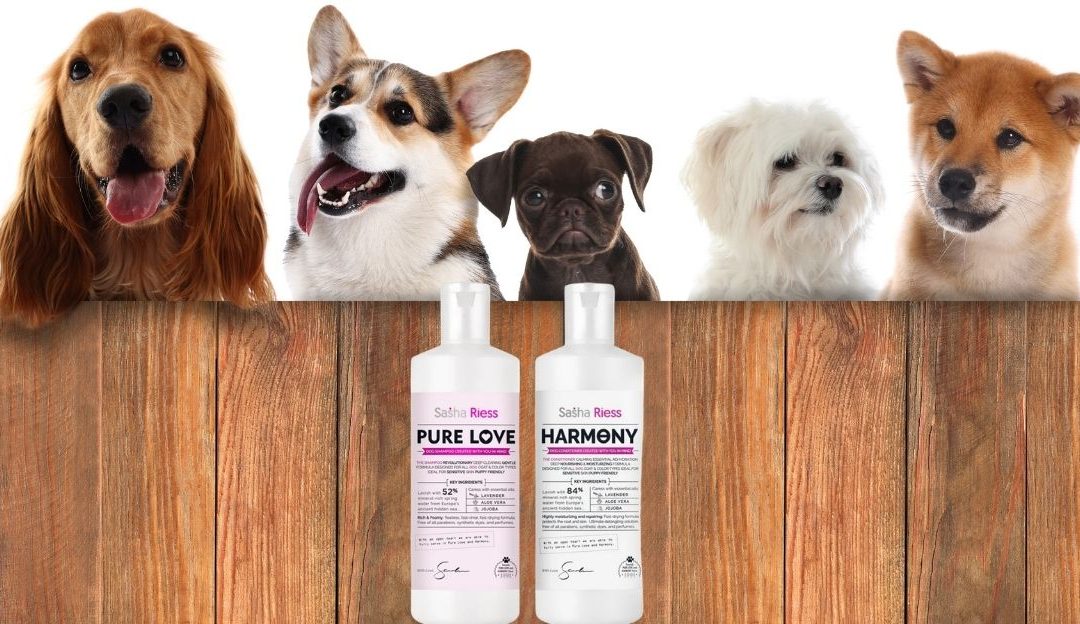
How We Complicated Everything and Lost the Dog in the Process In the world of dogs, at first glance, everything appears as endless diversity. Different breeds, different coat textures, different colors, lengths, and densities. One dog has silky, flowing hair, another has a dense and curly structure, a third has a harsh and wiry coat.
Everything seems to require completely different approaches, different grooming methods, and different cosmetics. It is precisely on this perception that the entire modern dog grooming industry has been built, becoming more complex, more fragmented, and increasingly difficult to understand, both for professionals and dog owners.
But what if this diversity is not what we truly see? What if the difference exists only on the surface, while the essence remains the same?
Skin Biology: The Truth the Grooming Industry Does Not Tell You
When we begin to observe a dog’s coat not through the lens of aesthetics, but through the lens of biology and function, the picture changes. Beneath all these variations lies the same system. Skin as the foundation, the follicle as the production unit, keratin as the structure, sebum as the protective mechanism.
Whether we are looking at a Yorkshire Terrier or a Poodle, a Maltese or a Schnauzer, the fundamental principles remain the same. The difference is not in how the system functions, but in how it is expressed externally.
In other words, what appears different on the outside functions according to the same laws at its core. This understanding does not only offer a new perspective, it shifts the very foundation upon which the industry has been built.
For decades, we have been taught that grooming must be fragmented. That every coat type requires a specific product, a specific formula, and a specific treatment. The more variations, the more products. The more products, the more complexity.
In that process, groomers have become dependent on a wide range of formulations to achieve consistent results, while dog owners have remained in constant confusion about what to choose.
What is rarely questioned is the origin of this approach.
If we look deeper, it becomes clear that most cosmetic concepts for dogs did not arise from an understanding of canine biology, but were borrowed from human cosmetology. And human cosmetology, to a large extent, has not been shaped solely by science, but by strong market forces.
Product development followed the rise of consumerism. Every difference in hair structure became the basis for a new product category, every problem an opportunity for a new formulation, every nuance a reason for another choice.
Why Modern Dog Grooming Became an Inheritance of Human Cosmetics
In this way, not only cosmetics developed, but also the perception that complexity is necessary. This model was almost imperceptibly transferred into the world of dogs.
The coat became the equivalent of human hair, and differences in its structure began to be interpreted as entirely different systems, rather than variations of the same biological process.
Formulas and approaches developed for humans were transferred without critical evaluation, ignoring the key differences in anatomy, function, and growth cycles between canine coats and human hair.
Thus, a system emerged in which complexity is no longer a reflection of real need, but the inheritance of a different way of thinking.
When viewed from a biological perspective, this approach reveals inconsistency. Instead of supporting the natural processes of skin and coat, it often burdens them. Instead of simplifying understanding, it obscures it. Instead of leading to stability, it often creates dependency on constant correction.
At that point, a different question becomes inevitable. Not what more we can add, but what we can understand.
When the focus shifts from external appearance to internal function, dog grooming ceases to be a sequence of technical steps and becomes a process of working with a living system.
The skin is no longer just a surface, but an active regulator. The follicle is no longer just a site of growth, but a dynamic unit that responds to conditions. The coat is no longer just material to be shaped, but the result of complex biological interactions.
In this context, cosmetics take on a completely different role. They are no longer tools for masking or short term correction, but instruments that support function.
Their purpose is not to imitate results, but to allow them to appear naturally. Instead of adapting to every external variation, they align with the fundamental needs of the system.
This does not mean that differences between dogs do not exist. They do, but they are not primary. They are the way in which the same system expresses itself through different forms.
When we work at the level of cause, these differences do not disappear, they come into balance.
This approach does not simplify dog grooming in a superficial way. On the contrary, it requires deeper understanding. But at the same time, it removes unnecessary complexity that has burdened the practice for years.
In this context, the groomer is no longer someone who selects products based on coat category, but an expert who understands the state of the system.
Someone who recognizes when to cleanse, when to stabilize, when to support. Someone who does not react to consequences, but works with causes.
For dog owners, this brings clarity where confusion once existed. Instead of endless product choices and uncertainty, the possibility of understanding emerges.
The focus shifts from the question of what to buy to what is truly needed.
When the system follows natural processes, diversity comes into balance.
And it is precisely in this shift that space for a different approach to cosmetics is created.
There are formulations that were not created to occupy another position on the market, but to answer an essential question. How to support the skin and coat as a unified system, regardless of external variations.
How to create stability instead of dependency. How to enable long term results instead of short term effects.
Such products do not rely on complexity to prove their value. Their strength is not in the number of variations, but in precision.
They do not try to impress, but to function. That is why they often do not appear spectacular at first glance. They do not promise miracles, they do not offer endless options, they do not create the feeling that you cannot move forward without them.
And it is precisely in that simplicity that their essence lies.
Because when something follows natural processes, it does not need to be complicated. It only needs to be aligned.
This understanding does not mean the end of diversity, but the end of misinterpreting diversity.
Everything still appears different. Different structures, different forms, different expressions. But now we know that beneath it all there is order.
And once we see that order, the way we perceive dog grooming changes forever.
We no longer look at the surface as the starting point. We no longer make decisions based on visual impression. We begin to understand the processes behind it.
And from that understanding comes a new responsibility. Because once we know the system is the same, we no longer have the excuse to act randomly.
At that moment, dog grooming stops being a routine and becomes a conscious practice. A practice that respects biology, understands function, and uses cosmetics as support, not as a substitute for understanding.
And perhaps that is the greatest shift. Not in the products. Not in the techniques. But in the way we see.
Because when perception changes, everything changes.
To discover more about how emotional alignment, balanced lifestyle, and authentic energy restore internal balance, read our canine coat care guidelines.
See you next time.
At Sasha Riess, we look past commercial labels to honor the unique biological blueprint of your companion. True health requires addressing the subtle internal patterns that create lasting vitality and pureloveandharmony. Discover the customized path to your dog’s longevity: Linktree Sasha Riess
👉 Follow our Facebook page and never miss our latest articles, news, and updates.