
In everyday life with dogs, play is often taken for granted as something always good, something that releases energy, brings joy, and strengthens the bond. But why is play not just play?
The Primal Nature of Play: The Endless Hunt
To understand the power of play, we must go back to its origin. The dog is a descendant of the wolf, a hunter whose survival depended on reenacting hunting behavior. For a dog, the motion of a thrown ball carries the same signal as prey.
In nature, this ritual always has a clear end. When the prey escapes or is caught, the cycle ends. In domestic life, when the prey keeps returning, the cycle never closes. The ball comes back again and again, and the instinct remains open. It is like a wound that never heals.

The Genetics of Evil: A Myth That Destroys Both Humans and Dogs
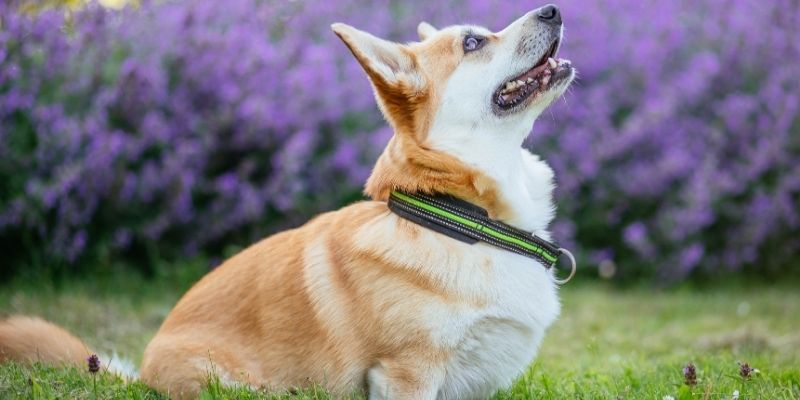
When constant stimulation floods the dog’s nervous system — instead of play, unrest arises.
Cortisol and the Cycle of Excitement
Modern science shows that excessive stimulation leads to chronic cortisol release—the stress hormone. A dog that chases balls every day falls into a loop:
-
The more we activate the hunting instinct, the stronger the excitement.
-
The harder it is to calm down, the more the dog seeks new stimulation.
-
This is not simple joy; it is a form of addiction similar to the human need for adrenaline.
Play as a Ritual, Not a Habit
In the Harmony Handbook, we teach that rituals create rhythm between tension and release. For play to serve as a true ritual, it must be controlled. A simple rule: any game that activates the hunting instinct (balls, frisbee, tugging) should be rare and structured—perhaps once a week, not daily.
Calm Play: The Power of Touch and Presence
If we reduce play solely to chasing, we miss its deeper meaning. Calm play—such as gentle touch, chest scratching, or soft brushing—is often what the dog values most. During these moments, cortisol decreases and oxytocin, the hormone of connection and safety, increases.
Consequences of Misguided Play
Many owners do not connect behavioral problems with the way they play. Pulling on the leash, barking, or even urinating in the house are often symptoms of an overwhelmed nervous system. When the body is stuck in „fight or flight,“ the dog cannot regulate basic needs.
Telepathic Connection with Your Dog: Is It Possible and How to Recognize It?

Calm rituals and touch — the most powerful way to reduce stress and strengthen the bond with your dog.
Practical Advice for Conscious Play
-
Structured hunting play once weekly: Keep it short (3-5 minutes).
-
Remove constant reminders of prey: Do not leave balls within the dog’s permanent reach.
-
Daily calm rituals: Prioritize touch, grooming, and quiet rest.
True harmony does not come from constant pursuit of excitement. It comes from balance, awareness, and the tenderness through which relationships are built.
At Integrative and Holistic Grooming Education, we teach that peace is the ultimate goal. If your dog is trapped in a cycle of high arousal, it’s time to return to the basics of presence. Explore the pureloveandharmony approach:Linktree Sasha Riess