by Sasha Riess | 12.06.26. | Emotions
Unlived wounds that we keep silent about become quiet alarms in our homes, and this is why dogs are the first to recognize them. What we often mistake for calmness is, in reality, trauma that is afraid of itself. If we do nothing, we will leave our children to face the consequences of our silence and our pretense that everything was fine.
The Illusion of Stability and the Denial of Pain
In my previous column, I wrote about how, in our attempt to protect ourselves from overwhelming pain, we left dogs to be the first to show the consequences of our silence. A comment recently appeared: “There was no panic or chaos. The dog had its routine.”
This sentence is a perfect example of how unlived wounds are created through denial. When collective trauma strikes so deeply, the easiest way to survive is to say that nothing happened. But this denial is not proof of stability; it is a symptom of a wound. No one wants to admit the world stopped, because that would mean admitting what that stoppage did to our internal systems.
A Dangerous Inheritance for Children and Dogs
Adults find ways to survive even when life collapses, but children and dogs do not have the mechanisms to store trauma in internal drawers. They will live out what we do not dare to acknowledge.
The sentence “The dog had a routine” is actually a sentence of fear. It speaks about a person who needed that routine as an anchor to endure an unbearable period. If we continue to close our eyes to who we became during the pandemic, we only close another circle of silence. Silence creates generations that carry the weight of their parents without knowing why.
Emotional Imprints: When Dogs Speak for Us
Dogs are already showing us the results of these unlived wounds. We see it in:
-
Severe separation anxiety
-
Increased reactivity
-
Panic when humans return to work
-
Inability to be separated for even five minutes
These are not „problem dogs.“ These are emotional imprints of human pain that was never fully processed. They speak through their behavior because we chose to remain silent.
The sentence “The dog had a routine” is often not proof of stability, but the deepest scream of fear hidden behind an appearance of normalcy.
Acknowledgment as the Path to Healing
We must not leave our children and dogs an inheritance of silence. The price of silence always comes; it just needs time. It is time to stop defending ourselves with „there was no panic.“
Acknowledging that it was hard and painful is not weakness. Acknowledgment is the only way to ensure that we do not pass our unlived wounds to our children and our dogs as an invisible inheritance. Truth, not silence, is what leads to stability.
At Sasha Riess, we understand that a dog’s peace is tied to the human’s honesty. Facing our unlived wounds is the only way to protect our pets and children, leading us all toward pureloveandharmony. Discover more about our holistic approach: Linktree Sasha Riess

The Dog Groomer’s Dilemma: Journey Trough Burnout, Belonging and Becoming
by Sasha Riess | 08.06.26. | Emotions
Many of us believe we are stable because we have maintained our daily habits, but very often that routine is nothing more than the pain trap we fall into in order to hide our unprocessed wounds. In my previous column, I spoke about how, in an attempt to protect ourselves from overwhelming pain, we allowed dogs to be the first to show the consequences of our silence.
Denial: How the Pain Trap Is Formed Through Unprocessed Wounds
A recent comment stated: “There was no panic or chaos. The dog had its routine.” This sentence is a perfect example of the very truth I was writing about. It is born when the memory of pain is too heavy to open. When social trauma strikes so deeply that the easiest way to survive is to say that nothing happened.
But this kind of denial is not proof of stability. It is proof of a wound. The pain trap is a survival mechanism where we minimize trauma because we cannot yet bear to confront it.
The Most Dangerous Pattern of Collective Psychology
The normalization of suppression is dangerous—not just for adults, but for children and dogs. They do not have mechanisms to lock everything away in inner drawers. They will live what we do not dare to admit. Dogs are already living the symptoms of silence; children will inherit them if we continue on this path.
[Image representing the contrast between outward routine and inner emotional weight]
Symptoms of Silence: What Dogs Tell Us About Our Pain
When we say „the dog had its routine,“ we are often speaking about our own need to maintain the illusion of normality. But dogs have already shown us what happens when emotions remain without a voice. We see it in:
These are not „problem dogs.“ These are emotional imprints of human pain that was never fully processed within the pain trap.
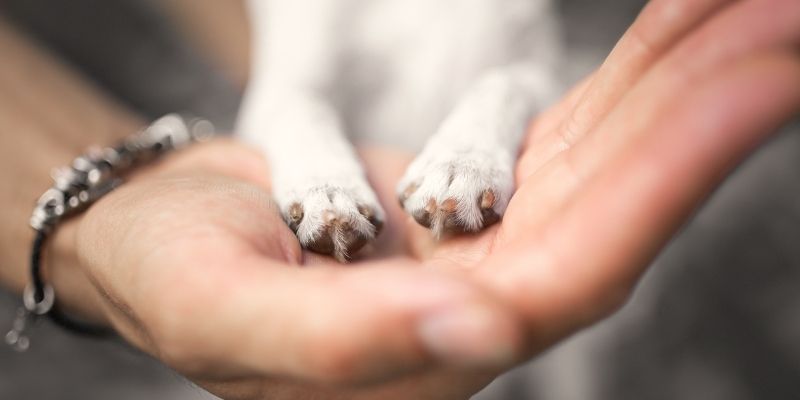
Our children and pets do not know how to hide what we are silent about.
Acknowledgment as the Path to Healing
If we do not speak about what happened, those who should not will speak instead: our children and our dogs. They speak through behavior, through the body, and through restlessness. We must not leave them an inheritance of a burden that belongs to us.
Acknowledging that it was hard and painful is not weakness. It is the only way to ensure we do not pass our own trauma on as an invisible inheritance. The pain trap only loses its power when we find the courage to speak the truth.
At Sasha Riess, we understand that a dog’s behavior is often a reflection of the human’s inner state. Breaking free from the pain trap is essential to achieving true pureloveandharmony. Start your journey of acknowledgment here: Linktree Sasha Riess
by Sasha Riess | 31.05.26. | Behaviour
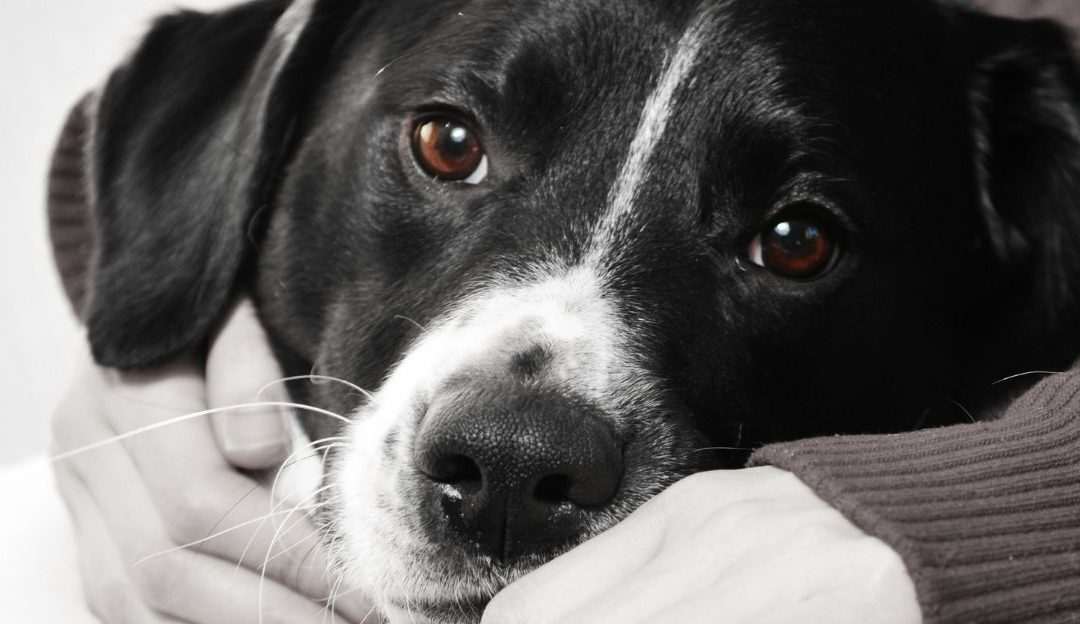
The dog and the present moment show us how life truly unfolds here and now. A dog is not here to be “fixed,” nor to correct our behavior. It connects us with ourselves and with the world around us. Within that lies its strength and its role in our lives.
A Connection That Cannot Be Pretended
When you work with a dog, you are not learning what you should do, but what you are doing right now that leads the dog to behave exactly as it does. A dog responds to your presence, tension, absence, focus, or distraction. It does not read your promises, plans, or intentions. It reads you. Now.
The Dog and the Present Moment: The Body as the Only Voice
A dog does not think about how it looks or what others might say. It lives in the dog and the present moment, within a body that feels pain, discomfort, tension, or relief. Topics such as ear cropping are questions of projection—moments when a human stops listening to the dog and instead listens to their own need for control.
On the other hand, when we speak about health, the dog shows the way. Its body clearly signals when support is needed, especially in states of stress or joint strain. This is why the role of vitamin C in dogs is vital for maintaining connective tissue and immunity.
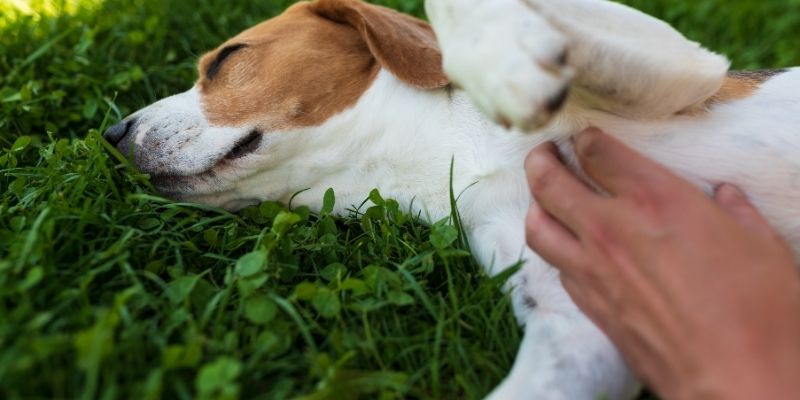
A dog brings us back to where life truly exists – the present moment.
Self-Discipline Through the Dog and the Present Moment
Through simple actions like walking or guiding on a leash, self-discipline develops. The dog and the present moment bring you back to your body, your breath, and your step. If you are absent, the dog shows it; if you are present, the dog settles. This is not training—it is a mirror.
Why Our Dogs Teach Us to Live in the Now
A dog does not try to change the world. It simply is. Through the dog, we learn to stop projecting fear and begin living where life truly happens: Here. Now.
At Sasha Riess, we honor the natural state of being. Embracing the dog and the present moment allows us to move away from control and toward pureloveandharmony. Connect with your dog’s true nature: Linktree Sasha Riess

by Sasha Riess | 26.05.26. | Nutrition
There is a lie that quietly slips into a person’s life, almost unnoticed. The lie is that the dog food industry exists because someone truly cares about dogs. Owners invest enormous sums in food and supplements, ready to pay more than they would for themselves. In that emotion, the industry found the perfect gold mine. Where emotion exists, profit follows.
Modern Alchemy: How the Industry Is Created
The dog food industry is not a separate entity born out of care. To a large extent, it is a byproduct processing industry—managing what remains after the human food and fashion industries are finished. In the industrial chain, nothing is thrown away. Skin, cartilage, and tissues that humans won’t eat simply change their label.
This is where meat meal and bone meal are created. These powders are revived with artificial ingredients and sold as the pinnacle of health. The industry has built a system in which a byproduct is marketed as luxury.
Rawhide: Chemically Processed Surplus
If one product exposes the dog food industry brutally, it is the rawhide bone. Rawhide is not natural; it is a surplus of the fashion industry. What does not become a bag or a shoe is bleached, reshaped, and sold as a treat. Imagine giving chemically processed leather to a child—you wouldn’t. But to a dog? They have no choice. The choice belongs only to us.
Marketing Instead of Ingredients
Today’s industry doesn’t sell ingredients; it sells a story of the „primal wolf.“ Marketing sells the owner’s identity and plays on the guilt of not being „good enough.“ This is why dogs have never been more loved, yet never sicker, facing an explosion of allergies and digestive disorders.
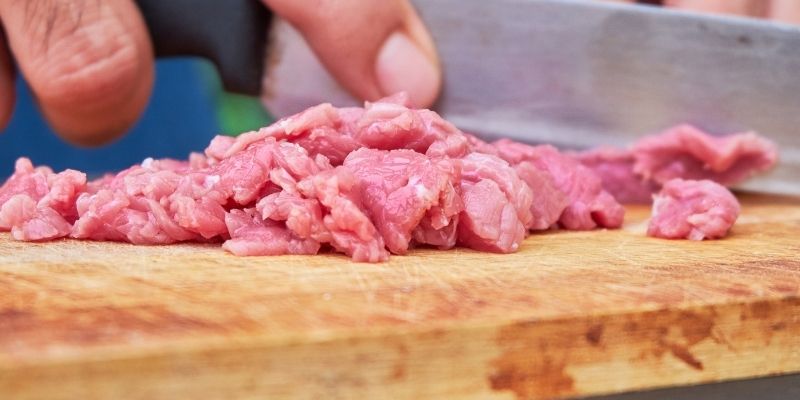
The only place where you control the nutritional chain is your kitchen.
Returning to the Kitchen: The Only True Responsibility
No matter how radical it sounds, the only place where the nutritional chain remains transparent is your kitchen. Cooking for your dog isn’t paranoia; it’s love that understands responsibility. When you cook, you become the filter and the protection that the dog food industry does not provide.
It is difficult for many to admit they were misled by a label. But next time, I will write about how to cook for your dog properly and professionally, so your dog can finally return to its true self.
At Sasha Riess, we believe that transparency is the first step toward health. Looking past the illusions of the dog food industry is essential for pureloveandharmony. Take control of what goes into your dog’s bowl: Linktree Sasha Riess

by Sasha Riess | 25.05.26. | Behaviour
Caring for a dog is not the same as buying a toy. Dogs are living beings with emotions, needs, and awareness. If you want to know how to properly care for a dog, you must first be fulfilled and present in its life.
A Happy Owner Equals a Happy Dog
You cannot care for a dog properly if you neglect yourself. Just as a parent does not need to be a perfect mother, but a happy one, a dog owner must be balanced and at peace in order to guide the dog through life. Your emotional state is the foundation of your dog’s stability.
The Relationship Between Dogs and Children
Dogs and children share an exceptionally strong bond, influencing each other’s emotional state. Healthy communication and attentive presence are essential for building trust and a sense of security. Part of knowing how to properly care for a dog in a family setting is ensuring that these interactions are guided by respect and presence.
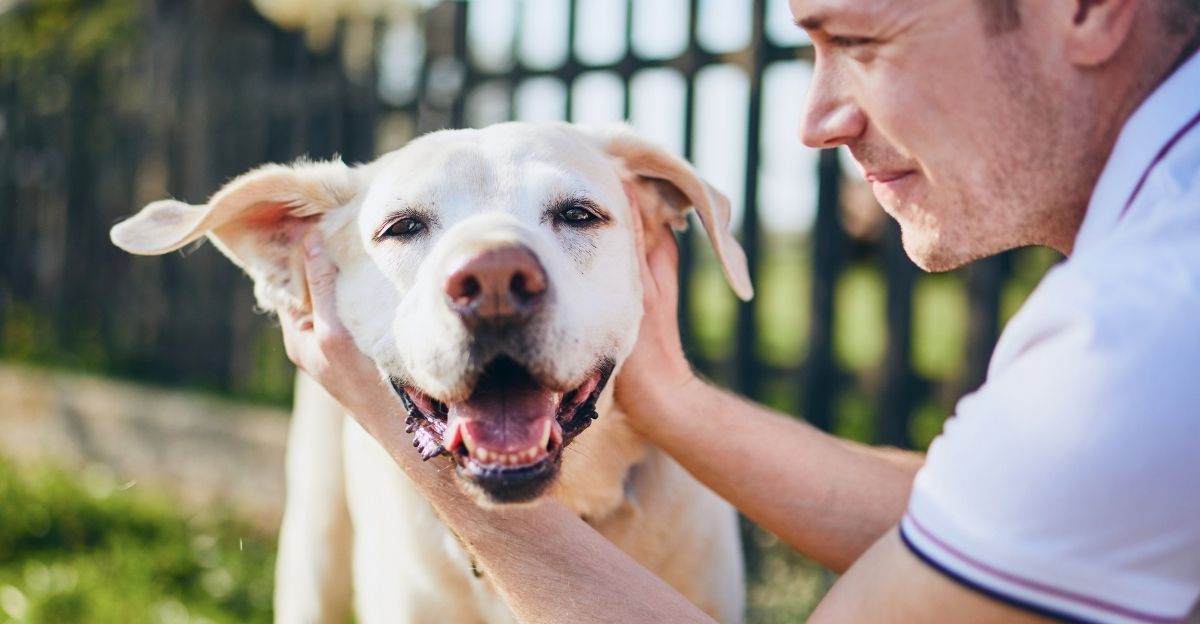
Caring for a dog requires responsibility and dedication.
Dedication to One Dog
It is more difficult to provide the same level of attention and love to two or more dogs than to just one. Having a dog requires deep commitment, time, and energy. A dog is not a toy, but a living being that deserves your full attention and a consistent place in your life.
At Sasha Riess, we believe that leadership begins with self-care. Learning how to properly care for a dog starts with finding your own balance so you can lead with pureloveandharmony. Discover the path to a deeper connection: Linktree Sasha Riess
The Dog Groomer’s Dilemma: Journey Trough Burnout, Belonging and Becoming