
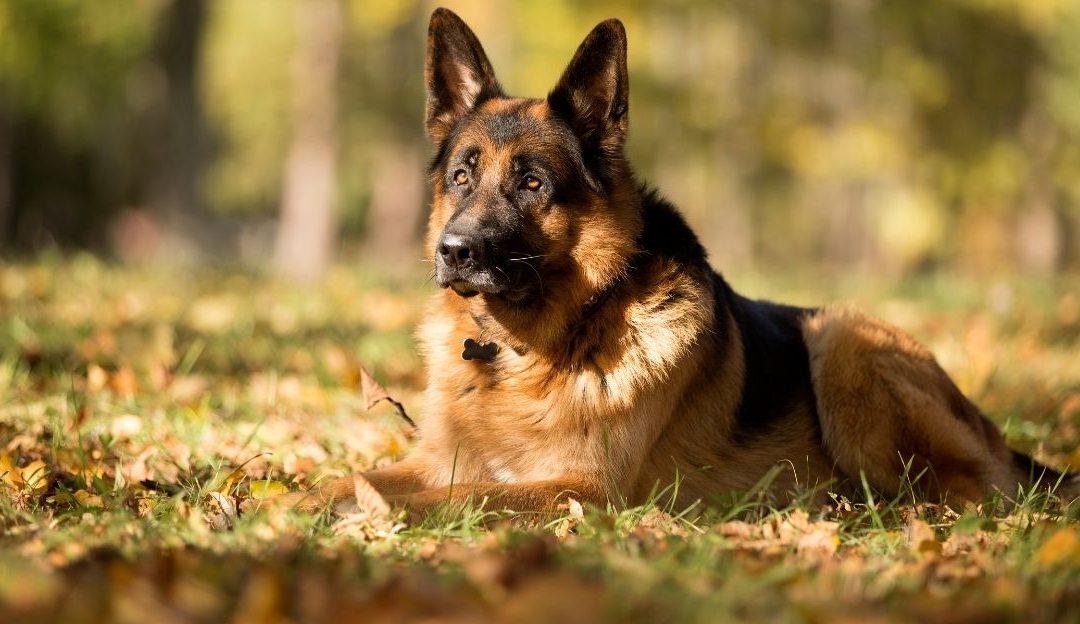
A man named Marko, who recently became the owner of a young German Shepherd, sent me a question about a health issue known as hip dysplasia, or simply HD. As he explained, he had read extensively about the breed in order to understand it better, and learned that this hip problem sometimes occurs in German Shepherds, as well as in large breeds in general. Although the issue is usually genetic, it can also be encouraged by inadequate living conditions and nutrition, so Marko wanted to know what deserves special attention.
The German Shepherd and the Dark Fate of Eugenics
When it comes to the German Shepherd, we clearly see the dark consequences of eugenics and human interference with nature. In the process of creating the “perfect breed,” humans confront natural laws so that the newly shaped body can perform a task flawlessly for human benefit, regardless of how much the dog may suffer or endure pain in the process.
Lowering the hindquarters or creating that pronounced arch in the spine increases the drive of the rear legs. This enhances the speed required of the German Shepherd as a working breed, enabling it to generate the force needed to subdue a person weighing, for example, 100 kilograms. As a result, the dog’s center of gravity shifts from the front limbs to the hind legs, placing excessive strain on the hips, which are not designed to bear such load. In this way, the process that leads to hip dysplasia begins through chronic overburdening of the hip joints. The entire biomechanical model of a dog assumes that its weight should primarily rest on the front paws, not on the pelvis.

Causes of Dysplasia and the Biomechanical Model
A disrupted center of balance can contribute to the development of what is sometimes called “functional” hip dysplasia. Another possible factor is overly long nails on the front paws, which push the paw backward. When nails grow too long, the paw rests on the rear pads, the toes lift, and the center of gravity shifts once again toward the hips. The socket and joint structures then suffer under a load they were never designed to carry.
What should be considered when purchasing a German Shepherd is choosing the most natural looking dog possible, ideally one with a straighter back, since a straight back is a reliable sign that the body’s weight is properly distributed toward the front limbs. When the fundamental biomechanical model is disrupted, contraindicated traits emerge, because nature always strives for balance. The collection of moderate features in each body part creates the conceptual beauty of the whole.
The Future of the Breed and Owner Responsibility
Anyone who chooses to own a German Shepherd today must be prepared for potential hip problems as the dog ages. The issue lies in the fact that the breed was shaped for specific performances that many dogs no longer carry out. The working value of the German Shepherd is steadily declining, yet we expect the physical form alone to remain sustainable, which is impossible.
Why Does a Dog Collapse After a Walk: The Truth About Mental Fatigue
The Dog and the Present Moment: How Dogs Teach Us to Live Here and Now
A Dog Lives in the Moment: Why the Present Is a Dog’s Home
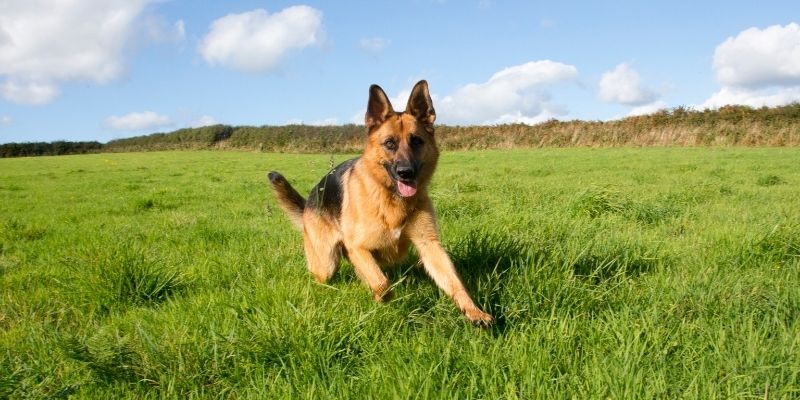
Back to nature: A straight back and correct center of gravity are the only way to a healthy and mobile dog.
A dog’s physical structure arises from the essence of its function. We should choose dogs of balanced build with straighter backs, although such dogs are becoming increasingly difficult to find. Everything else is the result of eugenics and the elevation of breed above species, a price that must eventually be paid. It is difficult to say how humanity will repay what it has done to the German Shepherd, and to many other breeds as well.
At Sasha Riess, we look beyond artificial breed standards to protect the natural biology of your dog. True canine wellness means restoring structural balance and a proper center of gravity, allowing your German Shepherd to live in movement, comfort, and pure biological pureloveandharmony. Support your dog’s ancestral health:Linktree Sasha Riess