
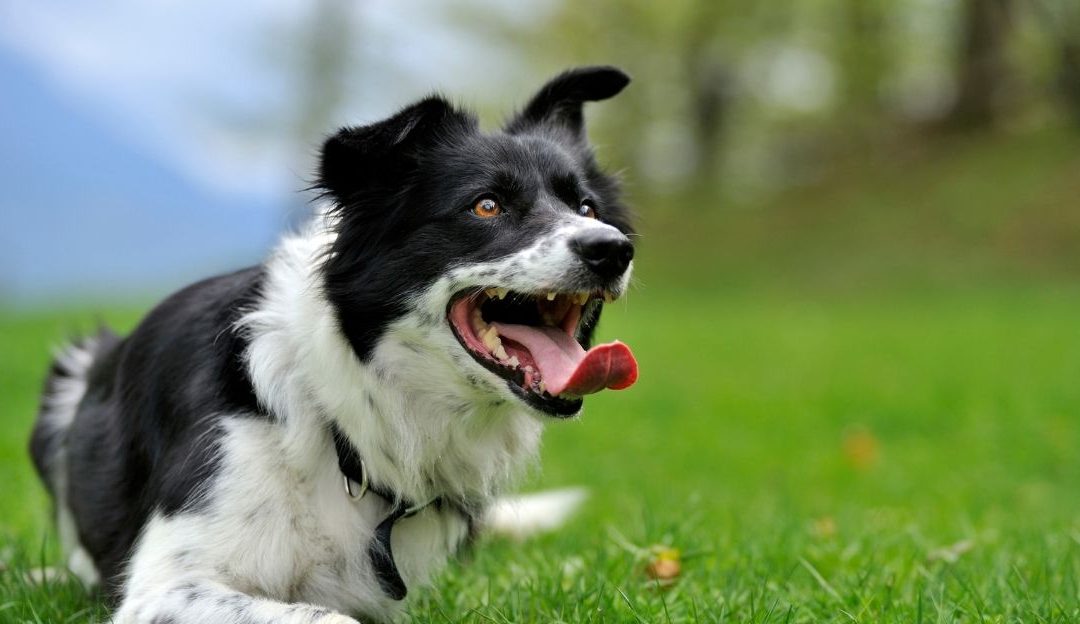
When a dog refuses obedience, most people assume something is wrong with the dog. But the truth is much deeper. I first encountered the idea of a culture of conflict through the work of my mentor, systemic therapist Vlado Ilić, who taught me that conflict is not a mistake but a natural process of growth.
Every conflict, even the one that appears between a human and a dog, is actually an invitation to look deeper into ourselves and face what we suppress.
Why Disobedience Is Not a Problem with the Dog
The culture of conflict teaches that conflict is not a flaw in a relationship but a natural occurrence that carries within it the possibility of growth and development. Every conflict is an invitation to look deeper, to see what we suppress, and to grow into more complete human beings through that encounter.

Dog Cosmetics: The Problem Is Not Bad Intent, but Lack of Knowledge

The clash between human and dog is often a reflection of our internal emotional conflict.
What Happens When a Dog Refuses Obedience
In practice, this becomes very clear. We often see conflict when a dog refuses obedience or does not do what we expect. Instead of stopping and asking why, we rush into training, forcing the dog to adapt to our demands. In doing so, we repeat the same patterns of force and upbringing that we once promised ourselves we would never repeat.
Dogs as Mirrors of the Human Shadow
This is not a conflict with the dog; it is a conflict with ourselves. It is a struggle with the part of us we do not want to acknowledge, the part whose longing for freedom becomes visible through a “disobedient” dog.
Dogs help us because they demand presence. They do not know masks. Their reaction is always authentic. When we learn to remain present in conflict with a dog, not resorting to punishment or force, but asking what the dog’s behavior is showing us, we touch the essence of harmony.
The Order of Love and Systemic Balance
Family constellations work with systemic laws, described by Bert Hellinger as the Order of Love. The three principles are:
-
The right to belonging: The dog belongs in our life, but not as a projection.
-
Respect for order: The human carries responsibility through grounded leadership.
-
Balance of giving and receiving: The dog is not a toy; he must receive safety, clarity, and love.
Cleaning a Dog’s Ears: How to Do It Properly and Where People Go Wrong
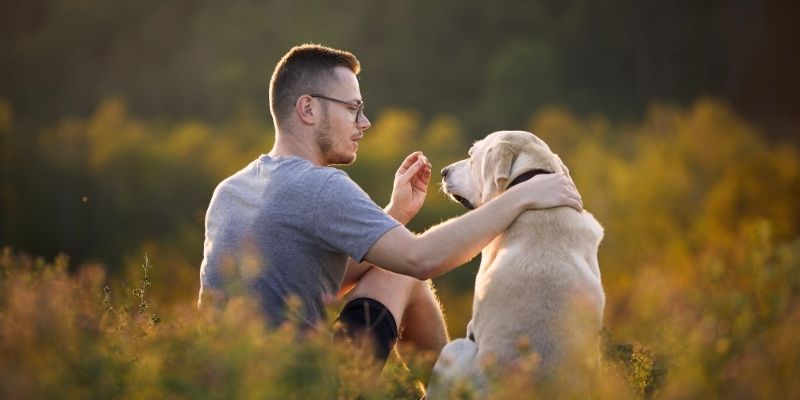
Silence and presence allow conflict to become a gift rather than an obstacle.
Presence and Silence: How to Respond
If I had to choose one practice for when a dog refuses obedience, it is to learn how to listen in silence. Not to listen through a mask or the ears of our parents, but through our own being. This means pausing before reacting, taking a breath inward, entering silence, and only then responding.
In my years of working with dogs, I have grown the most in conflict. Every crack in a relationship can become a place where light enters. If we dare to see conflict as a gift, it becomes a teacher rather than an enemy.
At Integrative and Holistic Grooming Education, we view every challenge as a path toward pureloveandharmony. When a dog refuses obedience, they are leading you toward your own shadow. Embrace the lesson:Linktree Sasha Riess
Magic Pins Combs: Precision, Durability, Excellence