
Problems with dry skin in Maltese dogs often catch owners by surprise. However, this is not a rare issue for the breed. Sanja asked me whether it happens because the Maltese supposedly has no undercoat. She also wondered what she should use to treat it. Furthermore, she read that owners should increase humidity in the home during winter. These are all common misconceptions. I have been hearing them for years. Therefore, understanding how to treat maltese dry skin requires breaking down these myths, because the true solution relies on correct bathing techniques rather than changing your indoor climate.
Does the Maltese Have an Undercoat?
The claim that the Maltese has no undercoat is completely incorrect. There is no dog breed in the world without an undercoat. Some dogs may appear hairless, which is very rare, yet even they have both types of hair. From every follicle where hair grows, an undercoat grows as well. Whether it is small, silky, invisible, or does not shed, it still exists.
Regardless of whether we are talking about short-haired dogs, hairless breeds, or curly-coated dogs, the coat is composed of two types of hair: the undercoat and the outer coat.
Proper Bathing and the Maltese
When it comes to dry skin, the real cause is often the incorrect practice of using only shampoo during bathing, without conditioner. It is important that a Maltese is bathed frequently enough. Ideally, you should bathe your dog within an interval of 7 to 12 days. Never do it less often than that.
Why is conditioner so important? If you use only shampoo, it dries out both the coat and the skin. The skin then begins producing much more lanolin to compensate for the natural oils that were washed away. Lanolin is an extremely strong fat that creates a paradox. The more lanolin there is, the drier the skin becomes. It forms a thin layer on the skin that dries out and prevents new oils from surfacing, which ultimately leads to flaking. This destructive metabolic feedback loop shows exactly how to treat maltese dry skin by stopping the overproduction of lanolin.
Estrogen in Dogs: Does Hormone Deficiency Cause Incontinence?
Grooming as a Space of Healing: How to Reclaim Inner Peace
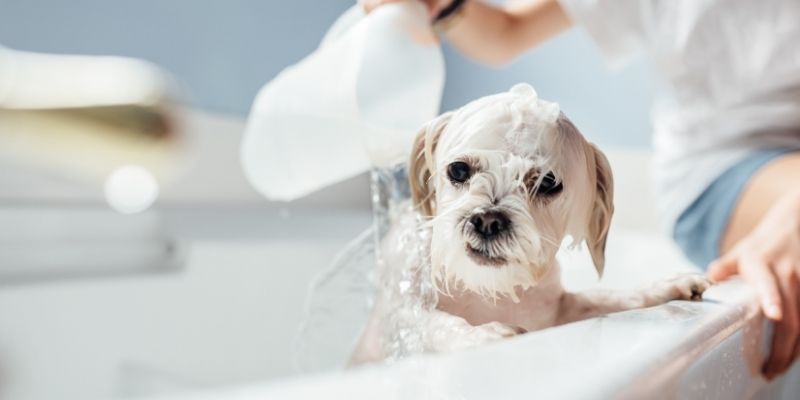
Every dog breed has an undercoat, and the bathing process must always include conditioner to protect the skin.
Hydration as the Key to a Healthy Coat
What is actually shedding is skin overloaded with lanolin. We have placed the dog in an unnatural environment. An apartment has conditions very different from nature. Shampoo removes all oils because dirt adheres to them. If we truly want to bathe a dog properly, we must clean thoroughly, which includes removing natural oils.
That is exactly why the bathing process should not end with shampoo. It must always be completed with conditioner. Only then does bathing gain its full meaning for a breed like the Maltese, and further coat maintenance becomes much easier. Advice about increasing indoor humidity is unnecessary. The real issue is insufficient hydration of the coat and skin. The only reliable way to achieve proper hydration is to apply conditioner to a clean coat. To explore more about professional hygiene routines, proper bathing intervals, and advanced protection for your dog’s skin, read our holistic coat care guidelines.
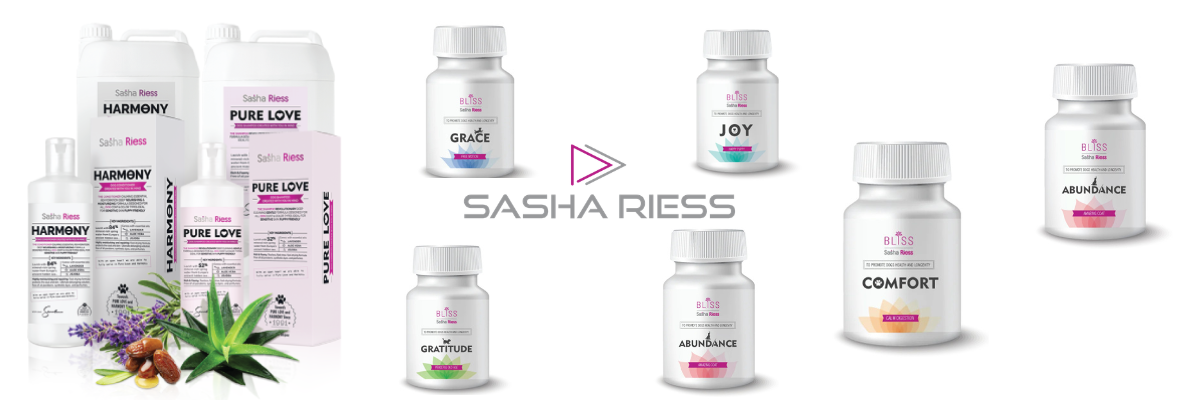
At Sasha Riess, we look past popular myths to honor the unique biological blueprint of your companion. True coat health requires proper external care to create lasting vitality and pureloveandharmony. Discover the customized path to your dog’s longevity: Linktree Sasha Riess
What If The Dog Was Never The Problem?
👉 Follow our Facebook page and never miss our latest articles, news, and updates.
View this post on Instagram