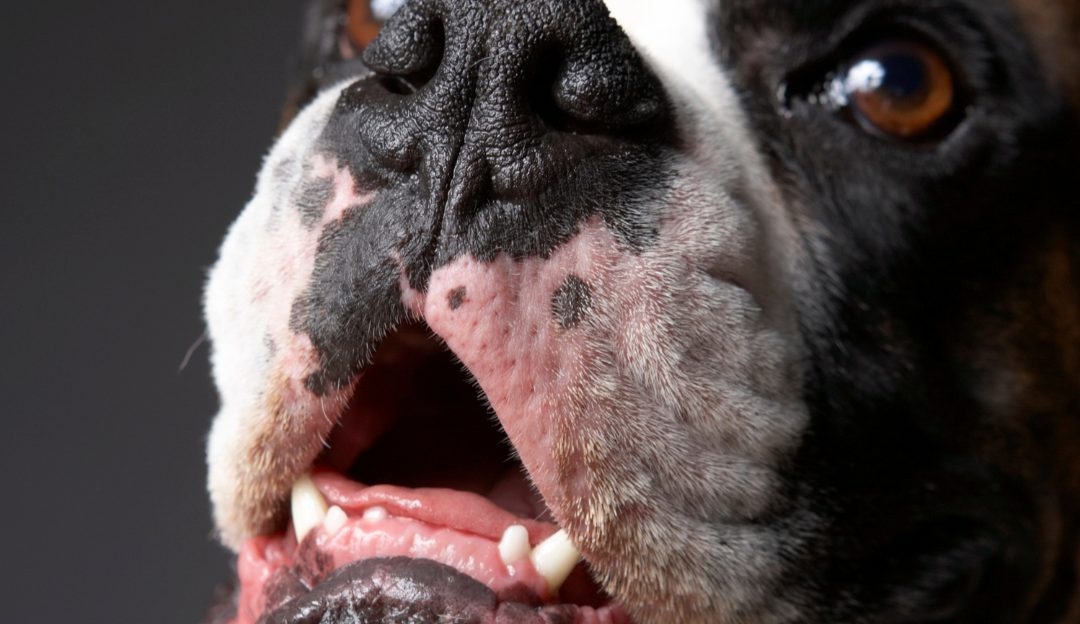
Sometimes an owner looks inside their dog’s mouth and notices something unusual. The teeth no longer look the way they used to. They seem smaller, almost as if they are slowly disappearing beneath the gums. In some dogs, this process develops gradually and almost unnoticed, while in others the gum tissue suddenly appears thickened, swollen, lumpy, or has grown so much that it partially covers the teeth.
This condition is called gingival hyperplasia, or excessive overgrowth of the gum tissue. Although it may appear to be only a local problem inside the mouth, it can have much broader consequences for a dog’s overall health.
What Is Gingival Hyperplasia?
Gingival hyperplasia occurs when the gum tissue begins to grow excessively. The gums become larger, thicker, firmer, sometimes red and inflamed, while in other cases they may initially appear relatively normal, there is simply too much tissue. As the tissue enlarges, it may partially or completely cover the teeth. Owners often feel as though the teeth are „shrinking,“ „receding,“ or „disappearing,“ when in reality the gums are growing over them.

The problem is not only cosmetic. Excess gum tissue creates pockets around the teeth where food particles, plaque, tartar, and bacteria accumulate. Over time, this can lead to severe dental disease, inflammation, pain, damage to the tissues supporting the teeth, and eventually tooth loss.
Why Isn’t This Just a Cosmetic Issue?
When the gums grow over the teeth, they create spaces that owners cannot properly clean at home. Even regular tooth brushing is often insufficient because the toothbrush cannot reach beneath the excess tissue. Inside these hidden pockets, bacteria multiply, food debris accumulates, and inflammation continues.
Dogs may develop bad breath, bleeding gums, pain while chewing, excessive drooling, or changes in their eating habits. Consequently, some begin chewing on only one side of the mouth. Others drop food while eating. Some refuse hard food altogether and seek softer meals. Others simply become quieter, more withdrawn, or irritable, leaving owners unaware that their dog is actually experiencing chronic oral pain.
A Magical Journey Through Grooming: Why Conscious Brushing and Love Are Inseparable
Minerals: The Invisible Foundation of Life
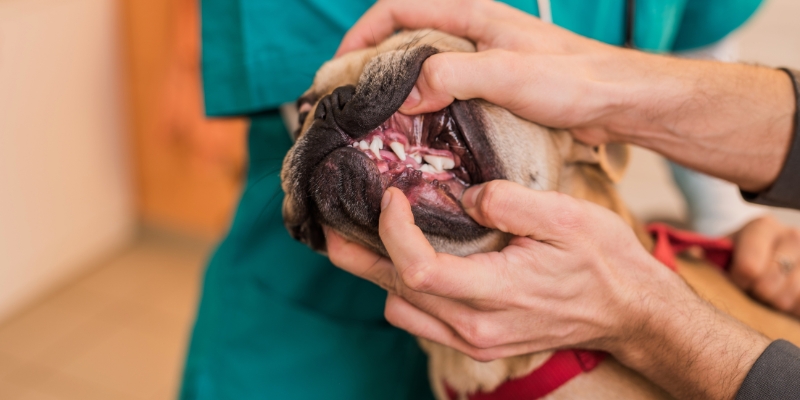
ROUTINE VETERINARY EXAMINATIONS HELP DETECT EXCESS GUM TISSUE BEFORE DEEP POCKETS FORM.
Which Dogs Are More Predisposed?
Gingival hyperplasia in dogs can occur in any breed, but certain dogs appear to have a higher predisposition. It is most commonly reported in Boxers, Bulldogs, brachycephalic breeds, and several others. This does not mean every dog of these breeds will develop the condition, nor does it mean that other breeds are immune. Genetics may play an important role, but it is certainly not the only factor involved.
Why Do the Gums Begin Growing Excessively?
The exact cause of gingival hyperplasia in dogs is not always completely understood. Some dogs have a genetic predisposition, meaning their bodies respond differently to gum inflammation than others.
In many dogs, periodontal disease causes the gums to recede. In dogs with gingival hyperplasia, however, the opposite occurs: instead of shrinking, the gums enlarge, thicken, and gradually cover the teeth.
Several factors may contribute, including plaque, tartar buildup, poor oral hygiene, chronic inflammation, gum trauma, abnormal bite alignment, foreign material lodged beneath the gums, chewing sticks or hard objects, and certain medications. Some medications, such as cyclosporine (commonly prescribed for allergies and autoimmune diseases) or certain cardiovascular drugs like amlodipine, have been associated with gum overgrowth in some dogs. For this reason, veterinarians should always be informed about the dog’s complete medical history, including every medication currently being used.
How Can Owners Recognize the Problem?
The most common sign of gingival hyperplasia in dogs is excessive tissue along the gumline. The gums may appear thickened, swollen, uneven, or may visibly extend over the teeth. In some dogs, the changes remain limited to one area of the mouth, while in others much larger portions of the jaw suffer.
Owners may also notice:
-
Bad breath
-
Red or inflamed gums
-
Bleeding after chewing or eating
-
Blood on chew toys
-
Excessive drooling
-
Frequent lip licking
-
Refusal to eat hard food
-
Dropping food from the mouth
-
Chewing only on one side
-
Pain when the muzzle is touched
-
Heavy tartar accumulation
It is important to understand that dogs do not always display every symptom. Many dogs tolerate significant dental pain for long periods without obvious signs, making regular oral examinations extremely important.
Can This Be Treated at Home?
This is one of the first questions many owners ask, and the answer must be honest: not completely. At home, we can help with prevention, oral hygiene maintenance, and reducing the risk of recurrence. We can support immunity, digestive health, nutrition, and the microbiome.
However, if the gum tissue has already grown over the teeth and formed deep periodontal pockets, this cannot be safely corrected with home remedies. There is no tea, supplement, powder, probiotic, or natural product capable of safely removing excessive gum tissue that has already covered the teeth.
Even more importantly, there is no home technique capable of thoroughly cleaning deep pockets already filled with bacteria, plaque, and tartar. For these reasons, managing gingival hyperplasia in dogs requires proper veterinary evaluation.
How Is the Diagnosis Made?
The veterinarian begins with a thorough examination of the dog’s mouth, teeth, gums, and surrounding oral structures. In some dogs, this can be performed during a routine examination, but if the dog is painful, fearful, reactive, or unwilling to allow oral handling, a complete examination is often performed under sedation or anesthesia.
It is essential to distinguish gingival hyperplasia in dogs from other oral conditions. Not every gum growth is the same. Some masses may represent tumors, epulis, advanced periodontal disease, or other pathological conditions. For this reason, a biopsy may sometimes be recommended, especially if the tissue appears unusual, grows rapidly, bleeds, or has an irregular appearance.
How Is Gingival Hyperplasia Treated?
Treatment depends on the severity of the condition, but most cases involve professional dental cleaning under anesthesia combined with removal of the excessive gum tissue. During the procedure, the veterinarian may obtain dental radiographs to evaluate the tooth roots, jaw bone, abscesses, fractures, bone loss, and the extent of periodontal disease.
Plaque, tartar, and debris are then carefully removed from around the teeth. If some teeth are severely damaged, loose, painful, or infected, extraction may be recommended.
When excessive gum tissue is present, a procedure known as a gingivectomy or gingivoplasty is performed. During this procedure, the excess gum tissue is removed and the gumline is reshaped. Ultimately, the goal goes beyond simple cosmetic improvement; it eliminates deep bacterial pockets and restores a healthy environment that allows the dog to eat comfortably and live free from chronic inflammation.
Recovery After Surgery
Following the procedure, dogs typically receive pain medication and, depending on the condition of the mouth and the veterinarian’s assessment, sometimes antibiotics. Soft food is often recommended during recovery, as hard food may irritate the healing tissues.
Hard bones, antlers, hard chew toys, sticks, and anything capable of traumatizing the gums should be avoided. Even tooth brushing is usually paused temporarily until the veterinarian confirms it is safe to resume.
This is a period during which the body needs rest, soft nutrition, adequate pain control, and careful monitoring. Therefore, if the dog refuses food, appears extremely painful, develops worsening swelling, persistent bleeding, foul odor, or any unusual symptoms, the veterinarian should be contacted immediately.
Emotional Conflict in a Single Word: Why Dogs Stop Trusting Their Own Name
Why Cancer in Dogs Is a Systemic Disease and How It Develops
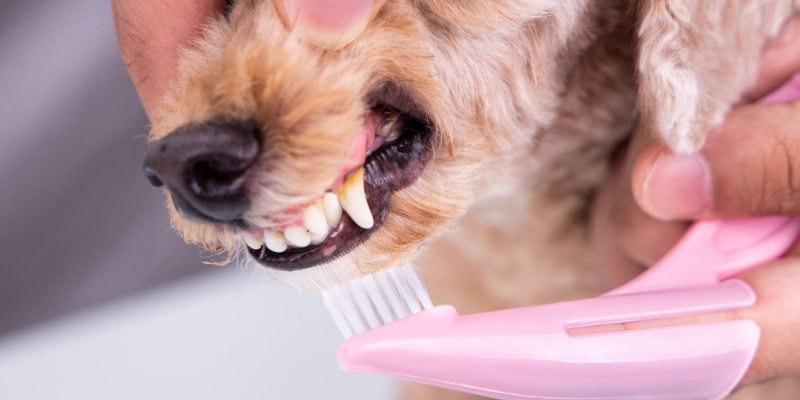
DAILY ORAL HYGIENE AND BRUSHING HELP REDUCE PLAQUE AND PREVENT GUM INFLAMMATION.
What Can Be Done at Home After Recovery?
Once healing is complete and your veterinarian confirms the gums have recovered, home care becomes essential. Regular tooth brushing with a toothpaste formulated specifically for dogs can significantly reduce plaque accumulation and inflammation. Human toothpaste should never be used.
Safe dental chews, carefully selected chew toys, and products designed to reduce plaque and tartar may also be beneficial. Simultaneously, sticks, excessively hard bones, antlers, and objects capable of damaging the gums or fracturing teeth should be avoided. Routine dental examinations are especially important in breeds predisposed to gingival hyperplasia in dogs. Addressing small problems early is far easier than waiting until the gums once again cover the teeth.
The Role of Nutrition, Gut Health, and the Microbiome
From a holistic perspective, the mouth is not separate from the rest of the body. The oral cavity is the beginning of the digestive tract. Everything occurring in the mouth influences the rest of the body, while the condition of the digestive and immune systems may also affect the skin, mucous membranes, and gums.
A dog living with chronic oral inflammation continuously swallows bacteria and inflammatory by-products, placing additional stress on digestion and immunity. Likewise, dogs with poor nutrition, an imbalanced microbiome, chronic inflammation, allergies, or digestive disorders may have a reduced ability to regulate inflammatory processes within the mouth.
Supporting the body through improved nutrition, reducing highly processed foods, limiting excessive starches and sugars, providing high-quality protein, using probiotics when appropriate, and feeding foods that do not continuously promote inflammation may all be beneficial. Bone broth, when well tolerated, may provide additional digestive support, but it is not a substitute for professional dental treatment.
It is important to remain realistic. Probiotics, dietary improvements, bone broth, and natural supportive care may help strengthen the body, but they cannot remove excessive gum tissue that has already grown over the teeth. Once the condition becomes advanced, it rarely resolves on its own. While owners experiment with various supplements, bacteria may continue accumulating beneath the gums, progressively damaging the teeth.
The best approach is a combined one: the veterinarian addresses what requires professional treatment using standard procedures, while the owner supports long-term oral health through healthier daily habits at home.
If you notice that your dog’s gums appear to be growing uncontrollably, there is no need to panic, but the problem should never be ignored. Gingival hyperplasia in dogs represents a treatable condition, and many dogs experience remarkable improvement after proper dental treatment. Only after treatment do many owners realize how long their dog had quietly been living with oral discomfort.
The mouth is far more than a collection of teeth. It marks the beginning of the digestive system, reflects immune health, and serves as an important mirror of the dog’s overall well-being. When we care for the gums, we are not simply protecting a smile; we are protecting our dog’s ability to eat, digest, rest, and live free from silent, chronic pain.
Thank you for reading.
To discover more about how emotional alignment, balanced lifestyle, and authentic energy restore internal balance, read our canine wellbeing guidelines.
See you next time.
At Sasha Riess, we look past commercial labels to honor the unique biological blueprint of your companion. True health requires addressing the subtle internal patterns that create lasting vitality and pureloveandharmony. Discover the customized path to your dog’s longevity: Linktree Sasha Riess
👉 Follow our Facebook page and never miss our latest articles, news, and updates.
What If The Dog Was Never The Problem?
View this post on Instagram