
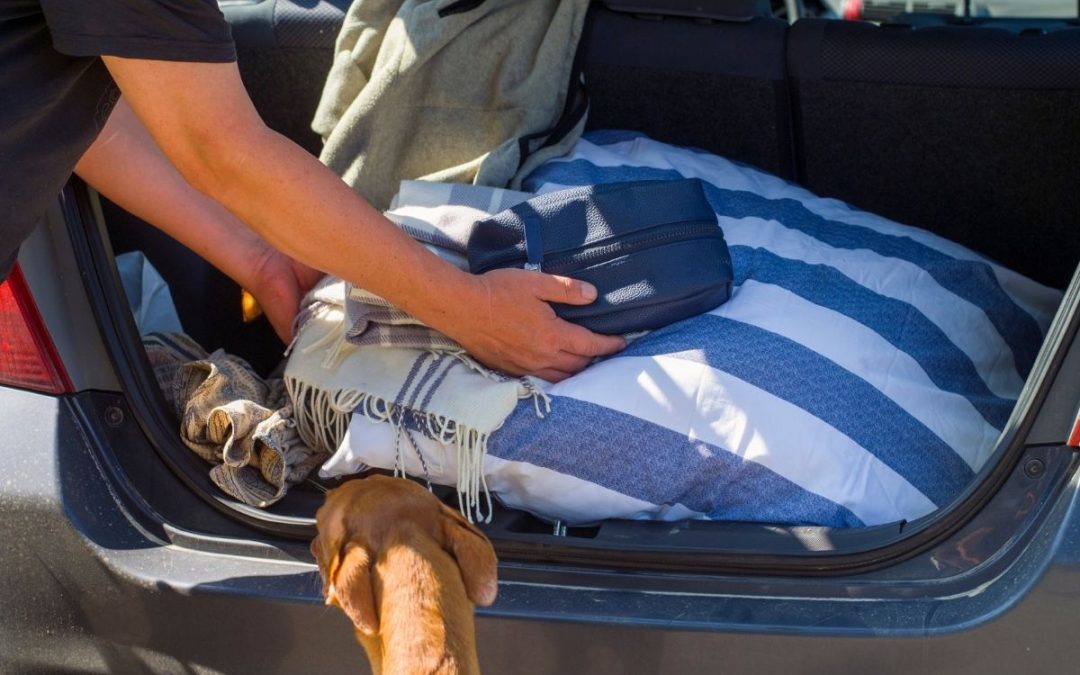
In the show “1000 Whys and 4 Hows,” a viewer asked about dogs that fear car rides. One owner shared that she tried everything — holding her dog in her lap, securing him with a seatbelt, placing him in a carrier — but nothing worked.
This type of fear is not unusual. In fact, many dogs fear car rides because they lack trust that their owner can protect them. They don’t see you as the “pack leader” in control of the situation, so the car becomes a place of uncertainty and danger.
The Ride Begins at Home — Not in the Car
When dogs fear car rides, the solution isn’t in carriers, harnesses, or petting during the trip. The solution lies in the relationship — and that relationship starts at home, not in the car.

From a technical point of view, when driving with your dog, you shouldn’t talk too much, pet him, or hold him. These actions only confirm that there’s a reason to be afraid. Consequently, what you intend as comfort actually reinforces his anxiety.
Instead, use your own calm and stability to communicate safety. Dogs respond to your energy — not your words.
Step One: Start with Yourself
The first step I always recommend to every owner is self-awareness.
Dogs don’t understand punishment or explanations — but they fully understand energy, tone, and intention. Therefore, your inner state sets the emotional tone of the environment.
Step Two: Practice Calm in the Car — Without Words or Music
When you start getting your dog used to the car, follow these steps:
-
Dress him in something slightly snug — if he usually wears a size 3, choose a size 2. Gentle pressure around the chest stimulates the vagus nerve, which has a calming effect.
-
Place him on the back seat and avoid eye contact or verbal interaction.
If he tries to come closer, calmly guide him back with your hand — no words, no emotion. Simultaneously, keep the car silent — no music, no talking — offering only silence and your grounded presence. This teaches your dog that the car is a neutral space, not a source of stress or tension.
You Are What You Eat: Why Dead, Dehydrated Dog Food Can Rob Dogs of Their Vitality
Is Hip Dysplasia Possible at 8 Months of Age?
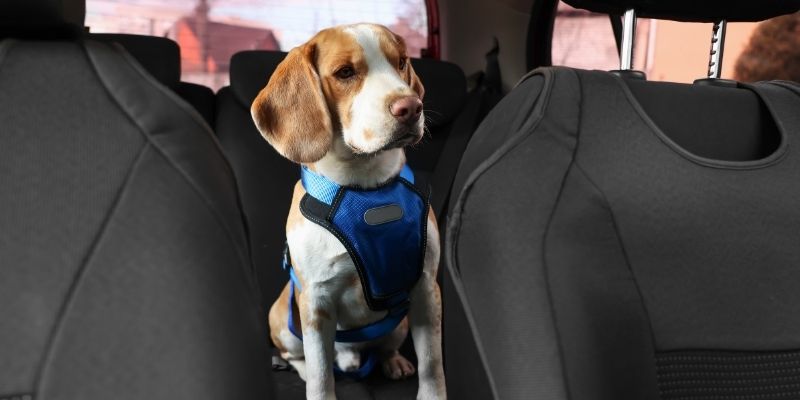
PRACTICING CALM IN THE CAR WITHOUT WORDS OR DISTRACTIONS TEACHES YOUR DOG THAT THE RIDE IS SAFE.
Step Three: Repetition and Trust
Repeat this exercise several times a week without driving. Once your dog appears calm and comfortable, begin taking very short rides — just a few minutes at first, gradually increasing the duration.
Your dog must feel that the ride is safe and that you are centered and in control.
Calm Owner – Calm Dog
A dog that faces fear car rides doesn’t need luxury — he needs security. When you show him that you’re stable, calm, and not overreacting, he begins to trust.
Ultimately, fear isn’t healed through words or force — but through energetic stability and consistency. When we learn to be calm, our dogs recognize it instantly and follow our lead.
Thank you for reading.
Comfort bundle prebiotics and probiotic supplement gut health aid your dog’s immune and digestive systems
To discover more about how emotional alignment, balanced lifestyle, and authentic energy restore internal balance, read our canine communication & behavior guidelines.
See you next time.
At Sasha Riess, we look past commercial labels to honor the unique biological blueprint of your companion. True health requires addressing the subtle internal patterns that create lasting vitality and pureloveandharmony. Discover the customized path to your dog’s longevity:Linktree Sasha Riess
👉 Follow our Facebook page and never miss our latest articles, news, and updates.
What If The Dog Was Never The Problem?
View this post on Instagram