
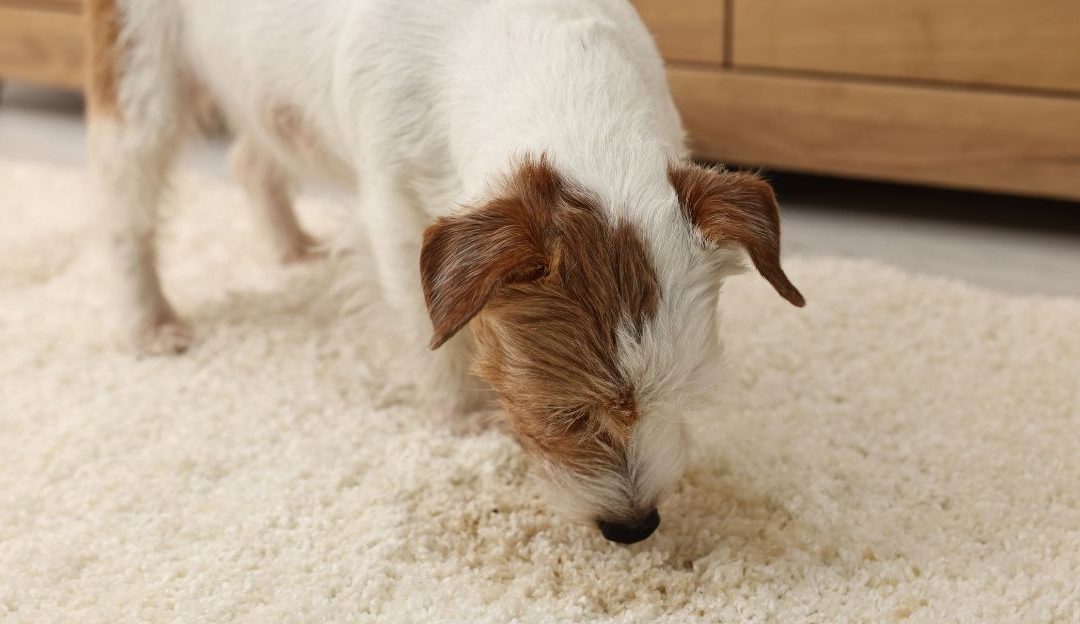
A sudden change in urination habits in a dog who previously maintained perfect house manners often confuses owners. When a dog begins urinating indoors, the reason may be medical, hormonal, emotional, or behavioral. In adult dogs, especially intact males, urination also serves as territorial marking. Consequently, understanding why a dog starts urinating indoors requires ruling out medical issues first and then observing the dog’s behavior and specific situations where accidents occur.
Medical Reasons Why a Dog May Begin Urinating Indoors
Before assuming disobedience, checking for underlying medical causes remains critical. Urinary tract infections, kidney problems, diabetes, or inflammation lead to sudden, frequent urination. A simple urine or blood test gives a clear picture of whether the dog experiences a physical problem that makes holding the bladder difficult.
When a medical issue exists, the problem is not behavioral but reflects real physical discomfort.

Behavioral Causes: Dominance, Marking, and Attention Seeking
In sexually mature dogs, urination often serves as territorial marking. This occurs especially in males who have not undergone neutering.
Sometimes a dog urinates indoors because it is:
-
anxious
-
jealous
-
seeking attention
-
feeling insecure
-
testing boundaries in the relationship with the owner
If the dog realizes that urinating elicits a reaction, even a negative one, it continues using this behavior as a tool to attract attention.
Why You Should Not Punish a Dog for Urinating Indoors
Punishment consistently makes the problem worse. The dog begins to associate urination with fear and internal tension. Instead of understanding that the behavior is unwanted, the dog learns that urinating triggers interaction with the owner and provokes a reaction.
Ignoring the behavior proves far more effective because the dog receives nothing in return. Therefore, quietly clean the area without eye contact, and positively reward the dog every time it urinates outside.
Why Does My Dog Not Drink Water? The Truth About Hydration That Tables Do Not See
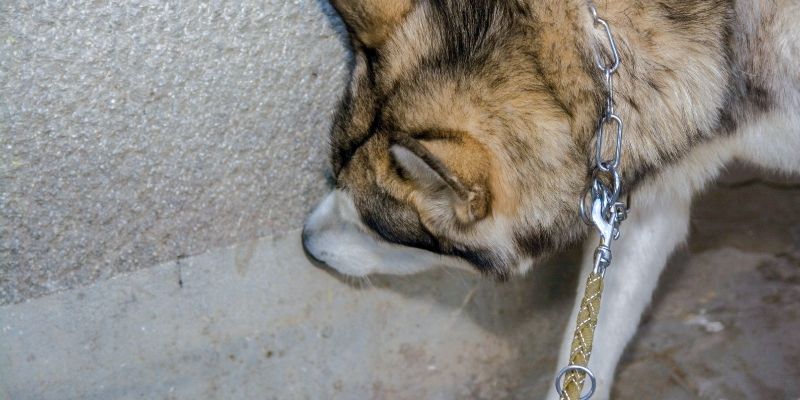
ESTABLISHING REGULAR ROUTINES AND CLEANING MARKED AREAS WITH ENZYMATIC CLEANERS PREVENTS REPEATED ACCIDENTS.
How to Resolve the Problem and Restore Healthy Habits
To prevent the dog from continuing to urinate indoors, follow these essential steps:
-
rule out medical problems first
-
consider neutering if the dog remains intact
-
establish a clear routine for walks and bathroom breaks
-
reduce emotional triggers such as stress, household changes, or new pets
-
regularly clean marked areas with enzymatic cleaners
-
avoid punishment and reward successes instead
Simultaneously, addressing emotional security and establishing predictable boundaries help rebuild confidence. Ultimately, when we remove health concerns and handle accidents calmly, our dogs easily return to their previous clean habits.
Thank you for reading.
To discover more about how emotional alignment, balanced lifestyle, and authentic energy restore internal balance, read our canine communication & behavior guidelines.
See you next time.
At Sasha Riess, we look past commercial labels to honor the unique biological blueprint of your companion. True health requires addressing the subtle internal patterns that create lasting vitality and pureloveandharmony. Discover the customized path to your dog’s longevity: Linktree Sasha Riess
View this post on Instagram