by Sasha Riess | 06.07.26. | Nutrition
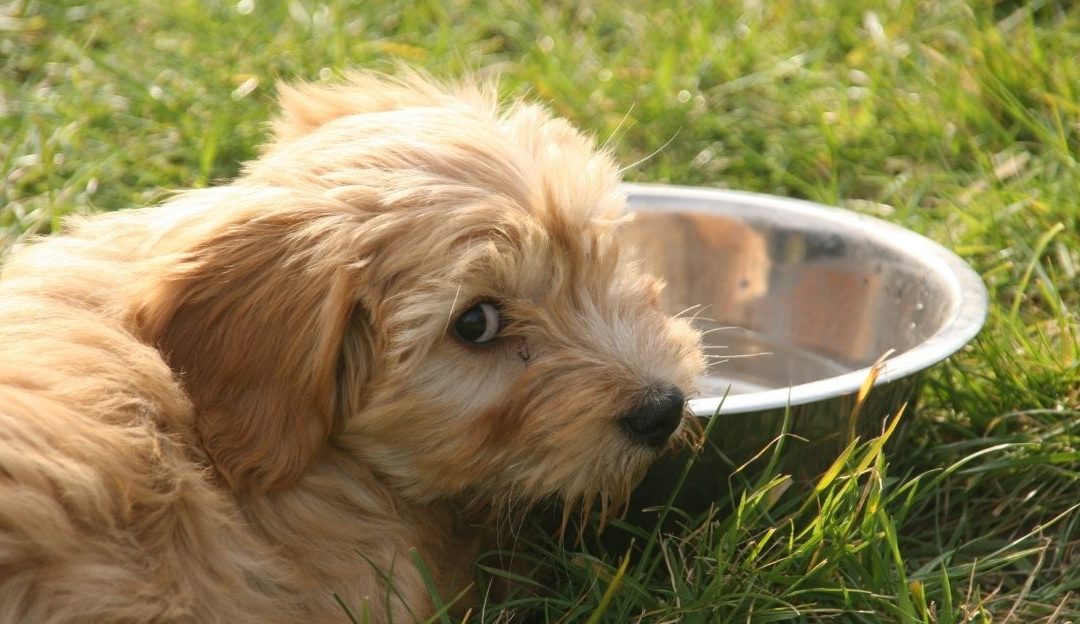
Many owners, especially those with smaller breeds such as Yorkies, panic when they notice that their dog has not approached the water bowl all day. The first question they ask is: “How can I make my dog drink?” However, the answer is simple. Do not force it. A dog is not a number in a nutrition table. Instead, it is a living being of nature that drinks water only when it is truly thirsty. Proper dog care requires understanding the dog’s unique ecosystem rather than blindly following general recommendations. Therefore, learning why dogs stop drinking water requires examining their specific lifestyle and diet rather than forcing a universal standard.
The Trap of Kibble and Dehydrated Food
The main reason we remember dogs that constantly drink water is kibble. Dry, dehydrated food requires a large amount of water simply to soak in the stomach before digestion can even begin. Consequently, when a dog eats kibble, the body often uses its own internal water reserves to process it. This unnatural strain can lead to constant thirst and the disturbance of stomach acid balance.
On the other hand, if your dog eats freshly prepared, moist food, most of the required hydration already comes through the meal itself. In that situation, the dog simply does not need to drink additional water.
This is because the body is not dehydrated by the digestive process. This stark dietary difference explains why dogs stop drinking water from their bowls when they switch to species-appropriate nutrition.
Cooling Biology and Environment
Dogs do not have sweat glands across their entire body as humans do. Instead, they cool themselves mainly through rapid breathing and through their paw pads. If your dog lives indoors in a temperature-controlled environment and is not exposed to extreme heat, it will not lose significant fluid through evaporation.
For instance, a dog walking on hot asphalt and a dog breathing cool mountain air do not have the same hydration needs. If there is no environmental dehydration, there is simply no need for active rehydration.
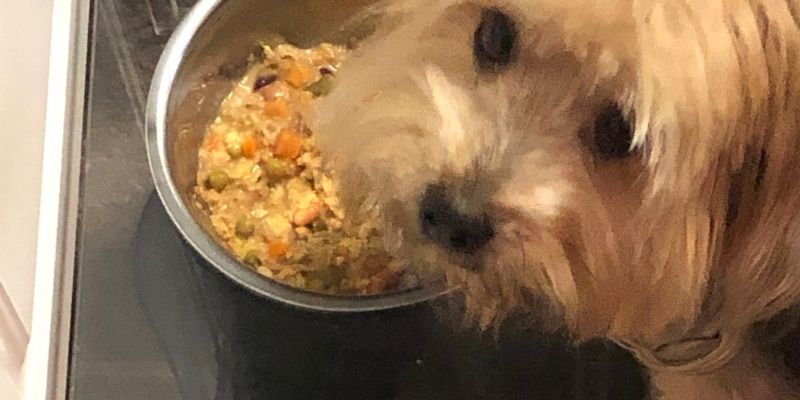
If your dog eats freshly prepared, moist food, most of the required hydration comes through the meal itself.
Observe Your Dog, Not Numbers
Just as two different humans cannot have the exact same water requirement, dogs cannot fit into a single, generic hydration formula. Therefore, you must carefully observe your dog’s specific ecosystem. You should consider what the dog eats, where the dog spends time, and how active the dog is throughout the day.
A dog will not allow itself to reach dangerous dehydration if fresh water is always available. Your responsibility is only to provide continuous access to clean water. Ultimately, the dog’s body will know exactly when it needs the first sip. To explore more about how freshly prepared, moist meals and vital nutrients support your dog’s hydration from within, read our holistic nutrition guidelines.
See you next time.
At Sasha Riess, we look past commercial labels to honor the unique biological blueprint of your companion. True health requires addressing the subtle internal patterns that create lasting vitality and pureloveandharmony. Discover the customized path to your dog’s longevity: Linktree Sasha Riess
👉 Follow our Facebook page and never miss our latest articles, news, and updates.
by Sasha Riess | 05.07.26. | Nutrition
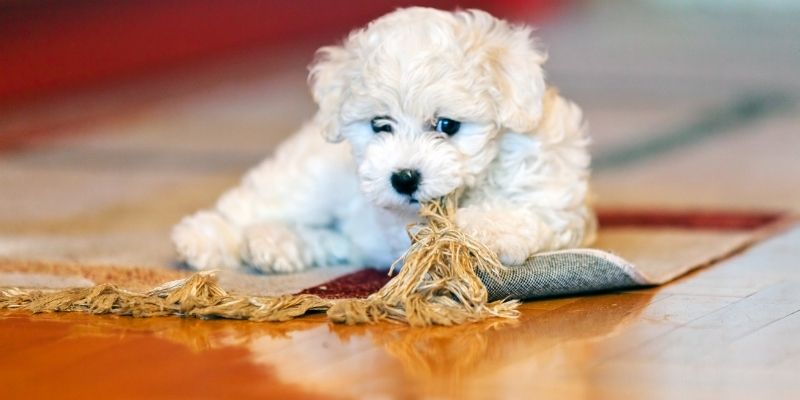
When a Bichon owner says their dog is “itching all the time,” the first thought usually points to fleas or an improper shampoo. However, if the dog eats a diet consisting strictly of kibble, the problem is almost always internal. Constant scratching and chewing on the paws are not just surface-level skin irritations. Instead, they represent the body’s ultimate cry for help when it cannot process the substances entering it. Therefore, understanding what causes constant bichon itching requires looking beneath the fur, because the issue stems from the digestive system rather than a topical condition.
Microbiome: The Invisible Army Losing the Battle
The absolute core of the problem lies within the microbiome, which is the delicate community of beneficial probiotic bacteria in the digestive tract. Unfortunately, poor-quality industrial food and chronic stress rapidly destroy these protective bacteria. Consequently, when the microbiome weakens, the dog’s immunity drops significantly. The body then begins to produce histamines in response to everyday substances that would not normally act as allergens. Commercial kibble is frequently filled with ingredients and artificial elements that the dog’s body simply does not know how to process. This internal failure explains exactly what causes constant bichon itching from the inside out.
The Brain Commands: “Push It Out Through the Skin”
An allergy is, in its essence, a highly active defense mechanism. When a dog consumes something its body does not recognize or cannot safely process, the brain makes an urgent survival decision. Since the liver, kidneys, and bladder cannot fully handle or filter out these unfamiliar elements, the organism utilizes its largest detoxification organ: the skin.
“Push it out!” the brain signals. Consequently, histamines appear directly on the surface, causing intense itching, redness, and persistent wounds from compulsive scratching.
Ultimately, scratching is only the final, visible stage of a complex metabolic process that began directly in the food bowl. Therefore, if you want your Bichon to stop itching permanently, do not look for another medical cream or a temporary chemical spray. Instead, look for real, living food that will naturally rebuild the microbiome and restore internal peace. To explore more about how a clean, species-appropriate diet transforms your dog’s health from the inside out, read our holistic nutrition guidelines.
See you next time.
At Sasha Riess, we look past commercial labels to honor the unique biological blueprint of your companion. True health requires addressing the subtle internal patterns that create lasting vitality and pureloveandharmony. Discover the customized path to your dog’s longevity: Linktree Sasha Riess
by Sasha Riess | 05.07.26. | Behaviour
“Everyone is against me. Now I only have this dog, I give him everything in life. My home is full of love.”
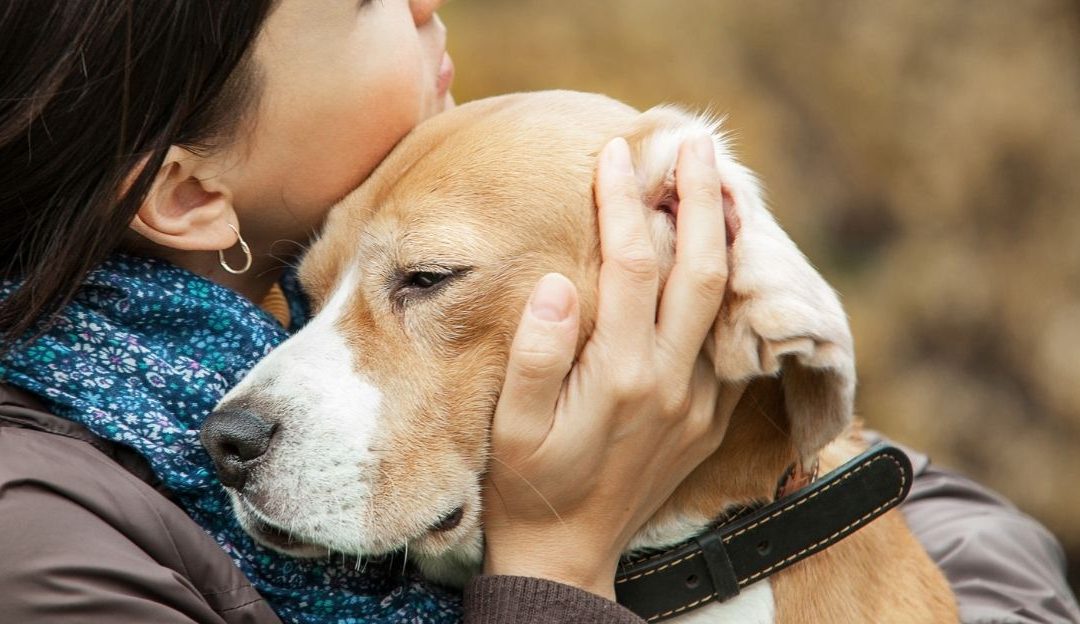
These sentences often sound noble, but behind them there is frequently a darker truth: the dog becomes a victim of someone’s need to feel important. In such a constellation, the relationship between human and dog stops being a partnership. Instead, it becomes a form of emotional captivity.
Therefore, recognizing how emotional codependency harms dogs is critical, as this psychological dynamic shifts the relationship from mutual care to an invisible cage.
Savior or Jailer?
Some people have a pathological need to be saviors. They want to feel big, significant, and completely irreplaceable. Consequently, the dog serves as physical proof of that importance.
“Do you see how much I love you? I do all of this for you, I go nowhere because of you, I have done everything just for you.”
That is not love. Instead, it is the imposition of emotional debt onto a being that cannot respond. When the owner’s entire world narrows down to “only you, you, and you,” the dog stops being a dog. Furthermore, it becomes an instrument for filling deep human emotional voids. This obsessive focus creates an unbearable psychological pressure under which the dog deteriorates both physically and behaviorally. This suffocating dynamic illustrates exactly how emotional codependency harms dogs by erasing their natural boundaries.
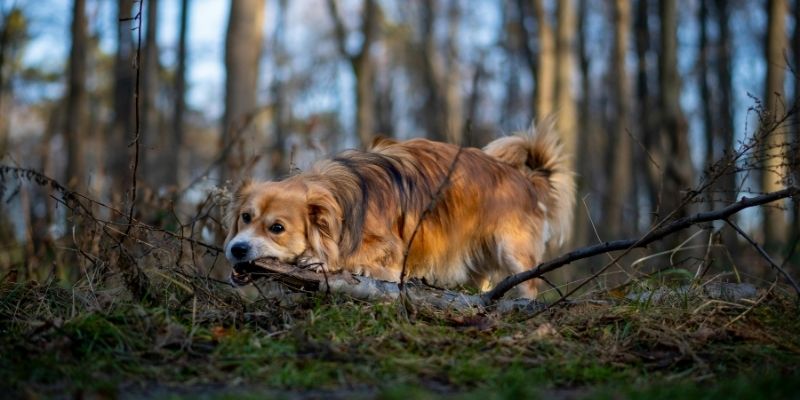
True love liberates the organism, allowing the dog to thrive without carrying the weight of human emotional debt.
The Moment of Panic and a Wake-Up Call
At what point does the panic become so great that we must “trick” a person in order to save their life and the life of their dog? The relationship between human and dog is deeply damaged here because the owner, blinded by their own role as both victim and savior, no longer sees reality.
A dog living in such an intense environment is a hostage. It pays a heavy price for the owner’s inability to face the world outside that “beautiful house full of love” which is, in truth, an emotional cage. To save the dog in such a situation often means first making the owner aware of the destructiveness of their “love.”
True love liberates, while the kind we are speaking about ultimately suffocates. To explore more about how a stable human presence, proper environmental communication, and authentic connection protect your companion from internal stress, read our holistic behavior guidelines.
See you next time.
At Sasha Riess, we teach that a dog’s behavior is the direct reflection of your inner world. True wellness means living in absolute authenticity to bring ultimate pureloveandharmony to your companion. Connect with your dog’s true nature today: Linktree Sasha Riess
by Sasha Riess | 03.07.26. | Behaviour
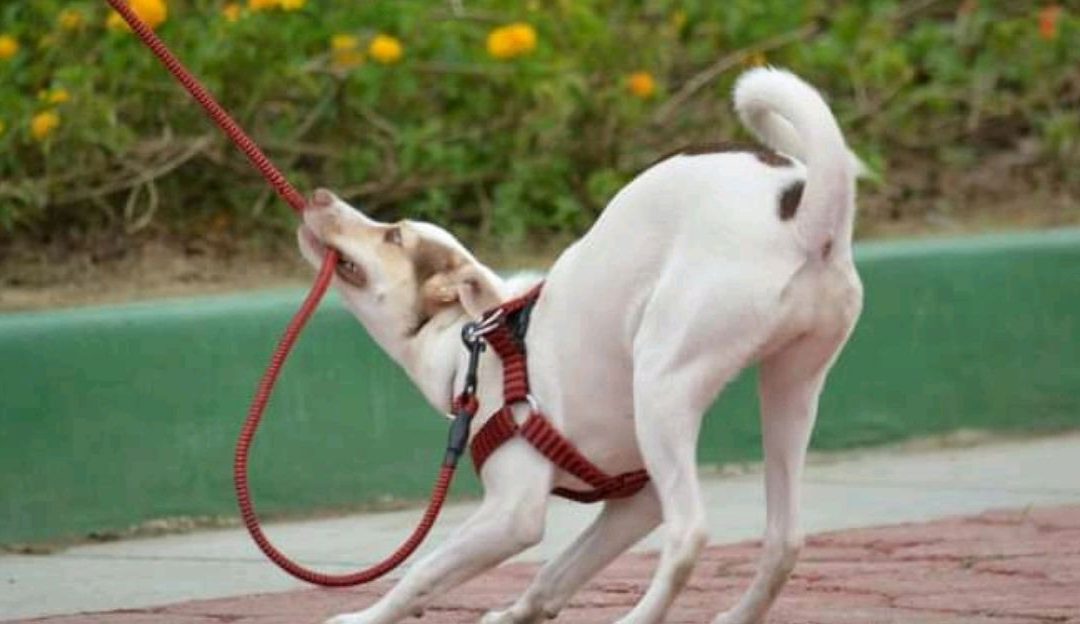
Stress cannot be separated from the context of health. Dogs that become ill are often the ones that have been warning us for a long time through their behavior. These warnings include pulling on the leash, excessive barking, or other similar issues.
Consequently, these behaviors are not just “bad manners.” They are clear results of a physiological collapse that has not yet escalated into a visible symptom. Therefore, understanding how stress triggers dog illness is essential because this silent killer changes the internal state long before a diagnosis.
The Trap of Symptom Masking
People often try to “smooth over” the problem or mask the symptom. However, this approach leads to losing the opportunity to resolve the issue at its core. A common example is self-deception around food allergies.
Many owners say that their dog is allergic to chicken, so they stop giving it. They believe the dog is now perfectly healthy. No, your dog is not healthy. He simply does not eat chicken. Give it to him, and you will see how ill he actually is. Ultimately, avoiding a trigger is not the same as healing the organism. This misunderstanding shows exactly how stress triggers dog illness by hiding systemic weakness.
Microbiome, Stress, and the Relationship With the Human
We return again to the processes within the microbiome. This internal system is inseparably connected to the level of stress. Furthermore, stress connects directly to the relationship between the human and the dog.
The Silence That Screams: Are We Leaving Our Unlived Wounds to Children and Dogs?
Bathing Dogs: Hygiene That Protects Internal Organs
Creative Flow in Grooming: The Moment When Technique Ends and Magic Begins
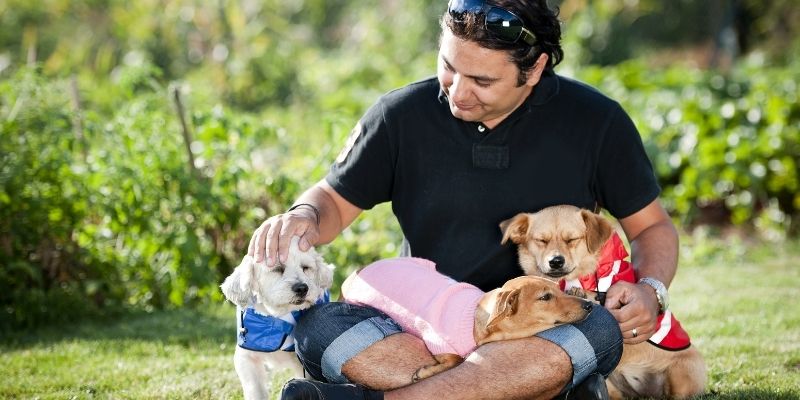
True healing begins with a deep change in communication and environment.
If you truly want to work on your dog’s health or behavior, you cannot skip the most important step. Whatever you plan to do, you must first remove stress.
Without eliminating stress, any therapy becomes only temporary masking. True healing begins with a deep change in communication and environment. This shift allows the microbiome and the nervous system to return to balance. To explore more about building a balanced connection with your companion, read our holistic behavior guidelines.
At Sasha Riess, we look past superficial symptoms to heal the deeper energetic and physiological imbalances. Eliminating stress from your dog’s environment is the first step toward true vitality and pureloveandharmony. Start your healing journey today:Linktree Sasha Riess
👉 Follow our Facebook page and never miss our latest articles, news, and updates.
by Sasha Riess | 03.07.26. | Nutrition
Transitioning to living food is a process of awakening the organism. This transition requires patience and careful preparation. Many owners give up at the very beginning. They become frightened by sudden reactions in the digestive tract.
To avoid this, you must first prepare the dog’s microbiome for a new type of energy.
Inflammatory Processes: A Sign of Awakening, Not Disease
When the digestive system receives living nutrients, a kind of “overflow” occurs. Lifeless food suppresses the gut for years.
Therefore, the inflammatory processes that may appear are not a reason to step back. These reactions show that the body is awakening and cleansing itself.
To make this process easier, we introduce prebiotics such as bone broth and broccoli. These ingredients serve as a foundation for the development of healthy bacteria. This step is essential to properly prepare your dog for healthy food.
Dental Hygiene in Dogs: Why a Bone Is Better Than Any Toothbrush
The Silence That Screams: Are We Leaving Our Unlived Wounds to Children and Dogs?
Does Reward Teach Your Dog or Create Trauma?
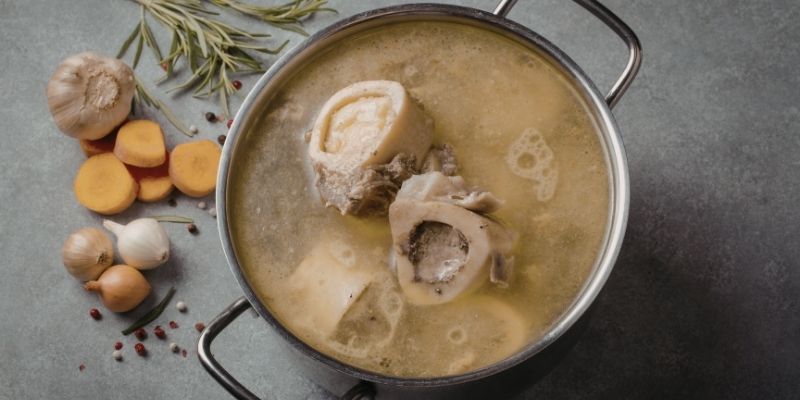
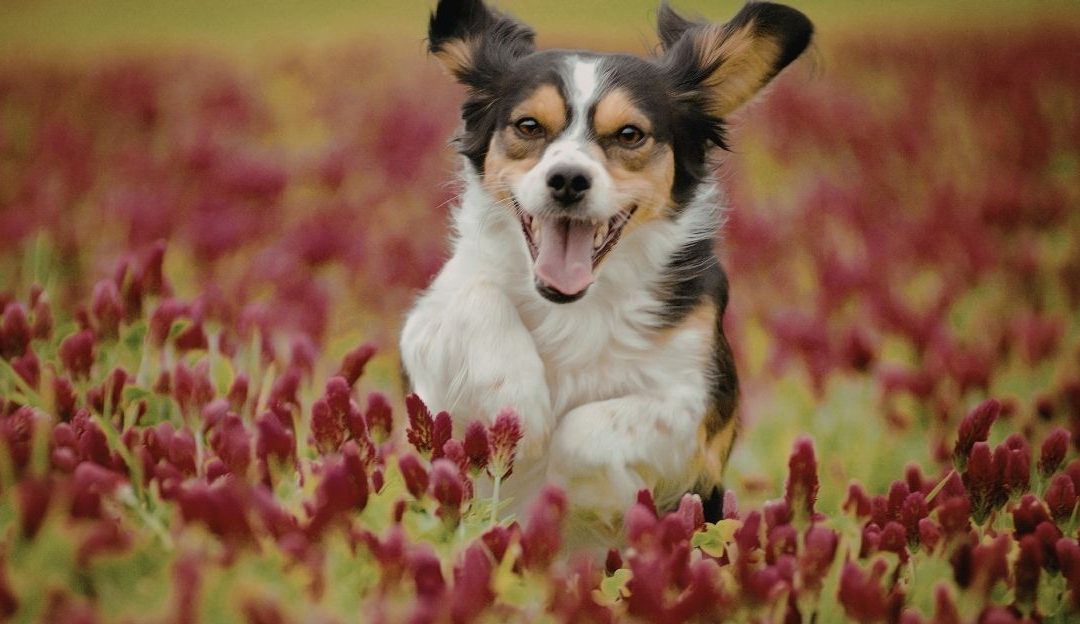
Preparing the microbiome begins with gentle and healing foods.
A Protocol for a Safe Transition: Micro-Steps to Prepare Your Dog for Healthy Food
To successfully navigate this process of change, you must follow a clear protocol. Preparation includes specific recipes such as medicinal cookies and light soups. These meals gently prepare the dog’s microbiome for what is to come.
On the portal formula.sashariess.rs, we share daily steps. You will find recipes for breads and meals that will help both you and your dog go through this process safely and consciously. Do not retreat at the first sign of cleansing. It is only a sign that life is returning to your dog’s body.
At Sasha Riess, we teach that true detoxification is a sacred step toward vitality. Walking this path with patience and understanding brings ultimate pureloveandharmony to your companion. Start your conscious journey today: Linktree Sasha Riess
👉 Follow our Facebook page and never miss our latest articles, news, and updates.