by Sasha Riess | 13.08.26. | Wellbeing
Why Late Spaying or Neutering in Large Breed Dogs May Affect Thyroid Function
The decision to remove a dog’s reproductive organs is often viewed as a routine surgical procedure. However, spaying and neutering dogs, even in mature or senior individuals, may have significant effects on the body’s hormonal balance.
Integrative veterinarian Dr. Judy Morgan has spoken about a concern observed in some adult dogs following sterilization procedures. According to this perspective, thyroid function may decline after the removal of reproductive organs, sometimes becoming noticeable within six to twelve months after surgery.
The resulting changes may not be immediately obvious. Symptoms can appear gradually and may include shifts in behavior, energy levels, skin condition, or overall wellbeing. Consequently, understanding the underlying physiological changes requires looking beyond the symptoms themselves and examining how the endocrine system functions as an interconnected network.
The Chain Reaction Within the Endocrine System
The endocrine system operates as a complex web of glands that communicate through hormones. When owners choose spaying or neutering dogs, other glands within the endocrine network must adapt to the new hormonal environment.
The adrenal glands, in particular, continue producing small amounts of sex hormones such as estrogen, progesterone, and testosterone. As a result, they may be required to compensate for some of the hormonal functions previously supported by the ovaries or testicles. Supporters of this theory suggest that this additional workload may place greater demands on the adrenal system over time.
Why Are Cushing’s Disease and Addison’s Disease Often Discussed?
Within holistic and integrative veterinary circles, discussions frequently focus on the relationship between adrenal health and endocrine disorders. Two conditions often mentioned are:
-
Cushing’s disease, associated with excessive cortisol production.
-
Addison’s disease, associated with insufficient adrenal hormone production.
Some practitioners believe that long-term endocrine stress following procedures like neutering dogs may contribute to the development of these conditions in susceptible individuals. However, many factors, including genetics and overall health, also play important roles.
When One Hormonal Source Is Removed
The body constantly works to maintain balance. When one source of hormones disappears, the endocrine system adapts by redistributing responsibilities among its remaining glands. Consequently, from a holistic perspective, this adaptation may influence thyroid activity, metabolism, energy regulation, and overall hormonal harmony.
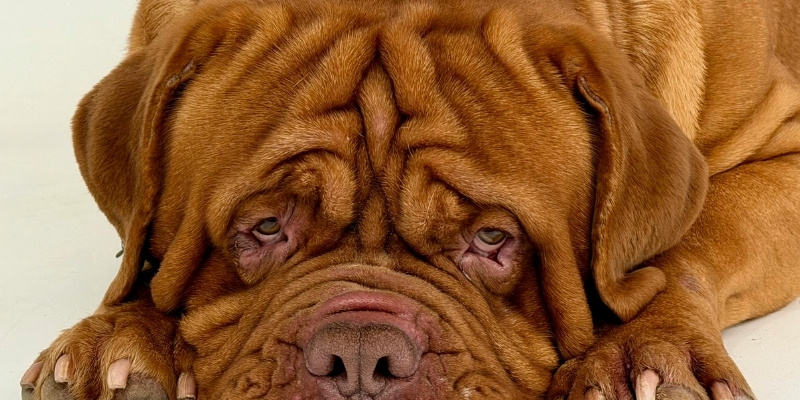
UNDERSTANDING THE SYSTEMIC IMPACT BEYOND INITIAL SYMPTOMS.
For this reason, many integrative practitioners encourage owners to carefully evaluate all potential benefits and risks before making decisions regarding elective sterilization procedures. Simultaneously, understanding these shifts allows guardians to offer better proactive support to their companions.
A Holistic Approach to Decision-Making
Every dog is unique. Age, breed, lifestyle, health history, genetics, and environmental factors should all guide decisions before choosing any major medical intervention. Therefore, a truly holistic approach involves gathering information, consulting trusted professionals, and making decisions based on the individual needs of the dog rather than following a one-size-fits-all recommendation.
Ultimately, the goal is not simply to prevent problems, but to support long-term health, balance, and quality of life for every animal.
Thank you for reading.
To discover more about how emotional alignment, balanced lifestyle, and authentic energy restore internal balance, read our canine wellbeing guidelines.
See you next time.
At Sasha Riess, we look past commercial labels to honor the unique biological blueprint of your companion. True health requires addressing the subtle internal patterns that create lasting vitality and pureloveandharmony. Discover the customized path to your dog’s longevity: Linktree Sasha Riess
👉 Follow our Facebook page and never miss our latest articles, news, and updates.
by Sasha Riess | 12.08.26. | Nutrition
When we buy commercial “fresh” or “natural” fresh pet food for our dogs, we often think only about the specific ingredients listed on the label. But rarely do we think about the complex journey that food must go through before it finally reaches our dog. Transport, packaging, and storage represent critical points in this process.
Consequently, if food does not contain strong preservatives, it naturally tends to deteriorate during transport and become contaminated with various dangerous pathogens. Therefore, the essential question remains: what truly happens to that food between the moment of production and the moment you place it in your dog’s bowl?
A Lesson Through Tears: The Trap of Convenience
We frequently witness painful moments when owners, faced with the severe consequences of their choices, deeply regret taking the easier path. The story of an owner crying while saying it was easier to buy ready-made fresh pet food than to cook, even though holistic veterinarians advised otherwise, serves as a clear warning for all of us.
Excuses such as “I don’t have time,” “I don’t know how,” or “I’m too tired” disappear instantly when the dog becomes ill. At that exact moment, we would give anything in the world to go back and choose the more difficult, but safer path.
The Responsibility of the Home Kitchen
The main goal of this discussion does not involve spreading fear, but rather promoting conscious responsibility. When you prepare fresh pet food for your dog yourself, you control every single step of the process.
There is no storage in inadequate warehouses, no transport in high temperatures, and no invisible pathogens developing inside sealed packaging. Simultaneously, what you prepare with care, attention, love, and full presence becomes the safest and healthiest meal you can offer your dog. Ultimately, that dedication represents an investment in your dog’s life that has no price.

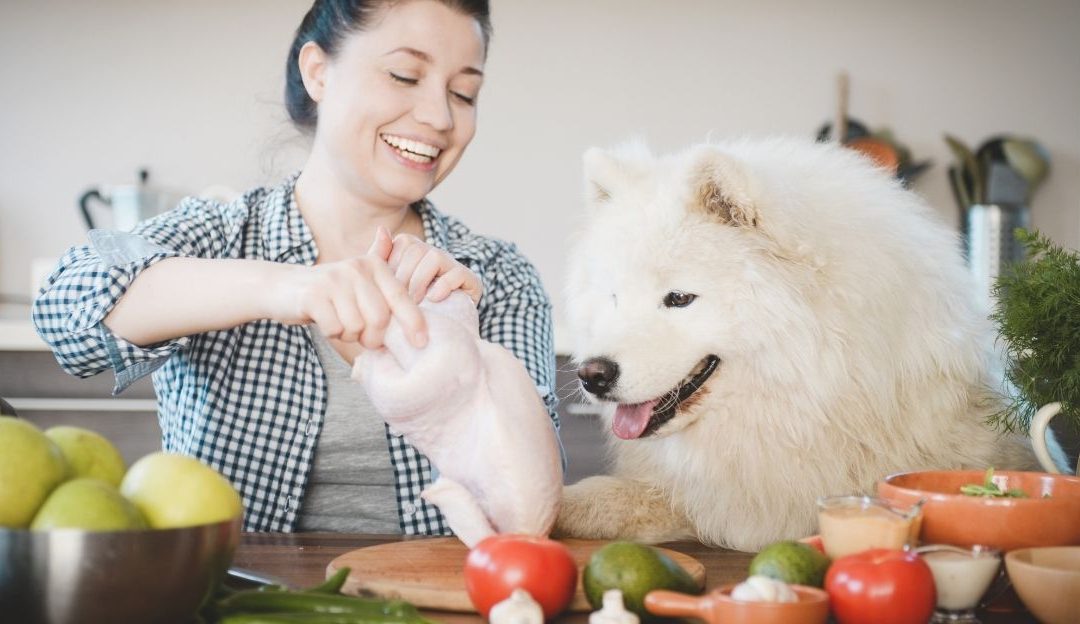
Transport, packaging, and storage are critical points where fresh pet food can easily deteriorate.
To discover more about how emotional alignment, balanced lifestyle, and authentic energy restore internal balance, read ourcanine nutrition guidelines.
At Sasha Riess, we look past commercial labels to honor the unique biological blueprint of your companion. True health requires addressing the subtle internal patterns that create lasting vitality and pureloveandharmony. Discover the customized path to your dog’s longevity: Linktree Sasha Riess
👉 Follow our Facebook page and never miss our latest articles, news, and updates.
by Sasha Riess | 11.08.26. | Behaviour
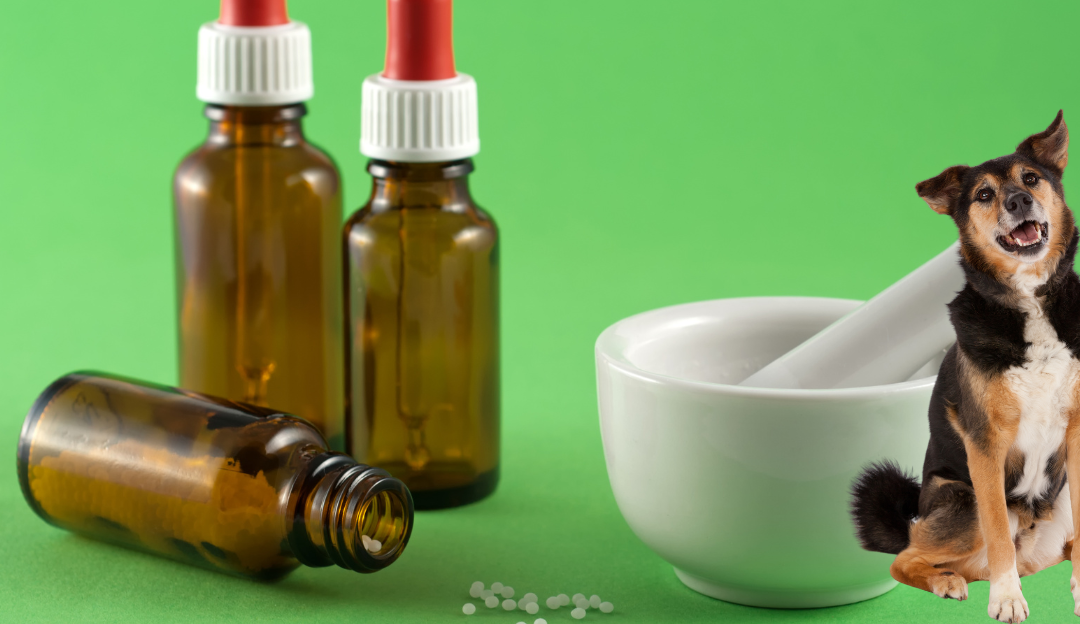
When homeopathy enters a conversation, people often imagine tiny sugar pellets or drops of water and wonder how something so simple could possibly possess healing power. The answer to how homeopathy works lies in the foundational concepts of physics, information, and energetic frequencies. Using specialized methods, practitioners transfer a precise energetic frequency of a specific plant or natural substance into a base of sugar or water, directly imitating wisdom found in nature. Consequently, when your dog takes that pellet or drinks that drop of water, it ingests information intended to stimulate the organism to recognize and eliminate the imbalance itself rather than heavy chemicals.
The Principle of Similarity: Micro Doses That Heal
Homeopathy relies on the ancient natural principle that “like cures like.” Certain plants or substances that cause specific symptoms in large quantities can, in extremely diluted homeopathic doses, produce the opposite effect and support the organism instead.
Therefore, by introducing this minimal and precise frequency, the dog’s immune system receives a clear signal encouraging the body to restore internal balance. However, this is precisely why many people view natural healing approaches as gentle forms of support that eliminate the heavy toxic burden often associated with strong chemical exposure to the liver and kidneys.
Active Cooperation With Professionals
Every holistic protocol we create for dogs includes detailed research into commonly recommended homeopathic preparations. Simultaneously, the main purpose involves helping owners become more conscious and active participants in discussions with health professionals. Through an interview conducted by a homeopath, owners describe the specific behaviors, habits, emotional patterns, and sensitivities of their dog.
Based on those details, the practitioner can determine an individualized constitutional approach more precisely. Ultimately, understanding how homeopathy works allows us to approach the body through the broader harmony of the organism itself, supporting awareness, balance, and the vitality of our closest companions.
To discover more about how emotional alignment, balanced lifestyle, and authentic energy restore internal balance, read our canine communication and behavior guidelines.
At Sasha Riess, we look past commercial labels to honor the unique biological blueprint of your companion. True health requires addressing the subtle internal patterns that create lasting vitality and pureloveandharmony. Discover the customized path to your dog’s longevity: Linktree Sasha Riess
👉 Follow our Facebook page and never miss our latest articles, news, and updates.

by Sasha Riess | 11.08.26. | Emotions
For something new to emerge, something old must be released. That process rarely feels pleasant. It carries uncertainty, fear, and a deep sense of loss. But, like in the well-known story of the eagle, it may represent the only way to survive and continue forward.
The Lesson of the Eagle: Vulnerability as the Path to Survival
After decades of life, the eagle reaches a point where its wings become heavy, its claws dull, and its beak too long for hunting. Consequently, it then retreats to an isolated place and does the unimaginable: it tears out its own feathers, breaks its claws, and strikes its beak against a rock until it shatters completely.
During this period, it cannot fly, cannot feed itself, and stands completely exposed to predators.
Therefore, if it does not go through this painful process, it will not survive. However, if it successfully completes this challenge, it gains decades more life.
The Brain’s Resistance to a New Life
Every movement of a spiritual being toward an inner awakening through physical reality brings discomfort to the body and mind. This is the exact moment of inner awakening when a person becomes most afraid of everything. Your brain and your body are programmed to survive within what remains familiar, and they will strongly resist every change that leaves them “without a beak and feathers.”
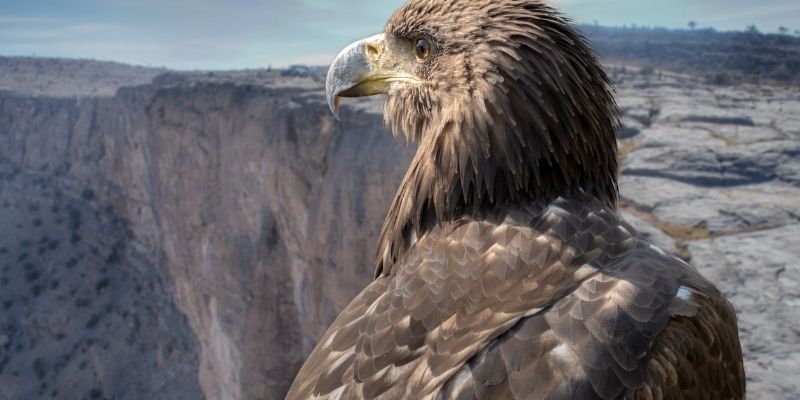
Like in the well-known story of the eagle, transformation may be the only way to survive and continue forward.
Yet it is precisely in that darkness, when we stop relying on old patterns, that life begins to appear before us in an entirely new form. Simultaneously, what frightens us the most often constitutes exactly what transforms us. Do not retreat from the pain of transformation. Ultimately, it serves as a clear sign that the old armor is falling away to make space for the wings that will carry you forward.
To discover more about how emotional alignment, balanced lifestyle, and authentic energy restore internal balance, read our canine emotions guidelines.
At Sasha Riess, we look past commercial labels to honor the unique biological blueprint of your companion. True health requires addressing the subtle internal patterns that create lasting vitality and pureloveandharmony. Discover the customized path to your dog’s longevity: Linktree Sasha Riess
👉 Follow our Facebook page and never miss our latest articles, news, and updates.
by Sasha Riess | 10.08.26. | Behaviour
In the world of dogs, every time you leave the house, the dog perceives this action as going on a hunt. Hunting represents the most dangerous reason for separation because anything can happen during it, such as an attack from another predator or a severe injury.
Furthermore, a dog has no perception of time. Consequently, the dog does not know whether you have been gone for five minutes or three hours. It only knows that you left and that you returned.
The Trap of Excessive Attention
The biggest mistake we make lies in the ritual of returning home. We often walk in saying, “Kids, I’m home!” or immediately begin petting the dog. However, from the dog’s perspective, this behavior confirms that the “hunt” was indeed dangerous and that your return constitutes something extraordinary. In this way, we unconsciously feed the dog’s insecurity and its fear of the next separation.
The Rule: Don’t Look, Don’t Talk, Don’t Touch
When you execute a calm arrival home, act like the leader of a pack returning from completed work. Put down your bag, take off your jacket, and calmly continue with your routine without rushing.
Therefore, do not immediately look at the dog or speak to it. You have successfully completed your “hunt,” and the dog should remain calm and in its place.
Simultaneously, only when the energy in the room has completely settled, and the dog becomes neutral to your presence, should you initiate calm contact. Calm arrivals teach the dog that your departure and return represent completely normal and safe parts of life. Ultimately, the calmer your return, the safer your dog feels within the rhythm of everyday life.
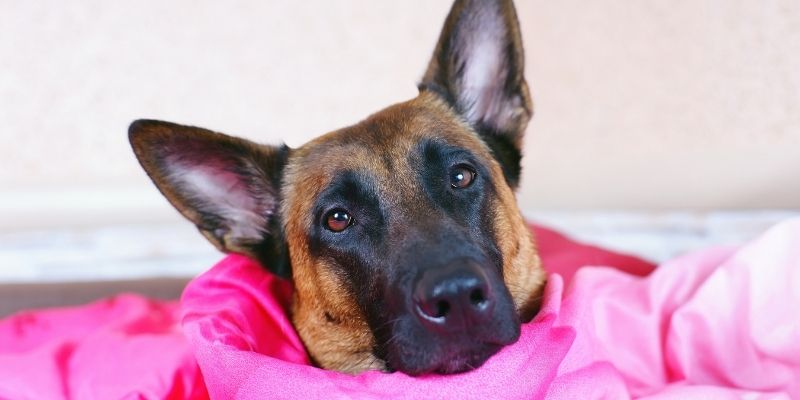
The place where the dog stays should be his oasis of peace, not a place for panic.
To discover more about how emotional alignment, balanced lifestyle, and authentic energy restore internal balance, read our canine communication and behavior guidelines.
See you next time.
At Sasha Riess, we look past commercial labels to honor the unique biological blueprint of your companion. True health requires addressing the subtle internal patterns that create lasting vitality and pureloveandharmony. Discover the customized path to your dog’s longevity: Linktree Sasha Riess
👉 Follow our Facebook page and never miss our latest articles, news, and updates.