
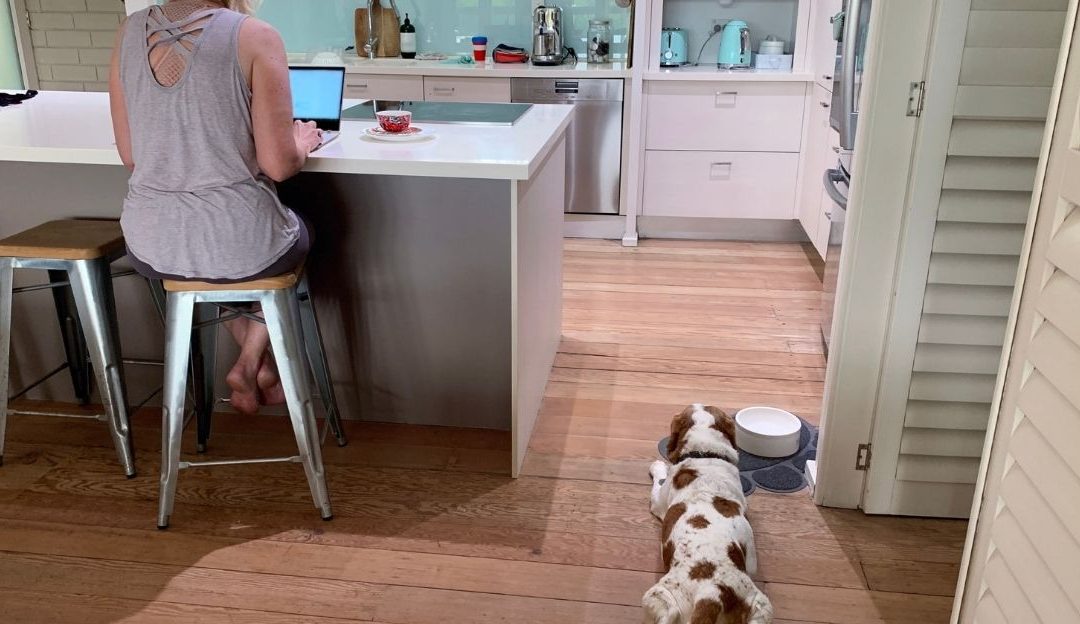
The first seventy two hours with a dog are the period in which the dog evaluates whether it is safe or whether it must enter survival mode.
The First 72 Hours With a Dog as a Biological Adaptation Mechanism
It does not matter whether you bought the dog in a pet shop six weeks ago or ten months ago. It does not matter whether you found the dog on the street, adopted it from a shelter, took it from an abandoned yard, or rescued it from a cage.
The moment a dog enters a new environment a clock starts inside its system. Those first seventy two hours determine how the dog will behave in the future and what kind of bond it will build. That clock lasts exactly seventy two hours.
In humans something similar happens at birth. A baby enters the world with a mechanism for forming emotional attachment switched on. Science still cannot define precisely when this mechanism switches off, but one thing is clear: it is active at the beginning of life and later gradually closes.
In dogs it works differently. In a dog this mechanism activates every time the environment changes:
- A new home.
- A new person.
- A new emotional atmosphere.
At that moment a window of seventy two hours opens and closes three days later.
Why the First 72 Hours With a Dog Are Crucial for Safety
It does not matter whether the dog is a puppy, four years old, or fifteen. It does not matter whether it comes from a breeder, the street, or a shelter. The dog brain always searches for one thing: a safe emotional bond.
Those three days are not magic. They are a biological survival strategy. During this period the dog observes, absorbs, and adapts. It seeks the answer to one question:
- Is it safe here?
- Can I relax here?
Will I have to carry someone else’s emotions here?
The Dog Searches for a Safe Emotional Bond With a Human
A dog does not adapt because it wants to. A dog adapts because it must. It is constantly scanning the human’s emotional state to determine its own position in the new hierarchy of the home.
Ear and Tail Docking in Dogs: When It Is Justified and When It Is Not
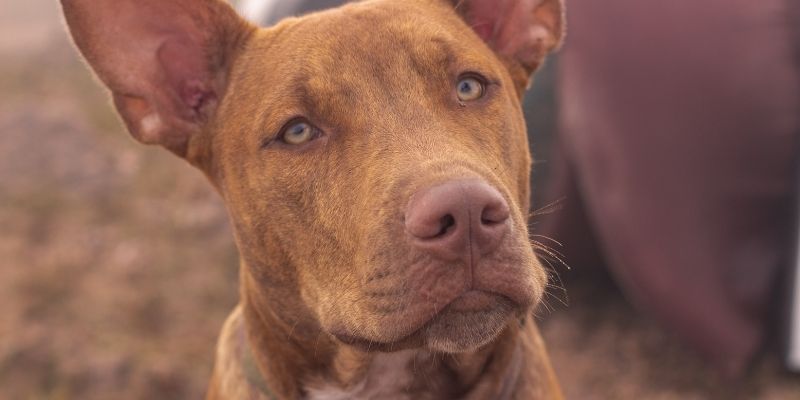
A dog does not adapt because it wants to, but because it must.
What People Most Often Do Wrong
During those seventy two hours people often unconsciously make a mistake. Instead of stability the dog receives projection:
- Human fears.
- Human sadness.
- Human expectations.
- The need to fix something.
Then the dog begins to carry what it does not understand. Not because it can, but because it must.
If We Remain Stable the Dog Changes Everything
If we stay calm, consistent, and emotionally stable, the dog changes its behavior. Not because of us, but because of itself. This is not obedience. This is not rescuing a human. This is survival strategy.
That is why a dog is not your savior. It does not come to solve your emotional problems. It comes to see whether it has finally found a place where it does not have to carry them.
If we fail in the first seventy two hours, the dog does not learn trust. It learns survival.