

More and more often, I hear from owners who describe their dogs as anxious, reactive, fearful, or overly sensitive — and no one seems to know why. Behind these behaviors often lies a hidden mineral imbalance: too much copper and not enough magnesium. This delicate relationship profoundly affects both the health and behavior of dogs, yet it’s rarely discussed.
The Link Between Copper Toxicity and Magnesium Deficiency
Over the years, I’ve seen how excess copper can deplete magnesium — in both humans and dogs. You can give your dog the best supplements, but if the body is overloaded with copper, magnesium simply won’t stay. That’s why copper detoxification is the first step — but it must be done slowly and safely, never abruptly. Copper toxicity in dogs acts as a silent saboteur of mineral balance.
Estrogen Imbalance and the Role of the Adrenal Glands
In spayed female dogs, the adrenal glands take over a small part of hormone production — estrogen in females, testosterone in males. However, when the body is burdened with copper, hormones can’t function properly. The result is a dog that appears nervous, fearful, or reactive — and owners often misinterpret this as a behavior issue, when in fact it’s biochemical.

Behavioral Changes Caused by Excess Copper
Hair Tissue Mineral Analysis (HTMA) shows that hyper-reactive dogs often have elevated copper and low levels of magnesium and zinc. These dogs are not simply ‘difficult’ — they are struggling with a physiological imbalance that affects their nervous system, heart, and energy levels.
There’s no magic pill that fixes this overnight. What we can do is gradually help the dog eliminate excess copper through lifestyle changes and natural nutrition. Only when that balance is restored can the body retain minerals where they’re needed.
The Hidden Epidemic of Copper Overload
Scientists now speak of a silent epidemic — copper toxicity in dogs and magnesium deficiency. Copper is everywhere: in water, food, and even supplements. Deficiency is almost impossible today, but overload is very real and dangerous.
Excess copper pushes magnesium out of the body, directly affecting heart function, the nervous system, and energy. This imbalance is linked to increased cardiovascular problems, fatigue, and hyperreactivity.
Can a Dog Think Negatively? How Dogs Absorb Our Anxiety
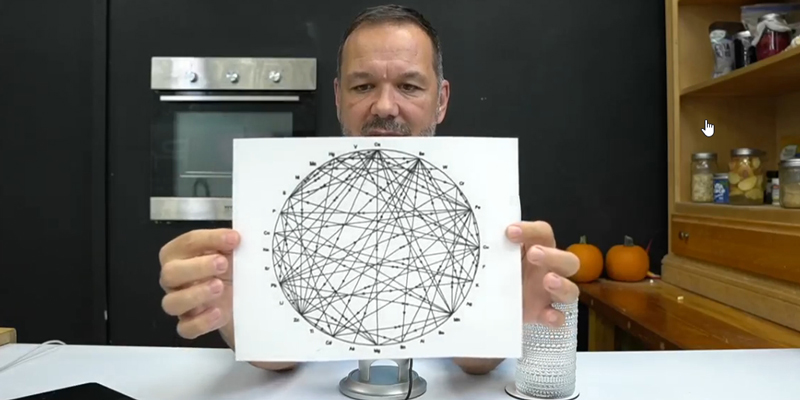
The diagram shows how minerals interconnect and impact a dog’s health and behavior.
How to Help Your Dog — A Step-by-Step Approach
-
Never remove copper abruptly: Copper is essential, but too much creates imbalance. It works in partnership with zinc to regulate brain function. The goal is balance, not elimination.
-
Avoid food enriched with copper: Most dry kibble contains added copper, increasing the toxic load.
-
Include natural mineral sources: To neutralize copper toxicity in dogs, use zinc, magnesium, manganese, and vitamin A. These are best from whole foods: red meat, egg yolks, pumpkin seeds, and leafy greens. Note: Avoid liver for reactive dogs as it is very high in copper.
-
Support the liver: Herbs like milk thistle (silymarin), dandelion root, and artichoke root support the liver’s detox process.
Balance Is the Key to Health
Copper isn’t the enemy — it’s vital for life. But when it builds up, it becomes a silent saboteur. Balance between copper, zinc, and magnesium is essential. If your dog seems reactive, anxious, or restless, the issue may not be behavioral — it may be biochemical. With proper nutrition, a calm environment, and patience, the body can restore its natural balance.
At Integrative and Holistic Grooming Education, we believe that every physical symptom is a message. Understanding these signals and addressing them through a holistic lens is at the heart of everything we teach to ensure the well-being of every dog in our care. Learn more about our Holistic Approach.