
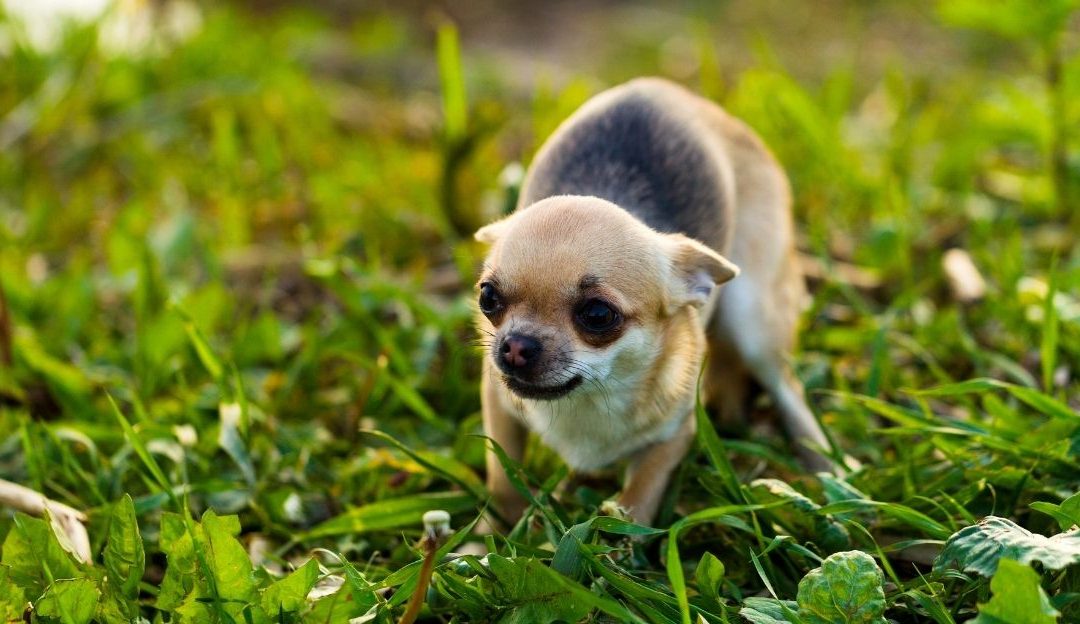
Should a happy, well-adjusted dog let everyone pet or pick them up? In a recent episode of “1000 Whys – 4 Truths,” a dog owner shared her concern: her dog growls and snaps whenever someone tries to lift him. This raises a deeper question: why should anyone touch a dog if the dog doesn’t want to be touched?
A Dog Is Not a Toy
Many owners unconsciously see their dogs as beings that “must be nice to everyone.” But that belief often reflects our own conditioning — the need to please, to always appear kind and agreeable, even when we feel otherwise inside. When we project that onto our dogs, we expect them to behave the same way — calm, polite, and endlessly patient. Yet, a dog is not an extension of our personality. A dog is a sentient being with boundaries, memories, and emotions of its own.
Pack, Family, and Boundaries
A dog is a social being — but when living with humans, the “pack” becomes a family system with different rules. A wolf pack consists of parents and their offspring. Our families with dogs are not packs — they are interspecies groups built on emotional connection and a sense of safety.

For the dog, the human represents that safety. When the family lacks harmony — when parents don’t respect each other, or the home is filled with tension — the dog feels it deeply. In such an environment, the dog doesn’t know whom to rely on, and this uncertainty often manifests as growling, snapping, or avoiding touch.
Change Creates Insecurity
When guests visit or a new family member arrives, the dog must “remap” its social world. If there’s no stable, trusted figure, the dog can’t relax. Each change in the household forces the dog to find its place again. In balanced families, where respect and emotional clarity exist, the dog feels calm and secure. But in unstable relationships, where roles and boundaries blur, the dog can’t be stable — because no one else is.
Why the Dog Doesn’t Want to Be Picked Up
If a dog growls when someone tries to lift them, it’s rarely aggression — it’s fear or loss of control. They might have been hurt before, mishandled, or traumatized as puppies. Or they may simply dislike being restrained.
Dogs also mirror their owners’ unresolved emotions. If a person has experienced abuse — emotional or physical — and hasn’t fully healed, the dog can reflect that energy through defensive behaviors. It’s not coincidence. Dogs perceive our energy and subconscious patterns. When the owner begins to heal and integrate their own experiences, the dog often calms down naturally.
Should Dogs Eat Raw Meat? The Differences Between Dogs and Wolves
Red Tears in Dogs: Causes, Emotions, and Natural Solutions

Trust is built with patience and understanding, not force.
How to Help a Dog That Fears Touch
The answer isn’t to “force the dog to get used to it.” It’s about rebuilding trust — slowly, gently, and respectfully. Through desensitization, the dog learns that touch doesn’t mean threat, and that humans can be close without control or pressure. A good professional or a well-designed guide can help you work with dogs that fear handling or have lost their sense of safety.
What the Growl Really Means
A dog that growls when someone tries to pick it up is not “bad.” It’s saying: “I’m not sure. I don’t trust you yet.” Understanding, patience, and the family’s emotional stability can help the dog feel safe again — and rediscover that human touch is not a threat, but an expression of love and trust. This is the foundation of a healthy interspecies family.
At Integrative and Holistic Grooming Education, we teach that a growl is a conversation, not a conflict. Respecting a dog’s „no“ is the first step toward a deeper „yes.“ Learn to listen to your dog: Linktree Sasha Riess
Sasha Riess Harmony Conditioner for Dogs