
Urinary incontinence in dogs, especially in spayed females, is a common and unpleasant issue that can seriously affect quality of life. Although it is usually treated with medications such as Propalin, there are natural methods that can help regenerate and strengthen the bladder.
Why Incontinence Occurs After Spaying
After spaying, female dogs experience a decrease in estrogen, the hormone that helps keep the muscles around the bladder strong. When there is not enough estrogen, the sphincter, the muscle that closes the bladder, weakens and urine leaks uncontrollably, most often while the dog is sleeping or relaxed. This is not a disease in itself but a consequence of hormonal imbalance and physiological change in the body.
Conventional and Holistic Therapy
Veterinarians usually recommend hormonal drugs that replace estrogen, such as Propalin syrup. These often help, but long-term use can burden the adrenal glands. The holistic approach combines mild phytotherapy, proper nutrition, and emotional support. The goal is for the body to regain strength and restore natural balance on its own.
Initial Assessment and Observation
Before starting natural therapy, it is necessary to have a veterinary examination to rule out infections, bladder stones, tumors, or neurological issues. Then observe:
-
When leakage occurs (during sleep, excitement, or after drinking water)
-
Whether the dog shows stress, sadness, or insecurity
-
Whether the problem appeared after sterilization
-
The type of diet and level of physical activity
Lifestyle Adjustments
-
A calm environment: a dog that lives without stress regulates body functions more easily. Never punish a dog for urination, as it only worsens the condition.
-
Hydration: use filtered water and add a little aloe vera juice or chlorophyll.
-
Movement and massage: gentle belly and back massages improve circulation and muscle tone.
Suffering as a Path: How a Dog Reveals the Real Price of Our Choices
Rescuing Dogs: Love, Control, or Self-Destruction?
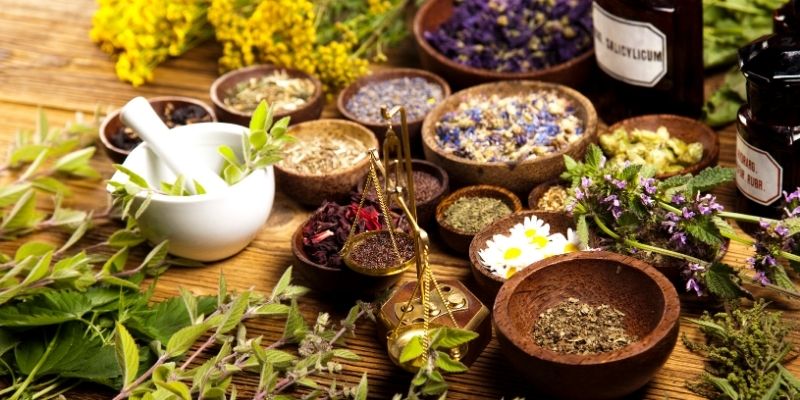
Natural supplements and herbs help strengthen the sphincter and restore hormonal balance in spayed dogs.
Nutrition and Herbal Support
-
Phytoestrogens – natural hormonal balance
-
Ground flaxseed: 1/2 teaspoon daily
-
Red clover tea: add 1–2 tablespoons to the meal
-
Fermented soy or tempeh: 1 tablespoon twice a week
-
-
Corn silk (Zea mays): 1/4 teaspoon powder per 5 kg of body weight, twice a day
-
Saw Palmetto: 100 mg per 10 kg of body weight daily
-
Chinese formula – Sang Piao Xiao San: Used for older dogs and spayed females (consult a professional in Chinese phytotherapy).
-
Additional support: Nettle tea, pumpkin seeds, cranberry extract.
Homeopathic Support
-
Causticum 30C – for leakage during sleep
-
Sepia 30C – for females after spaying
-
Pulsatilla 30C – for emotional dogs under stress
-
Give 1–2 pellets daily for seven days, then take a break and observe.
Skin and Hygiene Care
Trim the hair around the genital area and tail. Use wet wipes with chamomile, calendula, or aloe vera. Bathe the dog regularly with a mild shampoo and conditioner. Wash bedding with the addition of vinegar for natural disinfection.
Emotional Support and Monitoring
Incontinence often reflects emotional states such as fear of abandonment, sadness, or insecurity. A dog who receives attention, affection, and calm surroundings improves more quickly. Keep a diary: note changes, behavior, and leakage frequency. Progress usually appears within four to six weeks.
Prevention
Do not rush with sterilization until the dog is physically mature. Maintain an ideal body weight. Use fresh, natural nutrition and regular activity.
Final Message
Urinary incontinence is not just a physical issue but often a message from the body and soul. By caring for your dog’s diet, emotional balance, and environment, you support healing from within.
At Integrative and Holistic Grooming Education, we look at the whole being. When the body speaks through symptoms, we listen with care and science. Support your dog’s natural balance: Linktree Sasha Riess