
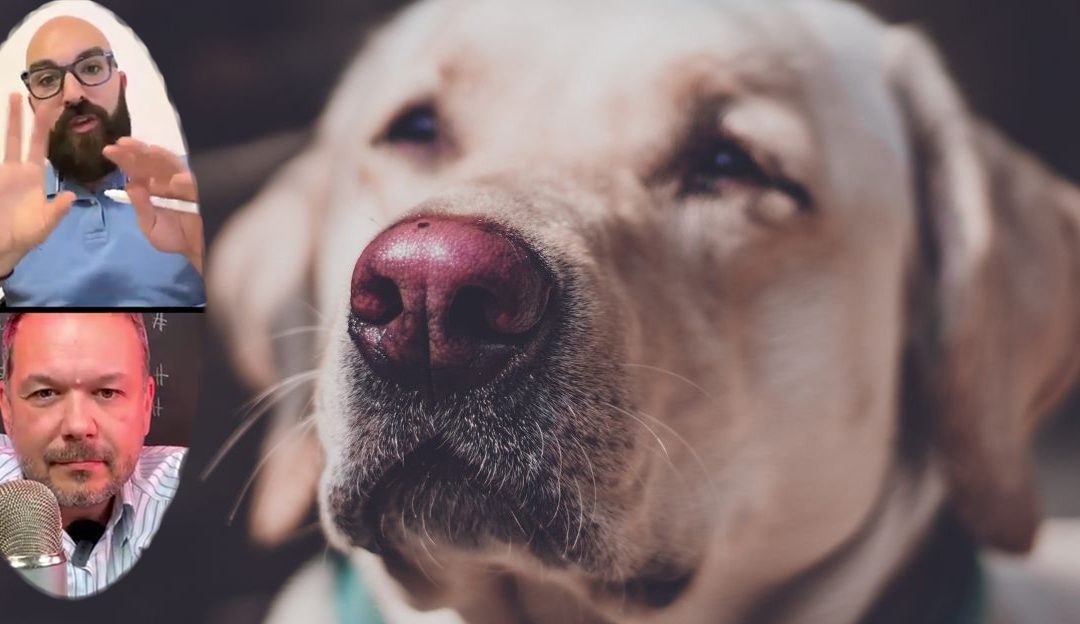
When therapy dogs help humans, where does love end and burden begin? In the new episode of the series Sometimes at Eight, Sasha Riess talks with Svetozar Stevin, founder of the organization Friendly Paw, about the role of therapy dogs in people’s lives and their wellbeing. The full video conversation is available below, and here are the key points and messages from this open and sincere discussion.
How Therapy Dogs Help Children and the Community
Svetozar Stevin, a physiotherapist and occupational therapist by profession, has worked for years with both typically developing children and those with developmental challenges. As he explains, his love for dogs merged naturally with his professional calling.
“Even during my studies, I tried to combine working with children and my love for dogs. That was when I first heard about therapy dogs and guide dogs for the blind. I began learning, connecting with professionals abroad, because at that time, there was almost nothing like that in our country.”

Together with veterinarian and behaviorist Dunja Kovac, Svetozar formed the first team in Serbia focused on including dogs in work with children, both in individual and group settings. As he says, the goal is not only to provide support for children but also to educate the community about what dogs truly are and what their real needs are.
The Legal Status of Therapy Dogs in Serbia
One of the key topics discussed was the lack of legal regulation regarding the status of therapy dogs in Serbia. “In our legal system, the terms rehabilitation dogs and therapy dogs appear, but nowhere is it precisely defined what they are allowed to do, under which conditions, and who is qualified to train them.“
Unlike in countries such as Croatia, where therapy dogs can freely enter hospitals, in Serbia this work is still mostly limited to kindergartens. Since 2017, Friendly Paw has succeeded in introducing therapy dog programs into public kindergartens in Novi Sad, where children learn about dogs, emotions, and empathy.
When Therapy Dogs Absorb Human Emotions
Later in the conversation, Sasha Riess raises a rarely discussed question: do dogs actually suffer because they are placed in service to humans? “Are dogs truly serving humans, or have they become victims of that service? When a dog takes on our emotions, stress, and trauma, what is the cost to its health?”
Sasha adds that many people forget the physiological side of the story. Hormones, cortisol, stress, the sympathetic nervous system — all of these affect the dog just as they affect humans. Therapy dogs must often be sterilized to minimize hormonal imbalance and prevent stress responses. This highlights the importance of canine emotional labor, where the dog’s well-being must be the priority.
Rescuing Dogs: Love, Control, or Self-Destruction?
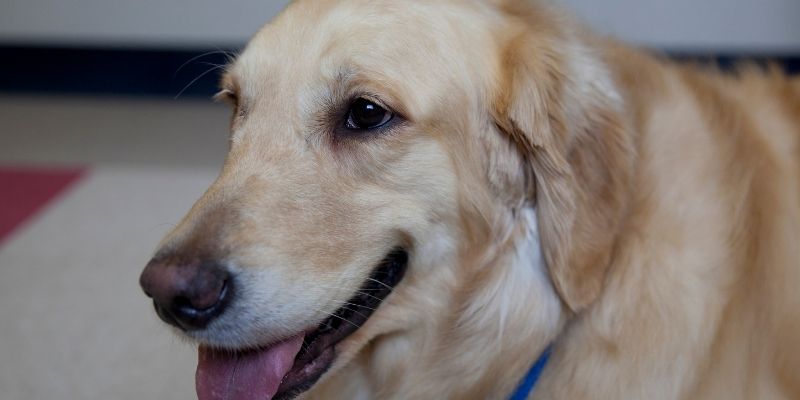
Therapy dogs help people in hospitals and schools every day.
How Education Supports Therapy Dogs and Their Handlers
“If we want to evolve in anything, we have to start with ourselves,“ says Svetozar. He emphasizes that every interaction with a dog carries the potential for learning but also the responsibility of self-reflection. Through a decade of work, he has often faced situations that reminded him that every encounter requires presence, attention, and continuous growth.
A Dog in Service to Humans – Choice or Destiny
The conversation also touches on the philosophical side of the human-dog relationship. Svetozar shares an example of a street dog from his neighborhood who voluntarily follows children to school. “He has his own mission. He chose to care.”
Sasha Riess adds that dogs, unlike humans, never lose connection with their nature. “Humans are the only species that can create an environment in which they themselves cannot survive. A dog, no matter how much it serves, always knows where it belongs.”
Open Questions That Remain
The conversation ends with many questions left to resonate:
-
Is a therapy dog a helper or a victim?
-
Can love justify the stress a dog absorbs?
-
Where is the line between helping and exploiting?
“These are topics that cannot be exhausted,“ concludes Svetozar. This episode opens the eyes of dog owners, parents, and educators to the reality of canine emotional labor and the science behind the service.
At Integrative and Holistic Grooming Education, we believe that true therapy starts with respecting the dog’s autonomy. When we protect their peace, they can truly heal us. Explore the ethics of connection: Linktree Sasha Riess
Sasha Riess Pure Love & Harmony Duo Pack The Complete Dog Coat Care System