
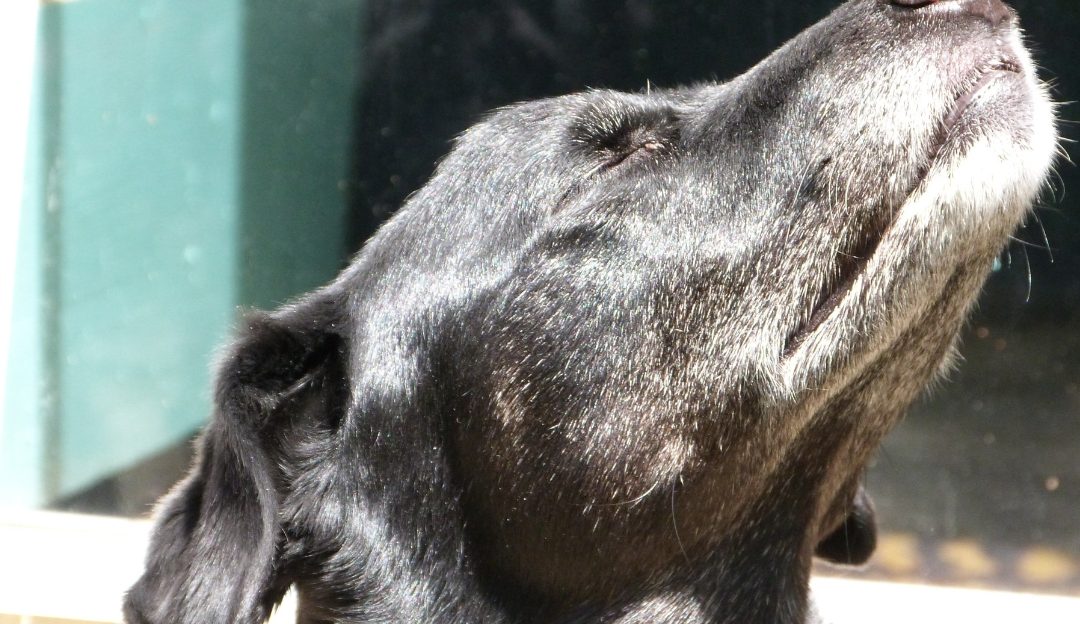
When we walk into our homes and say, “It smells wonderful in here,” we rarely stop to think about what we have actually experienced. For humans, scent is far more than chemistry. It represents cleanliness, warmth, belonging, and safety. The smell of freshly washed laundry, a cake baking on a Sunday afternoon, or the perfume of someone we love can awaken memories we thought we had long forgotten. Throughout life, our brains learn to associate certain scents with love, family, and the places where we once felt protected.
Consequently, understanding the scent of the downfall of modern love helps us recognize how synthetic fragrances alter the invisible chemical reality our dogs rely on every single day. We buy scented candles, air fresheners, essential oil diffusers, fabric softeners, perfumes, and countless other products not simply because we want our homes to smell pleasant, but because we are trying to recreate a sense of security that many of us deeply long for.
Yet we rarely ask ourselves a much more important question: What does a home smell like to a dog?

A World of Scent: Two Completely Different Chemical Realities
At first glance, this question may seem almost meaningless. Most people assume that dogs simply smell the same scents humans do, only more intensely. The truth is entirely different. Dogs do not live in the same world of scent that we do.
In fact, humans and dogs do not share the same chemical reality. What is only a faint aroma to us becomes an intricate structure for a dog, where every chemical signal is composed of thousands of different molecules. What we casually call a scent is actually a mixture of volatile chemical compounds entering the body through the nasal cavity. To humans, these are merely pleasant or unpleasant impressions. To dogs, they are information essential for understanding the world.
Over millions of years of evolution, nature did not develop the sense of smell so organisms could enjoy pleasant aromas. It developed it so they could survive. For dogs, scent has always been the primary tool for locating food, finding mates, recognizing territory, assessing another animal’s health, and detecting stress, fear, or danger. Long before a dog sees or hears something, it will often smell it first. Therefore, a dog’s nose represents far more than a breathing organ; it is one of the most sophisticated biological information-gathering systems nature has ever created.
The Anatomy of the Muzzle: Decoding the Environment
Humans possess approximately six million olfactory receptors. Dogs, depending on the structure of their muzzle, may have anywhere from around 125 million to as many as 300 million scent receptors. Yet the story of canine smell does not end with receptor numbers alone. It begins much deeper, within the architecture of the dog’s head itself.
A dog’s muzzle is a highly specialized structure where incoming air is directed, filtered, slowed, and separated through an intricate system of nasal passages. Inside are bony structures known as nasal turbinates, which are covered by the olfactory epithelium. In humans, this system is relatively small and simple. In dogs, it is dramatically more developed, more complex, and specifically adapted to process enormous quantities of scent information.
That is why dogs do not simply „smell“ the world the way humans do. They separate it, categorize it, compare it, and read it.
Selective breeding has further enhanced this remarkable ability, especially in scent hounds, tracking dogs, and hunting breeds. Their long, drooping ears lift, trap, and direct scent molecules toward the nose as they move close to the ground, while folds of skin and tactile whiskers around the muzzle assist in detecting subtle air currents, physical contact, and environmental changes immediately ahead. Humans selectively bred them this way not because dogs wanted to become trackers, but because we shaped their anatomy to serve our own needs.
The muzzle, nasal turbinates, olfactory epithelium, scent receptors, the vomeronasal organ, tactile whiskers, skull shape, breathing patterns, and the way the brain processes chemical information all work together. Dogs with longer muzzles have more room for these complex scent-processing structures than humans do, and in certain breeds and bloodlines this ability is exceptionally well developed. Estimates suggest dogs detect certain odors thousands, and in some cases tens of thousands, of times better than humans. This means they live within a layer of reality that remains almost completely invisible to us.
Walls That Speak: How Dogs Read the History of Our Homes
We will never truly understand canine behavior if we continue viewing the world only through human senses. A person enters a room and sees furniture; a dog enters that same room and reads the history of everything that has happened there.
To a dog, the floor is a map of everyone who has walked across it. A sofa is a collection of scent memories left behind by people, animals, food, emotions, and countless events that took place upon it. Every molecule tells a story, and the dog’s nervous system constantly attempts to connect those stories into a meaningful whole.
The problem begins when humans choose chemistry over nature. The modern home has become one of the most chemically saturated environments a dog can inhabit. Scented candles release volatile organic compounds, air fresheners continuously add new layers of synthetic fragrance, and cleaning agents, fabric softeners, perfumes, and cosmetics constantly alter the chemical composition of the air dogs breathe.
Humans often say their homes smell clean, but dogs enter the same environment and encounter a chemical landscape that has never existed anywhere in nature. This is simply biology. Every molecule entering the body must be recognized, processed, and eventually eliminated if it serves no biological purpose. The body has no special category for „candle fragrance,“ „perfume,“ or „air freshener.“ To liver cells and other detoxification systems, these are simply chemical compounds that require processing. The greater their number, the greater the physiological burden placed upon the systems responsible for maintaining internal balance. Homeostasis is never free, as every adaptation carries an energetic cost.
Erasing Reality: When Synthetic Chemistry Replaces Nature
We have almost completely removed natural scents from the lives of our dogs. When we wash the floor with strong chemical cleaners, spray synthetic fragrances throughout the house, or cover our own natural scent with heavy perfume, we do not simply add a new smell—we erase information that already existed.
To humans, this creates a pleasant feeling of freshness. To dogs, it is as though someone has erased part of the world they once knew how to read. Imagine opening the book of your life every morning only to discover that someone had erased half of its pages overnight. That is remarkably similar to how a dog’s world feels when natural chemical information gives way to synthetic scents.
Simultaneously, one of the most fascinating abilities of the canine nose is its capacity to detect changes in human body chemistry associated with different emotional states. When humans experience stress, the sympathetic branch of the autonomic nervous system becomes activated. Adrenaline and cortisol release into the bloodstream, heart rate increases, breathing patterns change, and sweat and sebaceous glands produce a different chemical composition.
Truly Feel Your Dog: How Our Inner Energy Shapes Their Reality
What Is the True Price of an Obedient Dog and What Really Stands Behind Obedience
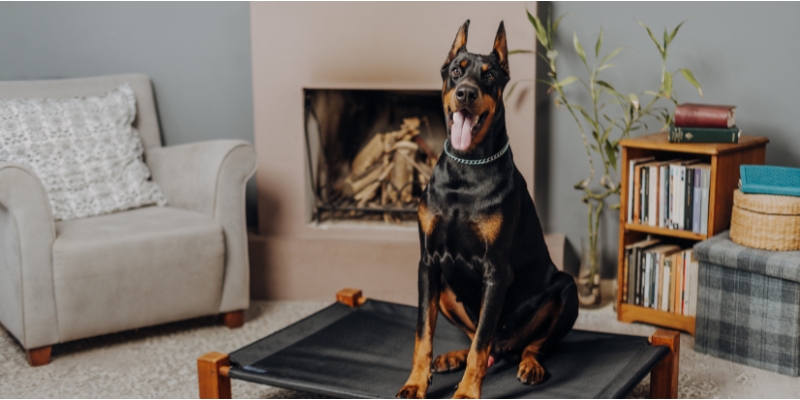
THE MODERN HOME REPRESENTS A COMPLEX CHEMICAL LANDSCAPE THAT DIRECTLY IMPACTS A DOG’S INTERNAL BALANCE.
Humans rarely notice these subtle changes, but dogs do. To them, these changes represent entirely new chemical information. Our scent changes, and dogs smell the biochemical changes that stress creates within our bodies. That is why dogs often begin behaving differently long before we consciously realize we are under stress. While we continue smiling and convincing ourselves everything is fine, our bodies are already communicating something entirely different. To a dog, no separation exists between what we say and what our bodies emit. Its nose detects what our biology cannot hide.
What humans call a dog’s intuition is often nothing more mysterious than the extraordinary ability of its nose to detect the biochemical changes accompanying our emotional state.
Love as Responsibility Toward Biological Reality
Perhaps some people will consider all of this an exaggeration, but one simple question remains: Why do we assume that what is pleasant for our noses must also be pleasant for an animal possessing nearly fifty times more scent receptors? Why do we continue believing dogs experience the world the way humans do when biology has demonstrated for decades that the sense of smell represents one of the greatest differences between our species?
The answer lies in our natural tendency to view every other species through our own senses. The problem is that a dog is not a human with four legs. A dog is a species whose perception of reality has been shaped by an entirely different evolutionary story.
The next time we decide to introduce another artificial fragrance into our homes, perhaps we should first ask ourselves whether we do it for ourselves or for our dogs. If the answer is that we do it for ourselves, an even more important question follows: Are we prepared to accept that every decision we make becomes part of the biological reality of the living being that shares its life with us?
We talk about a dog we often claim to love more than anything else, sometimes even more than our parents or closest friends, in a world where modern loneliness has become ordinary. Ultimately, if that truly is love, then love cannot remain only an emotion—it must also become responsibility.
Thank you for reading.
To discover more about how emotional alignment, balanced lifestyle, and authentic energy restore internal balance, read our communication and behavior guidelines.
See you next time.
At Sasha Riess, we look past commercial labels to honor the unique biological blueprint of your companion. True health requires addressing the subtle internal patterns that create lasting vitality and pureloveandharmony. Discover the customized path to your dog’s longevity: Linktree Sasha Riess
Прикажи ову објаву у апликацији Instagram