
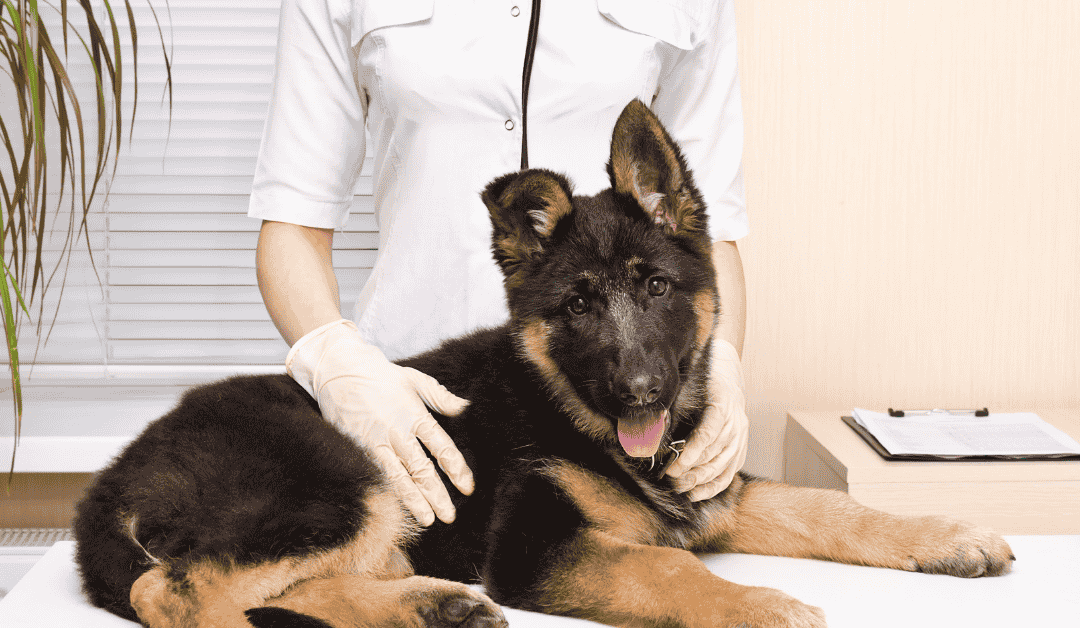
Parvovirus in dogs is a disease that is rarely discussed openly, even though it is extremely dangerous and can have fatal consequences. From personal experience and conversations with dog owners, I have learned that vaccination does not always mean complete protection. I want to share my understanding because I believe every dog owner should be aware of the full scope of prevention within the human dog relationship.
Vaccination and Parvovirus: Where the Problem Begins
“My dog was vaccinated three times and still died from parvovirus.”
At first glance, this sounds impossible. Yet, it is not an isolated case. I have heard similar stories from many owners, including my own students. One of the reasons is that viruses such as canine parvovirus and coronavirus can evolve over time, while vaccines are developed based on known strains. While vaccination significantly reduces risk, it is not an absolute guarantee. A dog may receive all required doses yet still become ill if multiple factors weaken the body’s ability to respond.
Why Vaccine Quality and Timing Matter
A vaccine may still be within its expiration date, but that does not always mean it reflects the most recent formulation. Veterinary vaccines are periodically updated to improve coverage. This is why, in a conscious human dog relationship, it is important for owners to ask veterinarians about the specific protocol and the „freshness“ of the strain coverage, rather than relying solely on a date in a passport.
The same principle applies to parasite prevention. Preparations suited to current conditions and used correctly provide much better overall protection.
The Role of the Immune System: Protection Beyond Vaccination
Even the most up-to-date vaccine cannot replace a strong immune system. Dogs with resilient immunity cope better with viral exposure. In practice, this means that a dog’s lifestyle is the true foundation of the human dog relationship:
-
Nutritionally balanced and appropriate diet.
-
Regular physical activity.
-
Minimal chronic stress.
-
Routine veterinary monitoring.
A dog living in a stable, healthy, and active environment develops a stronger physiological response. Such an organism is better equipped to recognize and respond to pathogens, even when external protection is not perfect.
How to Calm a Hyperactive Dog
How One Sentence Can Change a Child’s Entire Life
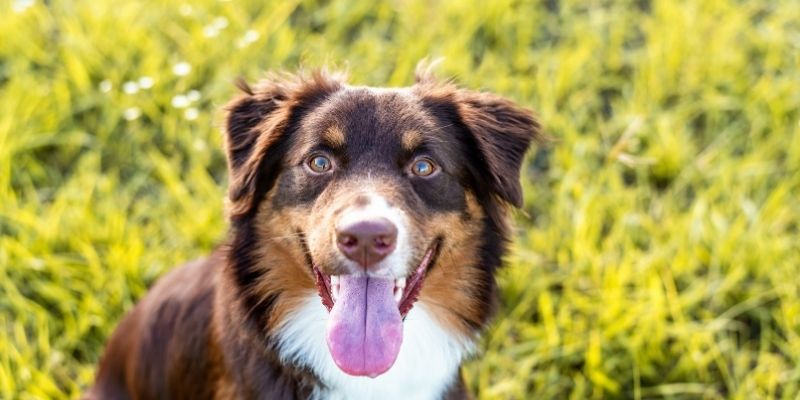
A healthy lifestyle strengthens a dog’s natural immunity.
Why Vaccination Alone Is Not Enough
Modern veterinary care often places a strong emphasis on vaccination, which is essential and should never be dismissed. However, vaccination alone is not sufficient. Without a supportive immune system and attentive daily care, a dog remains vulnerable. True prevention is a combination of factors: vaccination, immune resilience, and quality of life must work together.
A Message to Dog Owners
Do not rely solely on the vaccination calendar. Speak openly with your veterinarian about protocols and your dog’s overall health. Invest daily in your dog’s wellbeing through nutrition, movement, and emotional stability. Only through this integrated approach can we offer dogs the life and protection they truly deserve within the human dog relationship.
At Integrative and Holistic Grooming Education, we believe that precision in nutrition is a reflection of our care. When we measure with love, we feed the soul. Explore our philosophy: Linktree Sasha Riess