
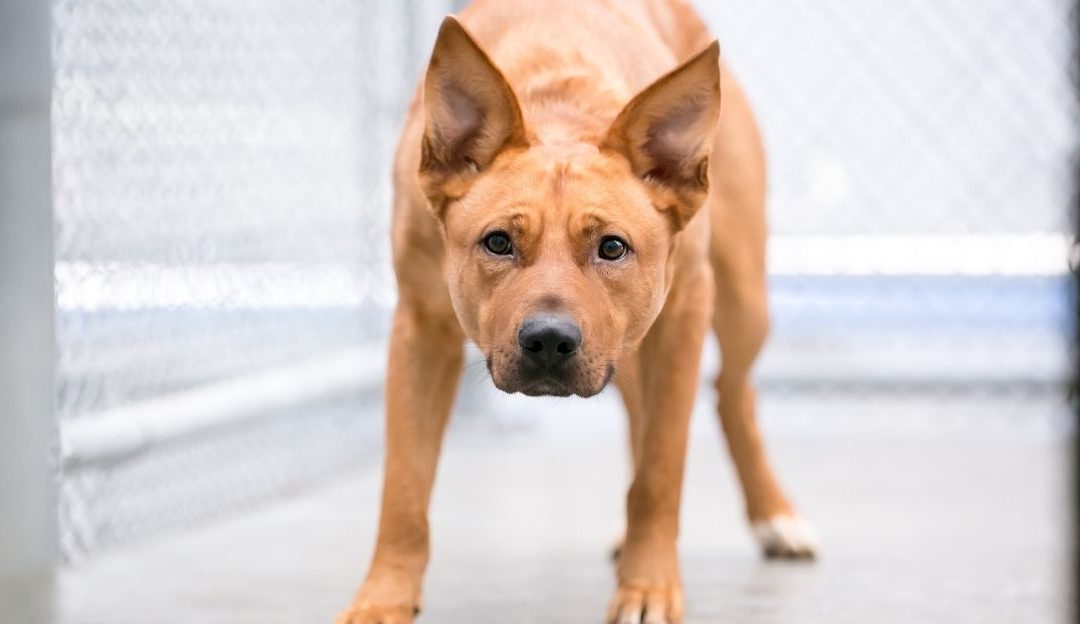
The Adopted Dog Is Still Aggressive: Understanding the Root of the Problem
When a dog comes from the street, from abuse, or from neglect, many people expect that love and care will automatically heal all his wounds. However, aggressive behavior often remains precisely because the dog brings deeply ingrained survival patterns with him.
Dogs, like children with parents, develop affective attachment. This emotional bond can be secure or insecure. When attachment is insecure, it most often shows through:
-
Withdrawal
-
Anxiety
-
Overprotective behavior
-
Fear-based aggression
For aggression to decrease, the dog must move from insecure to secure affective attachment.
Why Does an Adopted Dog Become Aggressive?
A dog who has lived without stability, safety, or protection has learned to survive on his own. When we rescue him, feed him, give him a home, and offer love, he sees it, but he does not automatically feel safe.
Until he feels safe in your presence, he worries about you. And when a dog worries about a human, he enters a state of constant tension and responsibility, which easily leads to aggression:
-
Guarding you
-
Defending you
-
Controlling space
-
Reacting impulsively to people or other dogs
His aggression is not bad intention. It is an expression of fear and old wounds.
A Dog Is Not an Accessory: How Human Emotions Shape a Dog’s Body and Behavior
Dog Cosmetics: The Problem Is Not Bad Intent, but Lack of Knowledge
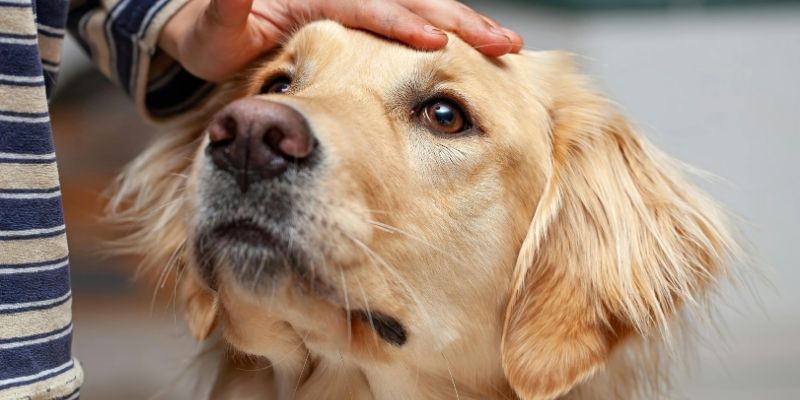
Trust is built through consistency, rituals, and calm leadership.
How to Help a Dog Develop Secure Affective Attachment
For a dog to move from insecurity to safety, he must understand that protecting you is not his job. Your role is to become:
-
Stable
-
Consistent
-
Predictable
-
A calm leader
Through clear rituals and routines, the dog learns that:
-
The human makes decisions
-
The human leads
-
The human provides safety
-
He does not need to react aggressively
When the dog feels that control is no longer on his shoulders, he begins to relax. Only then can he develop secure affective attachment, a relationship in which he knows you are there to protect him, guide him, and set boundaries. At that point, the dog no longer reacts out of fear, but out of trust.
Rituals That Restore a Sense of Safety
It is recommended to introduce rituals that strengthen security:
-
Clear signals and routines
-
Daily structure
-
Short obedience exercises without pressure
-
Limited access to space until stability is built
-
Calm walks without overstimulation
-
Your emotional leadership
When a dog understands that a human provides protection, food, direction, and stability, he stops carrying the burden of responsibility. And aggression, which once served as a survival tool, slowly fades away.
At Integrative and Holistic Grooming Education, we believe that every physical symptom is a message. Understanding these signals and addressing them through a holistic lens is at the heart of everything we teach to ensure the well-being of every dog in our care.