
by Sasha Riess | 26.06.26. | Nutrition
When a dog refuses a meal and the veterinarian confirms that it is physically completely healthy, owners are often confused. Is the dog being stubborn? Is it trying to dominate? The truth is much deeper and concerns the relationship between you and your dog. Why a dog refuses to eat is often not a medical question but an emotional one that arises from an insecure affective bond between you and your companion.
Therefore, understanding why a dog refuses to eat requires looking beyond the bowl, as the issue stems from an emotional disconnect rather than a physical illness.
Anxiety Instead of Dominance
Refusing food, picking at bites, or turning the head away from the bowl is often wrongly interpreted as a “power play” or an attempt to prove who is in charge. In reality, these are anxious behaviors. The dog is not telling you that it is the leader. Instead, it is subtly telling you that it does not trust enough.
The dog does not eat because it does not feel safe. In its perception, the relationship with the human becomes unpredictable, and unpredictability creates fear—the fear that food may not be there tomorrow. Consequently, when the behavior of the owner becomes inconsistent or emotionally unstable, the dog loses its sense of ground. This emotional instability directly explains why a dog refuses to eat even when its health is perfect.
The Awakening of the Wolf: Survival Instinct
When a dog loses trust in tomorrow, the ancestral wolf awakens within it. At that moment, the survival instinct takes over completely. Instead of calmly enjoying the meal you offer, the dog enters a mode of extreme caution and conservation. Therefore, the problem with eating becomes a deeper problem of trust in the stability of the group to which the dog belongs.
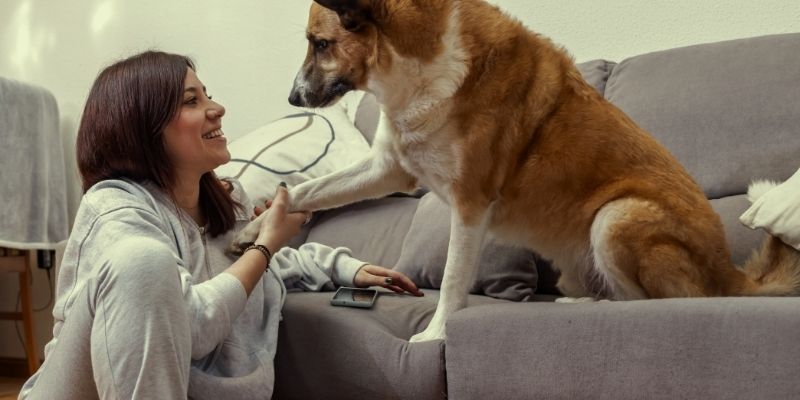
Only when your communication becomes consistent and predictable will the dog return to its bowl without fear.
How to Restore Appetite Through Trust
The answer to why a dog refuses to eat does not lie in changing the flavor of kibble or adding expensive toppings to the bowl. Instead, the solution lies in building a secure, predictable emotional bond. The dog must know exactly what it can expect from you at any moment.
Only when your communication becomes consistent and predictable will the dog relax, believe in tomorrow, and return to its bowl without fear. To explore more about how a stable environment and conscious diet choices support your dog’s vital systems, read our holistic nutrition guidelines.
At Sasha Riess, we teach that a dog’s behavior is the direct reflection of your inner world. True wellness means living in absolute authenticity to bring ultimate pureloveandharmony to your companion. Connect with your dog’s true nature today: Linktree Sasha Riess
👉 Follow our Facebook page and never miss our latest articles, news, and updates.
by Sasha Riess | 25.06.26. | Behaviour
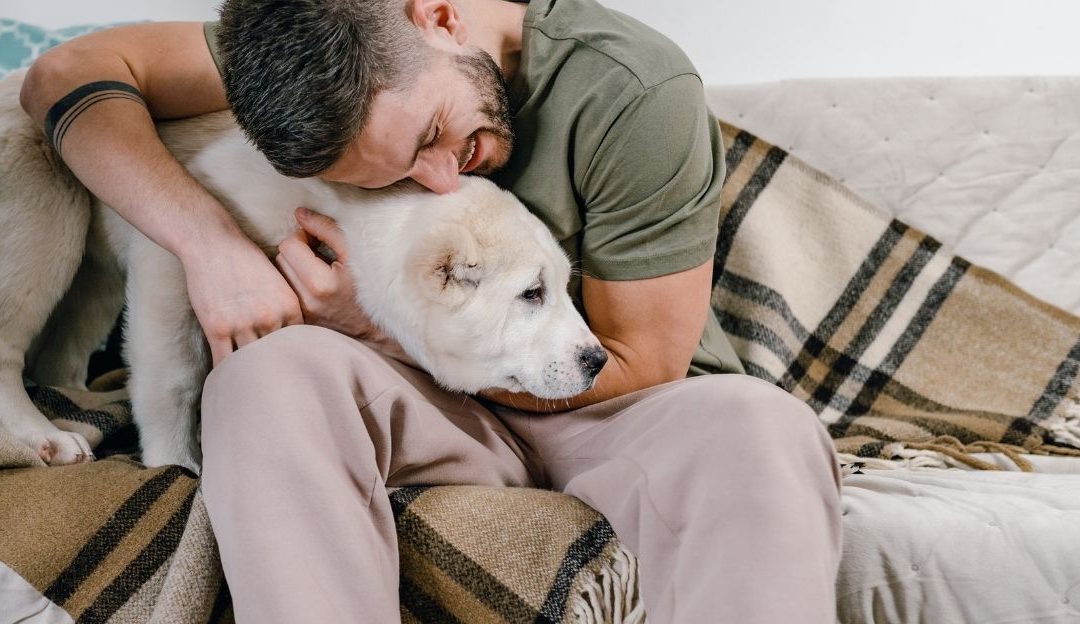
During my time in Australia, I met Aleksandar and his dog. It was my first encounter with a case where a companion animal displayed such severe physical symptoms. The diagnosis was clear, but no solution seemed to exist. The animal suffered from epilepsy in dogs in its harshest form. Therefore, this critical case forced us to look deeper into what causes canine epileptic seizures when traditional methods fail.
The Limits of Traditional Veterinary Medicine
The traditional veterinary approach managed to keep the heavy symptoms under control only up to a certain point. Aleksandar took his dog to prestigious specialized clinics across the country. However, traditional veterinary medicine simply no longer had a reliable answer for the condition.
There came a dark moment when the seizures became incredibly frequent and severe. Consequently, modern medicine could no longer keep up with their rapid progression. This limitation shows why we must re-evaluate what causes canine epileptic seizures from a holistic standpoint.
Between Hope and the Final Option
The disappointment became complete when specialists told Aleksandar that nothing more could be done. Increasing the dosage of standard medication or combining additional drugs had become entirely impossible. Indeed, even the smallest chemical adjustment could have been catastrophic for the dog’s fragile organism.
As a final option, and with great “empathy,” the clinics advised him to euthanize his friend in order to end the suffering. Aleksandar was completely devastated. Yet, deep inside his heart, he felt that this was not the true end of the road.
Dog Nutrition: Allowed Fruits, Vegetables, and Mushrooms – A Complete Guide
Bathing Dogs: Hygiene That Protects Internal Organs
Alopecia in Dogs: Why Hair Cannot Break Through the Skin

Deep inside, he felt that this moment of hopelessness was not the end of the road.
It was precisely that intense moment of hopelessness that became the entry point into an entirely new understanding of what we call epilepsy in dogs. To explore more about how internal systems and environmental stress impact severe conditions, read our holistic behavior guidelines.
At Sasha Riess, we believe that when conventional answers end, a deeper understanding of biological harmony begins. True healing requires looking past the symptom to restore absolute pureloveandharmony within the organism. Discover a new perspective on your dog’s vitality:Linktree Sasha Riess
👉 Follow our Facebook page and never miss our latest articles, news, and updates.
by Sasha Riess | 25.06.26. | Coat Care
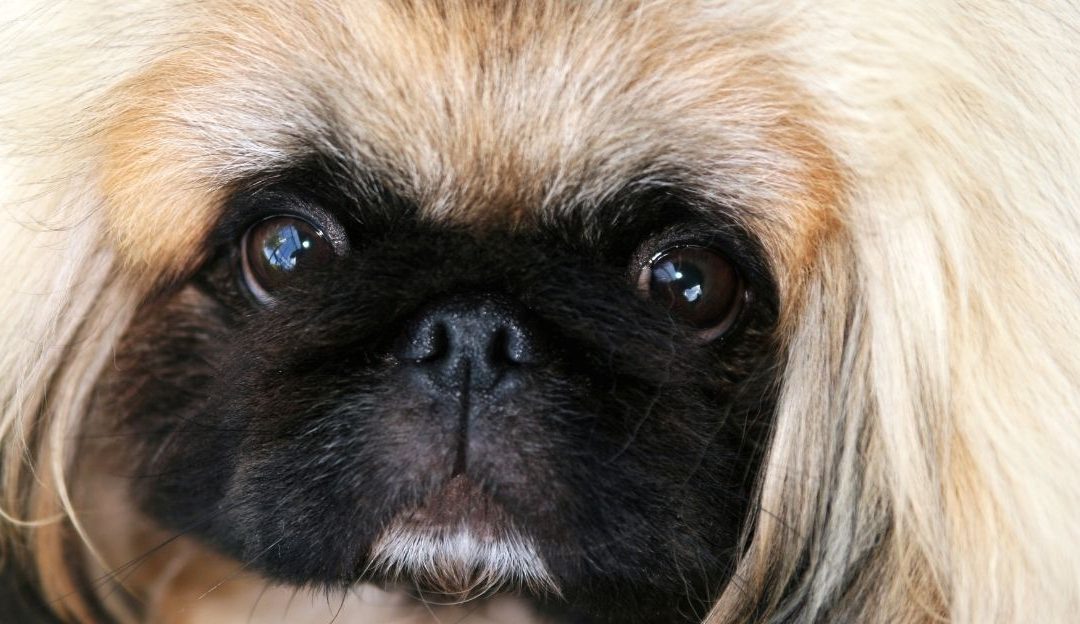
Maša, the owner of a Pekingese, inquired about the phenomenon of grooming this breed. She was intrigued by the sentence: “A well-groomed Pekingese is a happy Pekingese.” She wanted to know what the true path to that happiness is and whether it is more pronounced in this breed compared to others.
Genetic Mutation and Eugenics Within the Pekingese Lineage
Maša, first we must emphasize that we rarely see “true” show-quality specimens on the streets. What we usually see are modifications, genetic “mutations” that actually protect the dog from the harsh effects of eugenics. The Pekingese, similar to the German Shepherd, is a breed shaped and, in many ways, degenerated by human passion for specific utility. It was a dog that guarded the Chinese emperor, sleeping on his bed.
According to the laws of ancient China, no one around the emperor was allowed to sleep. Therefore, dogs were selected that could not close their eyes. Through selection, it was achieved that the Pekingese sleeps with open eyes, their eye appears three times larger than the eyeball, and the eyelids often cannot fully close. The second key point of selection was the dense coat: in winter it warmed the emperor, and in summer it cooled him.
From the Emperor’s Bed to a Happy Imperial Companion
Only a specially groomed dog could sleep in the imperial bed, and thus the concept of beauty became identified with this breed. Over time, owning a Pekingese became extravagant. Even today, their owners seem to belong to a different “breed” of people. A true Pekingese can rarely jump onto the bed by itself; it depends on the owner to lift it, and in that moment its happiness is complete. That is the path from a well-groomed dog to one that is happy because it is accepted into the intimate space of a human.
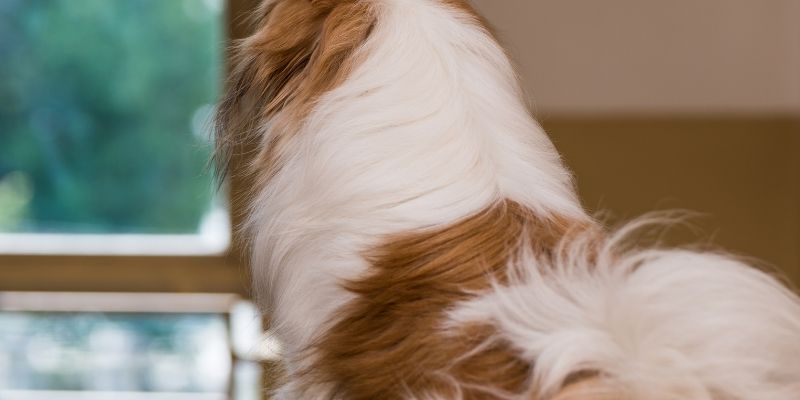
A lush undercoat requires bathing every 4 to 7 days with a mandatory conditioner.
Meticulous Grooming Routine and the Luxurious Pekingese Coat
The Pekingese has an exceptionally abundant coat that demands high awareness of routine. A proper coat is full of undercoat, which is often longer than the topcoat itself, which is why the fur easily tangles and mats. It is recommended that these dogs be bathed with shampoo and conditioner every 4 to 7 days. Although urban dogs today may have less undercoat, the basic principle remains the same: grooming is the key to their well-being.
At Sasha Riess, we recognize the profound historical and anatomical heritage woven into every strand of your companion’s coat. Honoring their unique lineage with meticulous, compassionate care is how we elevate their daily well-being into absolute pureloveandharmony. Pamper your imperial companion: Linktree Sasha Riess
by Sasha Riess | 24.06.26. | Wellbeing
A dog’s skin health is not just a cosmetic issue. It is a direct reflection of internal balance, which is intrinsically linked to the function of the anal glands. When you face persistent itching, hair loss, or allergies, the solution does not lie in suppressing symptoms, but in strengthening the body at its root. Holistic dog care means supporting the microbiome, providing proper protection during walks, and using gentle yet powerful natural remedies to maintain internal equilibrium.
Microbiome: The Foundation of Immunity
Everything begins in the gut. Probiotic bacteria are the first line of defense in your dog’s body. If the microbiome is disrupted by poor nutrition, especially a diet based only on kibble, or by stress, the skin and the proper emptying of the anal glands are often the first to suffer. To understand how these bacteria support your dog’s health, you can explore more about probiotic function and its role in the body.
For those who want to take control themselves, natural probiotics can be prepared at home. If you are looking for a more structured solution, targeted probiotic support can help restore balance, alleviate pressure on the anal glands, and strengthen the entire system.
Homeopathic Protocol for Skin Conditions
Homeopathy offers a gentle path to healing without aggressive chemicals. For skin problems, histamine reactions, and inflammatory processes linked to internal blockages, the following remedies are commonly used:
-
Calcarea Carbonica
-
Hepar Sulphuris
-
Silicea
-
Causticum
Protocol of Use (total 10 days):
All remedies should be obtained from a local homeopathic association in potency 9C.
-
First 3 days: One pellet or one drop every 3 to 6 hours, depending on the severity of the condition.
-
Next 7 days: One pellet or one drop per day.
At Sasha Riess, we approach canine health as a unified ecosystem where gut immunity, glandular health, and skin vitality are deeply intertwined. Embracing a clean, natural lifestyle heals your companion from the inside out, establishing a foundation of pureloveandharmony. Restore your dog’s natural balance: Linktree Sasha Riess

by Sasha Riess | 24.06.26. | Emotions
Tell me which five people you spend your time with, and I will tell you where you will be in five years. This old wisdom carries a powerful truth about how much your environment shapes you.
The people we speak with, what we read, listen to, and watch—all of it slowly but inevitably becomes part of our thinking and our biology.
Your Brain Shapes Your Life
Physiology does not recognize stillness. Life is like a river. If you do not make an effort to move upstream, the current will inevitably carry you downstream. That is why it is not surprising when one day you realize that you no longer share common ground with the people you once spent your days with.
This is not a matter of location or moving abroad. It is a matter of direction. When you notice that conversations no longer “flow,” it is a clear sign that a shift has occurred. Either you have moved forward and realized how deeply your environment shapes you, or they have remained where they were five years ago, or even taken a few steps backward.
Be the Guardian of Your Mind
You must be extremely careful about who you allow into your mental space. What your mind absorbs through daily interactions, your brain will later materialize in your life through the way you look, the way you speak, the way you write, and ultimately the way you think.

Who you spend time with will be your future.
Choosing your circle is not just a social matter. Understanding how your environment shapes you is, in essence, a matter of your future.
At Sasha Riess, we know that true growth requires a conscious alignment of your surroundings, your energy, and your connections. Guarding your mind and choosing expansion allows you to vibrate at the frequency of true pureloveandharmony. Surround yourself with elevation: Linktree Sasha Riess