
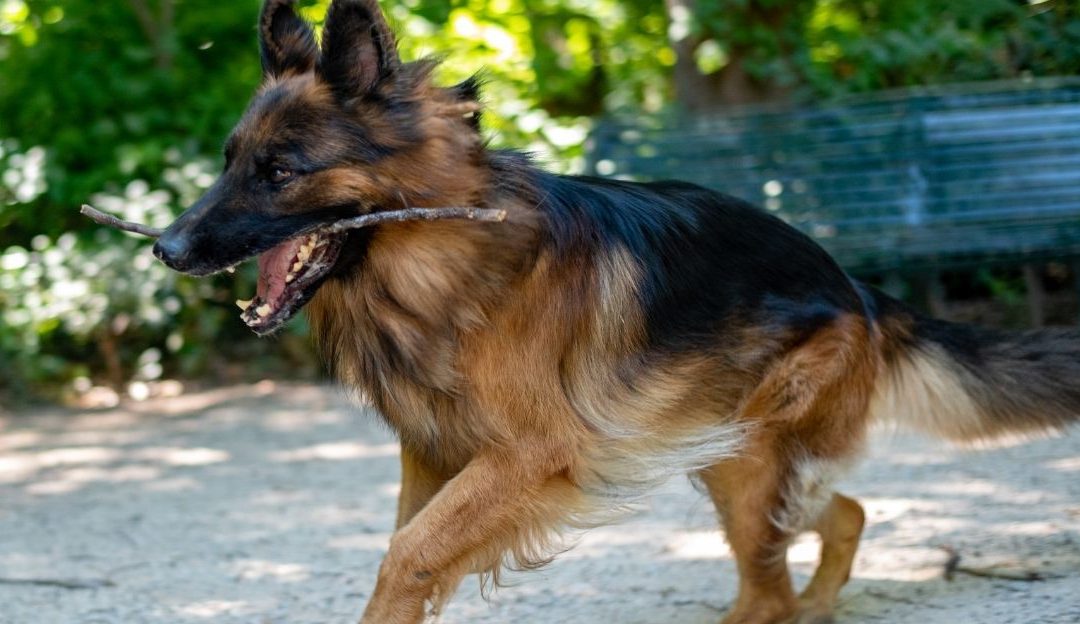
Vitamin C for dogs has a much more important role than most people realize. Although dogs can synthesize vitamin C on their own, there are situations in which this natural production is no longer sufficient. In those cases, supplementation becomes a powerful ally in preserving joint health, reducing inflammation, and easing chronic pain.
Why Is Vitamin C Important After Spaying or Neutering?
Spaying and neutering lead to a decrease in hormones like estrogen and testosterone, which are vital for protecting joints and supporting collagen production. This reduction can lead to increased inflammation and a higher risk of osteoarthritis.
Supplementing with vitamin C for dogs helps neutralize free radicals and protects the joints from accelerated degeneration caused by these hormonal shifts.

How Vitamin C Supports Joint Health
-
Collagen Production: Vitamin C is essential for synthesizing collagen, which builds ligaments, tendons, and cartilage. It stabilizes the joint structure, which is crucial for dogs with hip dysplasia or arthritis.
-
Reducing Inflammation and Pain: As a powerful antioxidant, it reduces swelling and stiffness, making it indispensable for senior dogs and those recovering from injuries.
Protocol for Using Vitamin C in Dogs With Joint Problems
Supplementation must be gradual to ensure optimal absorption and avoid digestive discomfort.
| Phase | Duration | Dosage (per kg of body weight) | Purpose |
| Introductory | 7 Days | 20 mg daily | Adaptation and preventing digestive upset. |
| Active | 15 Days | Up to 100 mg daily | Intensive support and regeneration. |
| Support | 7 Days | 20 mg daily | Stabilizing results and transition. |
| Maintenance | Long-term | 8 mg daily | Long-term collagen and joint protection. |
Why a Dog Refuses to Come When You Call: The Hidden Dynamics
Why a Shelter Dog Appears Withdrawn and Sad: The Path to Trust

Vitamin C supports collagen production and connective tissue regeneration in dogs.
The Active Phase Detail
-
First 2 days: 50 mg per kg.
-
Gradual Increase: Add 10–15 mg per kg every two days until reaching the target dose of 100 mg per kg.
-
This phase provides the strongest anti-inflammatory effect.
Note: Dogs with gastritis must not receive vitamin C.
At Sasha Riess, we believe that proactive care is the foundation of longevity. Integrating vitamin C for dogs into a structured health plan is a strategic move toward pureloveandharmony. Ensure your dog moves with ease: Linktree Sasha Riess
Canine Communication Cards

The Dog Groomer’s Letter of the Month Club with Sasha Riess