

Why Carbohydrates in a Dog’s Diet Should Be Replaced With More Biologically Appropriate Foods
When we ask veterinarians whether dogs should ever eat chocolate, the answer is almost always a firm no. But do we truly understand why? Many people assume the answer is simple: chocolate causes diabetes. In reality, a dog will not develop diabetes immediately after eating chocolate, but repeated exposure to excessive sugars and certain carbohydrates may increase metabolic stress over time.
Consequently, understanding this fundamental principle helps us recognize that chocolate is not the only dietary factor worth considering when analyzing carbohydrates in a dog’s diet.
Rice and Potatoes: A Similar Metabolic Response
The same discussion often extends to foods that many guardians consider healthy for daily feeding.

Rice, potatoes, and other starch-rich ingredients break down rapidly into glucose, leading directly to sharp increases in blood sugar and insulin release. From a biological perspective, dogs evolved consuming diets much lower in starch than those found in many modern commercial kibbles.
For this reason, holistic practitioners strongly recommend reducing excessive carbohydrates in a dog’s diet and focusing instead on fresh, species-appropriate ingredients.
Where Does the Story of Healthy Nutrition End?
One of the central questions in holistic canine nutrition explores how repeated exposure to highly processed ingredients influences long-term metabolic health. Persistently elevated insulin levels place additional demands on the pancreas, ultimately contributing to metabolic imbalance in susceptible individuals.
Therefore, for many holistic nutrition advocates, supporting long-term health means minimizing unnecessary starches and choosing fresh, biologically appropriate whole foods whenever possible.
How Homeopathy Works and Why It Matters for Your Dog
The Hidden Journey of “Fresh” Pet Food: What Happens Before It Reaches Your Dog’s Bowl?
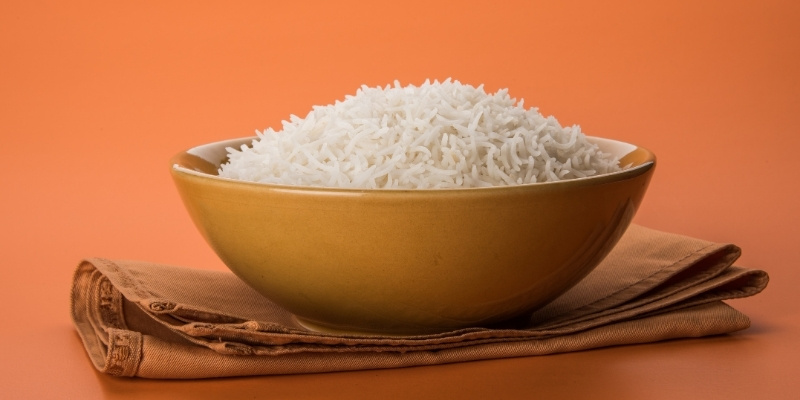
STARCH-RICH INGREDIENTS LIKE RICE CAN TRIGGER ELEVATED INSULIN LEVELS.
The primary goal does not involve simply feeding the dog to fill its stomach. Ultimately, the true goal requires nourishing the physical body while actively reducing unnecessary metabolic stress.
Thank you for reading.
To discover more about how whole food diets, species-appropriate ingredients, and natural nourishment restore internal vitality, read our canine nutrition guidelines.
At Sasha Riess, we look past commercial labels to honor the unique biological blueprint of your companion. True health requires addressing the subtle internal patterns that create lasting vitality and pureloveandharmony. Discover the customized path to your dog’s longevity: Linktree Sasha Riess
View this post on Instagram