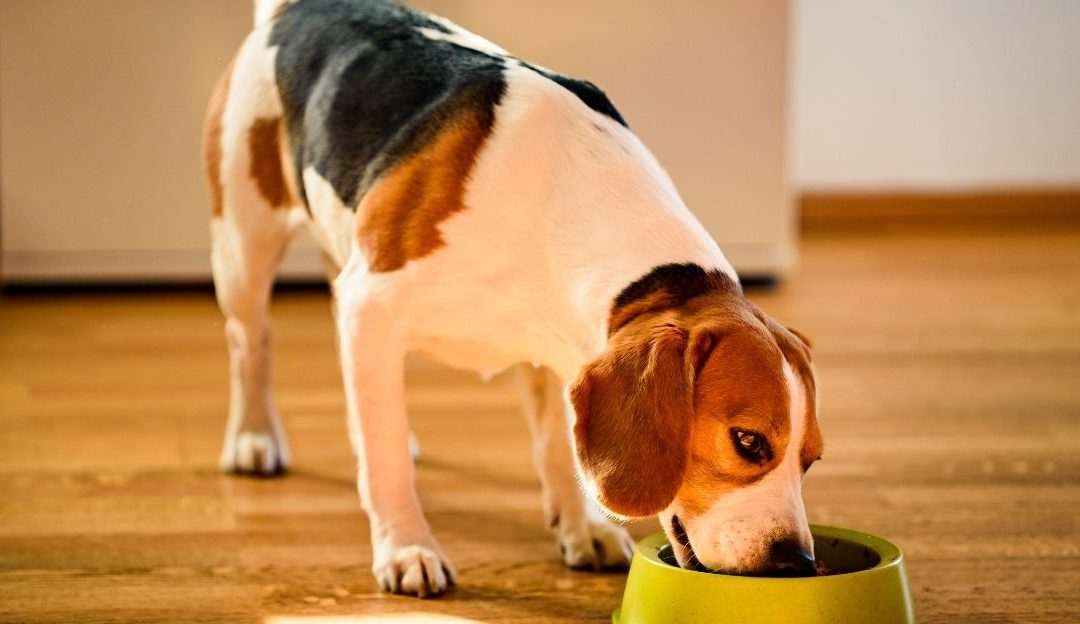
by Sasha Riess | 11.02.26. | Nutrition
Sardines can be an excellent choice for dogs. They are easy to digest, rich in omega fatty acids, and full of nutrients that support skin, coat and the immune system. However, the key is that a dog should eat food that naturally exists in the diet of its owner. If sardines are part of your own table, then you can occasionally include them in your dog’s menu as well, but always in reasonable amounts and in a way that is safe for their digestive system.
Why Is Food We Eat Recommended for Dogs?
Dogs easily pick up the energy, rhythm and eating routine of their owner. The food you enjoy usually suits the dog too because it is part of the shared living environment. If your home often includes sardines, fruit or light meats, your dog will naturally gravitate toward those foods on an energetic level. The most important rule is simple: Do not buy anything for your dog that you would not eat yourself.
Can Dogs Eat Sardines Without Any Risk?
In most cases, yes. Can dogs eat sardines without harm? Generally, sardines are safe for dogs, especially when cleaned and free of salt and spices. Cooked or lightly prepared sardines are the best choice. There are very few foods that can harm dogs, and fish generally does not belong to that category. Still, it is important to avoid overly fatty or seasoned foods, as well as industrial fish products that contain too much salt.
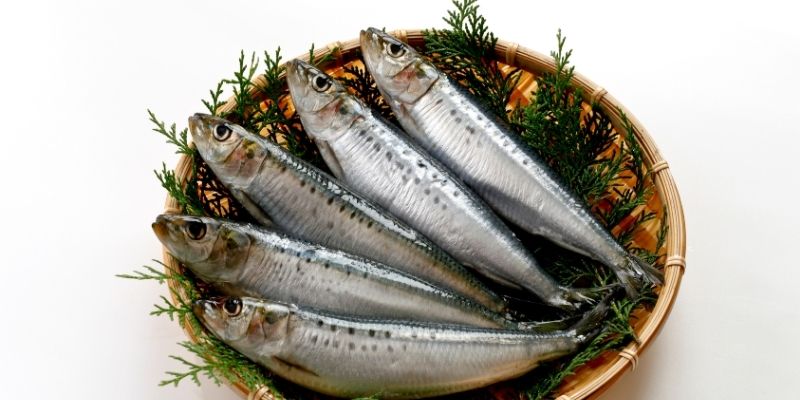
Sardines can be a tasty and healthy addition to a dog’s diet.
How to Occasionally Add Sardines to a Dog’s Diet
Sardines can be added to the main meal, especially if the dog eats homemade food. You can chop them and mix them into the meal, combine them with vegetables or add them as an occasional protein source instead of meat. On days when you prepare fish for yourself, you can set aside a small portion for your dog so that their diet remains natural, balanced and energetically aligned with you. This answers the frequent question, „can dogs eat sardines as a regular treat?“ — yes, as long as it aligns with your shared rhythm.
Can a Dog Be Vegetarian or Vegan?
Theoretically yes. Practically, only if the owner knows exactly what they are doing. Dogs can live on a plant based diet, but only if the meals are prepared carefully and with proper fermentation of carbohydrates so that insulin does not rise. Unfermented rice, quinoa or other carbohydrates can cause long term problems with the pancreas, thyroid gland and insulin resistance. Therefore, if you are considering a plant based diet for your dog, you must be very responsible and well informed.
At Integrative and Holistic Grooming Education, we believe that every physical symptom is a message. Understanding these signals and addressing them through a holistic lens is at the heart of everything we teach to ensure the well-being of every dog in our care. Learn more about our Holistic Approach.
by Sasha Riess | 11.02.26. | Nutrition
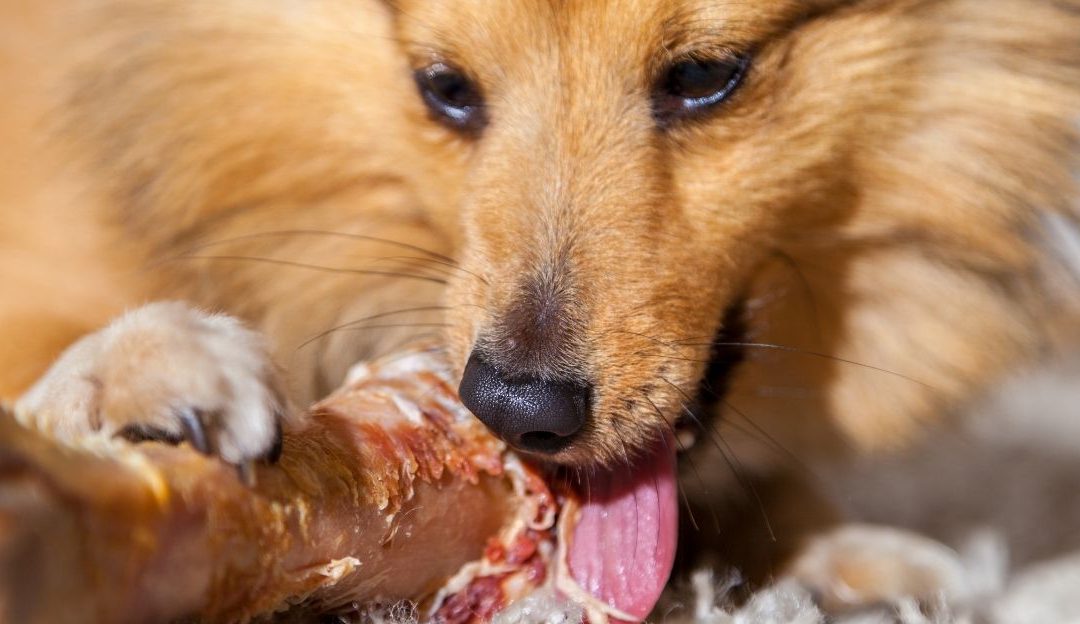
Dried bones for dogs from pet shops are often presented as a natural and safe treat for dogs. However, the recommendation is not to buy them, not because they are “forbidden,” but because anything you can do yourself should not be delegated to the industry.
When a dog is given a bone, it is not just about chewing. It is part of a ritual, digestion, calming, and a sense of safety. The problem begins when that bone is produced industrially, without clear control over its origin, processing methods, and additives that are not visible on the label.
The Hidden Risks of Industrial Dried Bones for Dogs
Dried bones for dogs from pet shops often go through processes designed to extend shelf life, alter the structure of the bone, and increase the risk of breaking into sharp fragments. Such bones are not digested naturally by the dog and are often chewed mechanically — without real benefit for teeth, jaw strength, or psychological balance.
If you want to give your dog a dried bone, the safest option is to prepare it yourself. A bone left over from raw meat can be dried in the oven at the lowest temperature, overnight, or in a dehydrator. It is important that the bone is not cooked or baked, because heat treatment changes its structure and increases the risk of splintering.
Why DIY Preparation is the Safest Way to Give Bones
In this way, you know:
-
Where the bone comes from
-
That it contains no preservatives
-
That your dog is receiving something that comes from your world, not an industrial product

Industrial dried bones for dogs often alter the natural function of chewing.
A dog will enjoy far more what comes from your hands and your environment than something from an anonymous bag on a store shelf. By choosing to avoid industrial dried bones for dogs and preparing them yourself, you are maintaining the purity of the ritual and ensuring your dog’s safety.
At Integrative and Holistic Grooming Education, we believe that every physical symptom is a message. Understanding these signals and addressing them through a holistic lens is at the heart of everything we teach to ensure the well-being of every dog in our care. Learn more about our Holistic Approach.
by Sasha Riess | 11.02.26. | Nutrition
Autophagy as a Natural Remedy: What It Means for Dogs
Autophagy is a natural cellular renewal process during which the body uses periods without food to break down damaged, old, or potentially cancerous cells. In humans, it is often discussed in the context of fasting. In dogs, however, autophagy in dogs is not an exception but a part of their biological normality.
Every day, the body creates thousands of potentially cancerous cells, and many of them are eliminated by the immune system. This process works most efficiently when the body is not burdened by digestion. The same applies to dogs. Regeneration and optimal immune function occur precisely during periods when the dog is not eating.
Why Dogs Do Not Need to Eat Every Day
Unlike humans, dogs do not naturally follow a three meals a day rhythm. Wolves, their direct ancestors, often eat only a few times per week, sometimes even once every seven to ten days. The reason is simple. Hunting requires enormous energy expenditure, so meals are not a daily event.
Because of this, dogs are not biologically programmed to constantly feel hunger. A dog eats when food is provided by humans, not necessarily when the body signals true starvation. For this reason, it is recommended that dogs do not eat too frequently. Less frequent meals allow the body to activate autophagy in dogs, reset itself, cleanse internal processes, and regenerate.

In periods without food, a dog’s body enters a state of regeneration.
The Myth of the Always Hungry Dog
Owners often believe that a dog is always hungry simply because he eats with great appetite. However, dogs have evolved to eat everything that is offered to them because they never know when the next meal will come.
That is why it is not advisable to feed a dog every time he asks for food or to repeat meals too often throughout the day. Overfeeding slows digestion, burdens the pancreas and liver, and prevents the natural process of autophagy in dogs.
Recommendation
Although individual needs vary depending on age, breed, activity level, and health status, the general principle is simple. Less frequent meals are better, provided the diet is balanced and nutritionally rich.
Many dogs function very well on one meal per day, while others benefit from an occasional day without food. This is completely natural and aligned with their biology. By allowing periods of fasting, you are supporting the essential process of autophagy in dogs, ensuring long-term health and vitality.
At Integrative and Holistic Grooming Education, we believe that every physical symptom is a message. Understanding these signals and addressing them through a holistic lens is at the heart of everything we teach to ensure the well-being of every dog in our care. Learn more about our Holistic Approach.
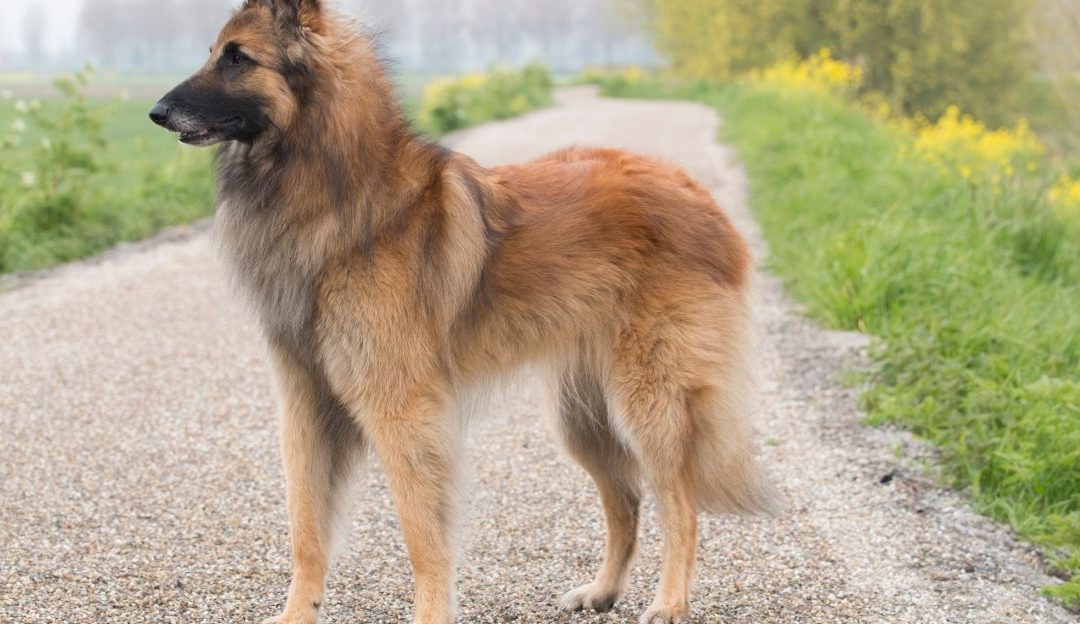
by Sasha Riess | 08.02.26. | Nutrition
Determining a dog’s ideal weight is essential for health and longevity. A dog’s ideal weight does not depend only on breed, but on body proportions and the amount of body fat. Too much or too little fat can lead to serious health problems, which is why it is important for owners to know how to assess their dog’s condition.
How to Check Body Fat in a Dog
The most reliable way to assess your dog is through touch and observation.
-
Overweight: Observe the area around the ribs. If the fat layer is so thick that the ribs cannot be felt at all, the dog is overweight. Note that fat tissue does not always feel soft; it can also feel quite firm.
-
Underweight: If the skin between the ribs is very loose and the ribs are clearly visible or strongly felt with no padding, the dog is underweight.
-
Ideal Weight: The ideal weight is reached when the ribs can be gently felt or slightly seen, with a thin, healthy layer of fat between the skin and the ribs.
What Does Not Determine a Dog’s Ideal Weight
It is important to note that a dog’s height or breed alone does not define ideal weight. The key factor is muscle mass, especially in the rib area, because muscle makes up most of the dog’s body mass. A muscular dog may weigh more on the scale but still be at an ideal body condition.
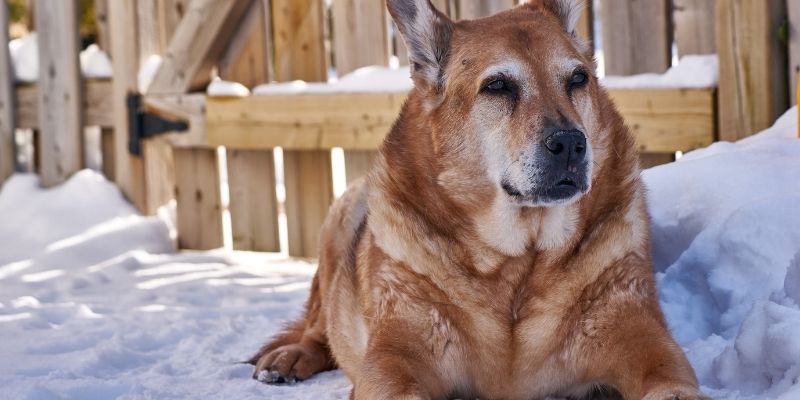
The ideal weight is when the ribs can be gently felt under a thin layer of fat.
How to Assess Your Dog at Home (Step-by-Step)
You can perform this simple check-up regularly to monitor your dog’s health:
-
The Rib Test: Gently feel the ribs with light pressure of your hand. You should feel them like the back of your hand—not prominent like knuckles, but not hidden like the palm.
-
The Profile View: Observe the dog’s waistline from the side. There should be a slight „tuck“ behind the ribs.
-
The Overhead View: Look at your dog from above. You should see a clear waistline behind the ribs, creating an hourglass figure.
-
Estimate Fat Thickness: Assess the thickness of fat specifically between the skin and ribs.
This simple check can help you determine whether your dog is underweight, at an ideal weight, or overweight.
This understanding of a dog’s emotional and physical state is at the heart of everything we do. At Integrative and Holistic Grooming Education, we teach people how to apply these principles of stability and care in their everyday lives with their dogs, helping create calm, healthy, and happy results.

by Sasha Riess | 06.02.26. | Nutrition
The question “What should my dog eat?” is one of the most common, but also one of the most wrongly framed questions. Not because it is unimportant, but because it cannot be answered without context. In a holistic approach, there is no universal list of foods that applies to all dogs, in all homes, and in all circumstances.
Holistics does not function on the principle of “this is allowed, this is forbidden.” It does not separate the dog from the environment in which it lives, nor nutrition from lifestyle.
Why There Is No Single Answer to „What Should My Dog Eat?
When someone asks me what their dog should eat, the real question behind it is: What kind of world does this dog live in?
A dog does not live in isolation. It lives in your home, in your rhythm, and in your habits. That is why a dog’s diet cannot be separated from:
-
The way you eat and your relationship with your own body.
-
The pace of life in your home.
-
The level of stress, noise, chaos, or calm.
A holistic approach does not connect the dog to symptom-based therapy, but to the totality of the life it shares with its human.
Canine Nutrition and the Diet as a Mirror of the Home
Food is not just fuel; it is part of the communication between the dog and the space it lives in. If meals in the home are rushed and stressful, the dog feels it. If feeding is chaotic or emotionally charged, the dog registers it.
The question “What should my dog eat?” carries a deeper one: What does healthy living truly mean in this home?
The Holistic Approach: Asking the Right Questions
Holistics teaches the owner to ask:
-
How does my dog react to the food it eats?
-
Is it calm after meals or restless?
-
What are its sleep, digestion, and energy like?
-
Does my lifestyle reflect through my dog’s behavior?

A dog does not eat only food, but also the rhythm, energy, and habits of the home.
A Dog Does Not Eat Only Food – A Dog ‘Eats’ Context
A dog does not live on proteins, fats, and carbohydrates in isolation. A dog lives on meaning, rhythm, and security. Food is only one part of that system.
When the question “What should my dog eat?” is asked, it soon leads to another dilemma: kibble or homemade food? But even that question has no meaning until the bigger picture is seen—the rhythm of the home, the level of stress, and the human relationship with food.
Only then does the conversation about nutrition gain its true meaning.
This understanding of a dog’s emotional and physical state is at the heart of everything we do. At Integrative and Holistic Grooming Education, we teach people how to apply these principles of stability and care in their everyday lives with their dogs, helping create calm, healthy, and happy results.