
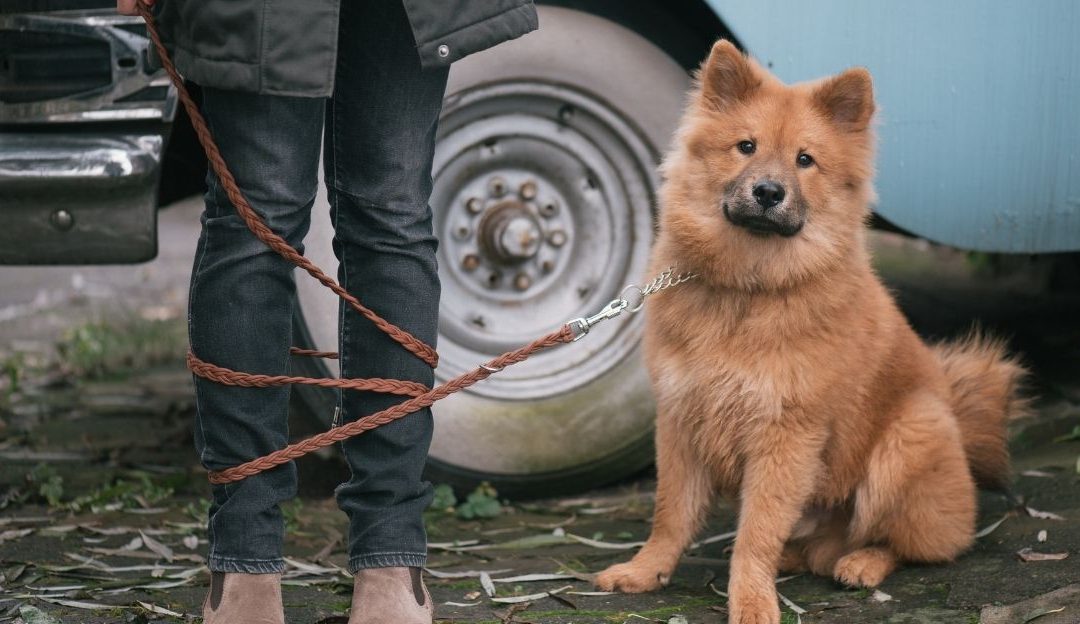
Boundaries are not for dogs. They are for us.
When we talk about boundaries with dogs, most people immediately think of prohibitions, commands, and rules that must be imposed on the dog. But the truth is quite the opposite. A dog does not suffer because of boundaries. A dog suffers because of the absence of boundaries. And the absence of boundaries does not come from the dog, but from the human who does not know how to set them.
A dog does not think in categories of “allowed” and “forbidden” like humans do. A dog functions through structure, consistency, and clear behavioral patterns. When that structure is missing, the dog is left without support. Then problems appear that people mistakenly call disobedience, stubbornness, or a “difficult character.”
Why Is It Hard for Us to Say No to a Dog
The problem with boundaries with dogs is often the same problem we have in relationships with people. We do not know how to say no because we fear conflict, rejection, or guilt. We say yes to everything. To compromises that drain us. To relationships that suffocate us. To habits that harm us.
The dog simply exposes that pattern.
Just as a parent who cannot say no to a child asking for sweets later pays the price through health issues, a dog owner gives in “out of love” and later faces anxiety, aggression, or loss of control in the dog.
Boundaries Are Not Punishment
Setting boundaries does not mean harshness, force, or domination. On the contrary. Boundaries are safety. They tell the dog, “I know what I am doing. You can rely on me.”
A dog with clear boundaries with dogs does not need to constantly test limits. He does not need to take responsibility that is not his. He does not need to make decisions instead of the human. That is where the dog’s inner peace begins.
Why Does My Dog Bite Me? Understanding the Language of Behavior

A dog does not seek boundaries — the human avoids them.
When Boundaries Are Missing, the Dog Pays the Price
Without boundaries, the dog steps into roles that do not belong to him. He becomes overprotective, insecure, anxious, or reactive. People then say the dog is “problematic,” when in reality he has been left without structure.
That is why boundaries are not a tool to control the dog. They are a mirror of our relationship with our own life. The dog does not seek perfection. He seeks consistency.
The Dog Is Not the Problem. The Problem Appears Before the Dog.
The dog does not need to learn where boundaries are. The human needs to learn how to set them. When we know where we stand, the dog no longer needs to test, push, or take control. Then the relationship becomes stable, calm, and healthy for both sides.