
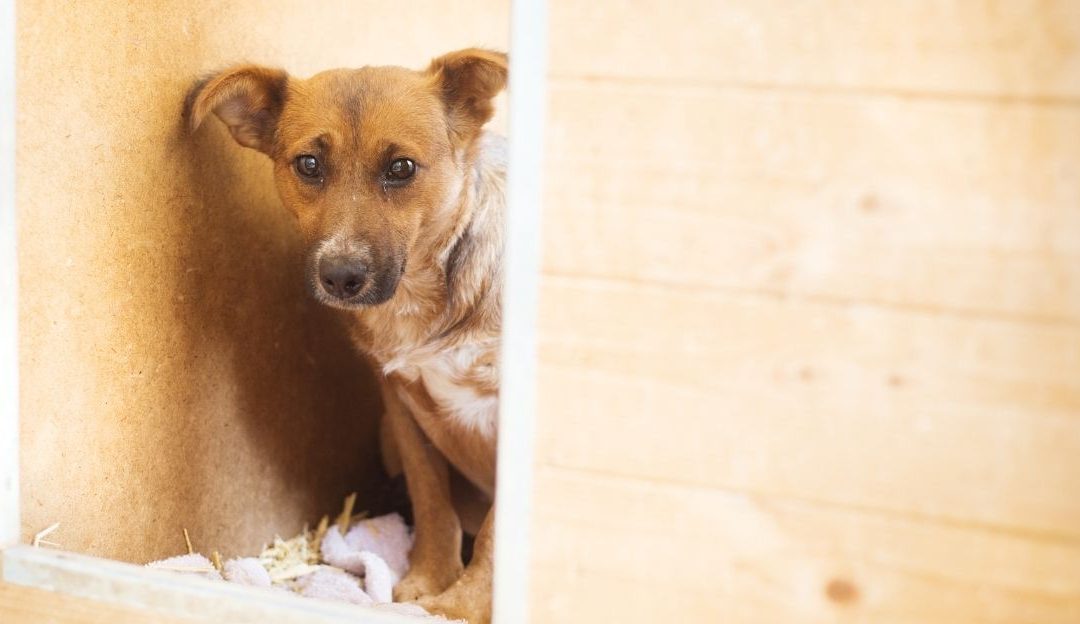
Shelters are meant to be places of hope, but for many, they are places of silent suffering. While we often talk about cold kennels and the lack of human contact, there is a quieter, more dangerous problem: the poor quality of dogs in shelters nutrition.
Very often, shelter food consists of expired kibble—stale, spoiled, and filled with chemicals. What the label calls “food” is often just industrial waste that the industry cannot sell to humans.
Poor Nutrition: The Invisible Source of Suffering
A shelter dog is already at the edge of its strength, battling anxiety and a weakened immune system. When we add low-quality food, the consequences are devastating:
-
Skin inflammation and constant scratching.
-
Digestive issues (diarrhea and vomiting).
-
Hair loss and declining vision.
-
Long-term liver and kidney disorders.
Fifth Toe in Dogs: What It Is For and When It Should Be Removed
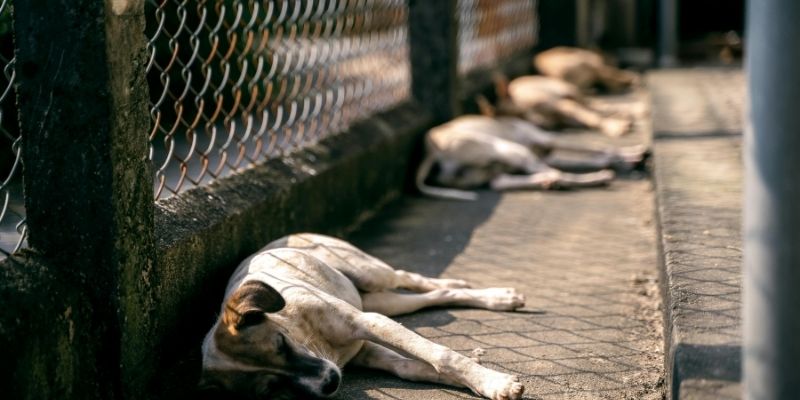
Poor conditions and low-quality food further endanger dogs in shelters.
The System, Not the People
This is not an accusation against shelter workers. Shelters are overwhelmed and underfunded. When a truck of expired food arrives, it looks like salvation. But in reality, this food often contains mold and toxins that directly poison an already exhausted system.
What Can Be Changed?
Food is the foundation of survival. When a dog receives clean, nutritious food, it gains a chance to heal. While shelter problems cannot be fixed overnight, the conversation about the quality of what they eat must begin today.
At Integrative and Holistic Grooming Education, we believe that health starts from within. A dog’s coat and spirit are reflections of their nutrition. Learn more: Linktree Sasha Riess