

Fifth Toe in Dogs: What It Is For and When It Should Be Removed
The fifth toe in dogs is often a topic of debate. Misleading advice. Routine procedures done without real understanding. Many owners are unsure what it is for. Whether it is an extra part. And whether it should be removed.
The truth is simple. It has a function. But only in certain cases can it become a problem.
What the fifth toe in dogs is?
It is most commonly found on the front legs. It is anatomically connected to bones and tendons. Unlike the hind legs where it appears less often and is usually weakly attached, the fifth toe on the front legs has a clear role in movement and stability.
What the fifth toe in dogs is used for?
On the front legs it:
-
Helps with balance.
-
Participates in stabilizing the joint.
-
Is used when holding and gripping objects such as bones.
-
Contributes to more precise support during movement.
If you have ever seen a dog holding a bone or a toy, you can notice that the fifth toe in dogs actively participates in that movement.
When it can become a problem?
The problem does not come from the toe itself. It comes from poor anatomical attachment, excessive mobility, or incorrect position. In some dogs, especially on the hind legs, the fifth toe can:
-
Interfere with movement.
-
Disturb balance.
-
Get injured due to friction or catching.
In these situations removal of the toe can be justified.
Why Dogs Are Not a Subject of Zoology
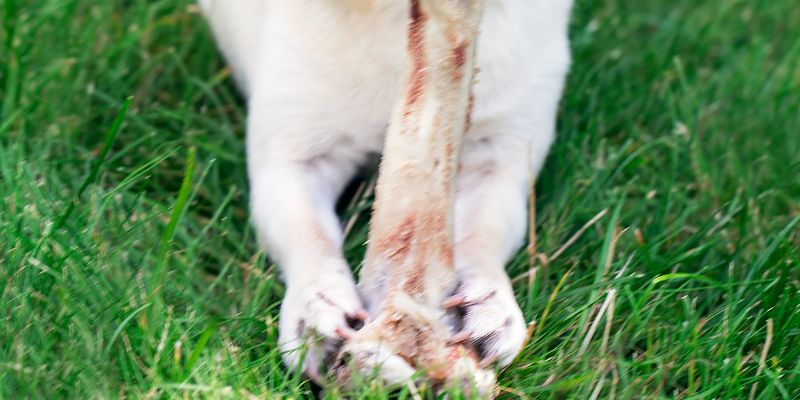
Functional role of the fifth toe in dogs: grip, balance, and stability.
Is the fifth toe a genetic flaw?
In most breeds the presence of an extra or incorrectly positioned toe is considered a genetic fault. Especially in the context of dog shows. Such dogs often cannot pass judging. Except in breeds where the toe is allowed or required by the standard.
It is important to distinguish between a functional fifth toe which should not be touched and a problematic fifth toe in dogs where removal can be considered.
When the fifth toe should not be removed?
If the toe does not interfere with movement, does not get injured, is stably attached, and has a clear function—it should not be removed. Routine removal without a real problem is not justified. It can disturb the natural biomechanics of the dog.
Function before appearance
The fifth toe in dogs is not an extra part that should be automatically removed. It exists for a reason. Removal makes sense only when there is a real functional problem. Not for aesthetic or routine reasons.
As in many other aspects of our relationship with dogs: We should not fix what already works.