
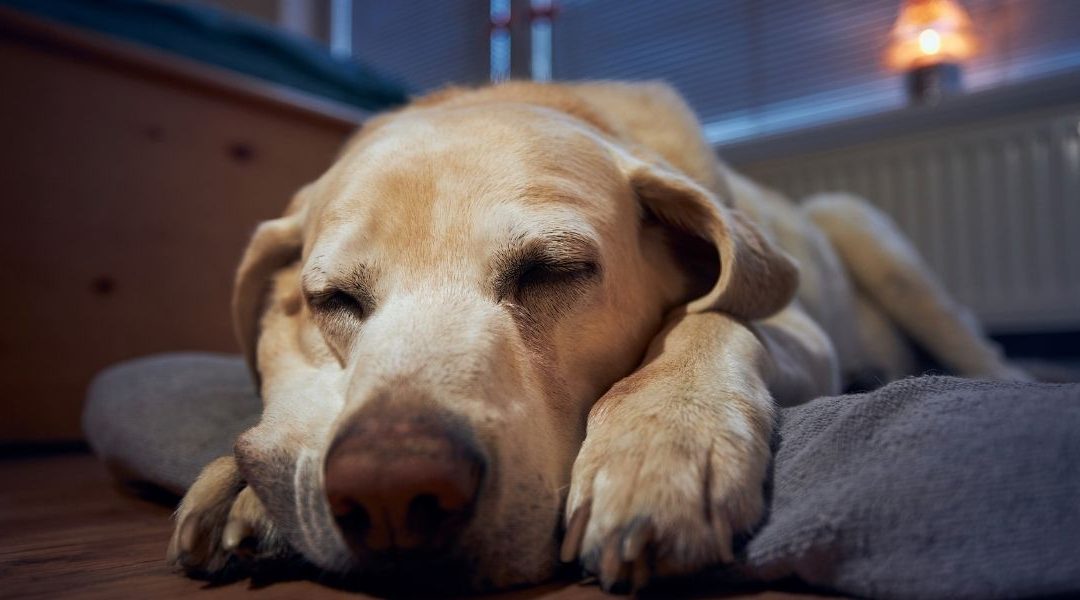
Have you ever wondered how much sleep your dog truly needs? Experts explain that the amount and quality of a dog’s sleep can be one of the clearest reflections of their overall health and emotional balance.
If your dog sleeps a lot, that doesn’t mean they’re lazy — quite the opposite. It often means that nothing is wrong — that they feel safe, content, and fully at ease.
How Many Hours of Sleep Do Dogs Need?
Dogs sleep much more than humans — on average between 12 and 16 hours per day. Puppies and senior dogs can sleep even longer, while active adults tend to rest in several shorter cycles throughout the day. Unlike people, dogs don’t have one long block of deep sleep. Their rest consists of many light naps and quick recovery phases — moments when their body restores energy, balance, and calm. When they’re not eating, walking, or playing — they sleep. It’s not laziness. It’s nature.
Sleep as a Sign of Safety and Happiness
A calm, well-balanced dog doesn’t feel the need to be constantly active. If your dog sleeps peacefully and takes frequent naps, it’s usually a beautiful sign that they feel safe and loved. Dogs with a consistent rhythm — regular meals, walks, and gentle human presence — rest deeply because their nervous system trusts the environment. Even stray dogs, who live in uncertainty, will nap as soon as they find a quiet and sunny spot. Sleep is their way to save energy and survive.
Copper Toxicity and the Magnesium Deficiency Epidemic in Dogs
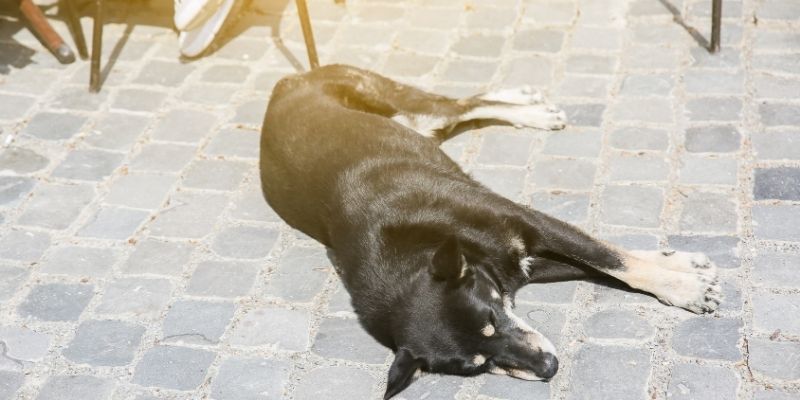
Even a stray dog knows peace — the strength of a simple life.
When Too Much Sleep Might Be a Warning
While sleep is a sign of security, excessive or unusual sleep can sometimes point to a problem. Pay attention if your dog:
-
struggles to get up,
-
shows little interest in walks or play,
-
sleeps more than usual or doesn’t react to familiar sounds.
These can indicate underlying issues such as joint pain, anemia, hormonal imbalance, or even depression. In such cases, a veterinary check-up is essential.
How to Help Your Dog Sleep Better
-
Provide a quiet, comfortable sleeping area away from noise, drafts, and constant movement.
-
Keep feeding and walking routines consistent — dogs find peace in predictability.
-
Avoid waking them suddenly — interrupted sleep affects their mood and immune system.
Sleep as the Mirror of Trust
If your dog sleeps a lot, it’s usually not a problem — it’s a compliment. A sleeping dog is a trusting dog. Their rest is proof that they feel protected, understood, and free from fear. A healthy, happy dog doesn’t need to stay alert — because they know one simple truth: you are there, watching over them.
At Integrative and Holistic Grooming Education, we believe that rest is a sacred state of recovery. When a dog sleeps in your presence, they are giving you their ultimate trust. Explore our philosophy: Linktree Sasha Riess
Sasha Riess Harmony Conditioner for Dogs