
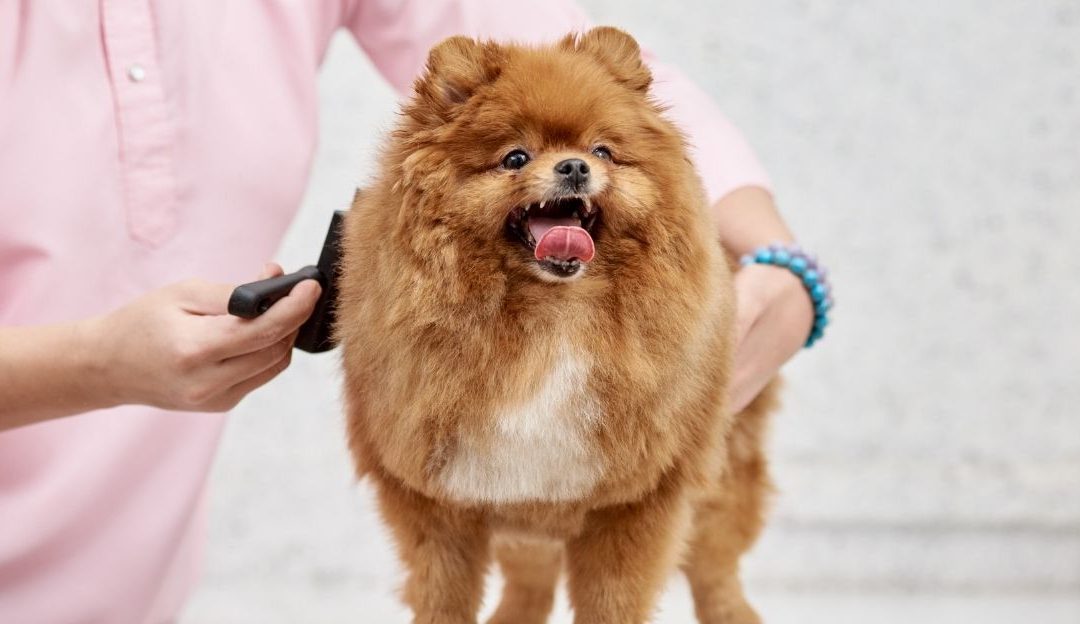
How often to bathe and brush dogs is a question every owner of a double-coated breed must master to ensure their pet’s health. Understanding how often to bathe and brush dogs correctly is not just an aesthetic ritual; it is a vital practice that directly affects the dog’s comfort, prevents pain during detangling, and helps effectively remove the undercoat. In many breeds, brushing a dry coat can be extremely painful, which is why your grooming routine must always combine proper bathing with brushing.
How Often to Bathe and Brush Dogs: Frequency Matters
The frequency of bathing depends on the environment in which the dog lives. A dog that stays in a clean home and does not sleep in the owner’s bed can usually be bathed once a week or every ten days. However, dogs that live in dirtier, urban environments or spend a lot of time outdoors may require more frequent bathing, every five to seven days. If the dog sleeps in the owner’s bed, many choose even more frequent bathing to maintain impeccable hygiene.
Why How Often to Bathe and Brush Dogs Is Vital for Double Coats
Breeds such as Pomeranians, Chow Chows, Keeshonds and Samoyeds have a dense undercoat that matts easily, especially when dry. Brushing without bathing often causes pain because the hair breaks, pulls and catches, and owners frequently make the mistake of brushing the dog “dry” thinking they are helping. Proper bathing with plenty of high quality conditioner allows the coat to glide under the brush and the undercoat to be removed easily.
Dogs and the Culture of Conflict: Animals Teach Us More About Relationships Than Humans Do
Dog Health and Proper Nutrition: Health, Balance, and the Energy of the Human–Dog Bond
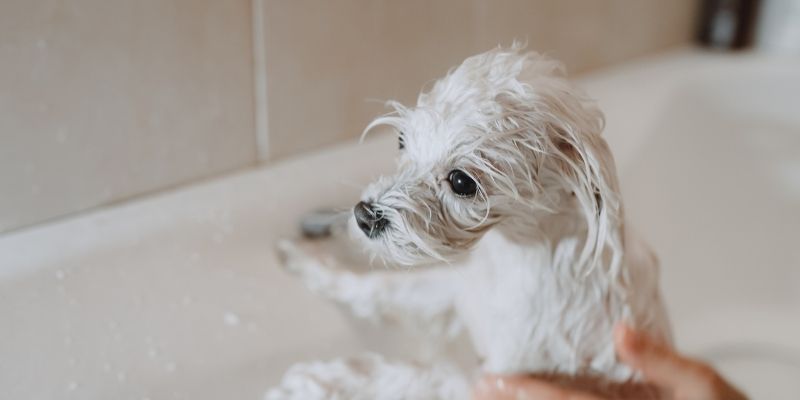
Proper bathing with shampoo and conditioner prevents painful hair pulling.
What Does a Proper Brushing Routine Look Like
Undercoat is removed with special brushes that do not hurt the dog when the coat is well prepared. After bathing, with the right shampoo and conditioner, the coat separates more easily and the process becomes much more pleasant. Professionals in grooming academies teach students this skill first, how to hold the brush correctly, how to work in sections, and how to assess the condition of the coat before starting. If you are unsure how to brush your dog properly, it is best to do it after a bath or consult a groomer.
Why You Should Never Brush a Completely Dry Coat
Dry hair breaks easily, the skin becomes tight and every stroke of the brush can cause pain, especially in breeds with long or double coats. This is the main reason why many dogs run away from the brush, not because they dislike grooming, but because it hurts. Bathing and proper conditioning make an enormous difference and make the entire process much easier for both the dog and the owner.
At Integrative and Holistic Grooming Education, we believe that grooming is a conversation of touch. By choosing the right method, you turn a chore into a moment of pure bonding. Explore our philosophy: Linktree Sasha Riess
Magic Pins Combs: Precision, Durability, Excellence