
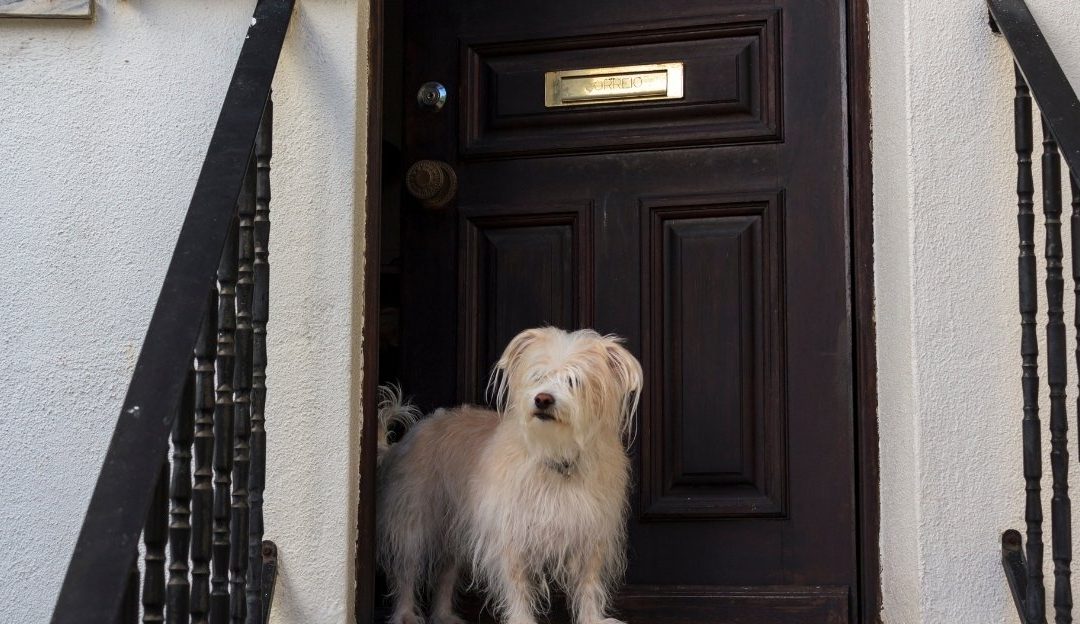
In the modern world, we constantly hear theories about dominance and the owner acting as the primary pack leader dog authority. However, the true psychology of animals reveals a completely different picture. In many cases, fear and insecurity in dogs arise not because they lack domination, but because owners do not fully understand their fundamental emotional needs.
Dogs are not searching for someone who simply commands and controls them. Above all, they seek safety, stability, and a deep sense of genuine connection. Their natural instinct drives them to find security within the family unit and within the relationships that make them feel protected.
Why Does Your Dog Cry and Howl When You Leave?
Imagine a situation in which your dog begins barking, whining, or howling the moment you walk out the door. Many self-proclaimed experts may tell you that the dog acts stubborn or that you fail to display enough control as a dominant pack leader dog figure. However, the explanation remains far simpler and more human. In that moment, the dog experiences severe distress because something important leaves its world.

Consequently, the feeling of security disappears, and overwhelming uncertainty takes its place. As a result, anxiety and panic begin to emerge within the dog’s nervous system.
They Are Not Only Afraid of Being Alone
When a dog cries at the door, society often interprets the sound as disobedience, manipulation, or spoiled behavior. Yet many dogs react to something far deeper. They are not simply responding to physical separation; they respond directly to the loss of connection, predictability, and emotional security.
Dogs remain highly sensitive to changes in human emotions, daily routines, body language, and immediate energy. Consequently, when they perceive subtle instability in their environment, uncertainty grows inside their own nervous system as well. They do not need a forceful pack leader dog to discipline them in these moments; they need a reliable source of grounding and reassurance.
The Power of Letting Go and the Final Act of Love
When to Groom a Puppy: A Guide to the First Grooming and Habituation
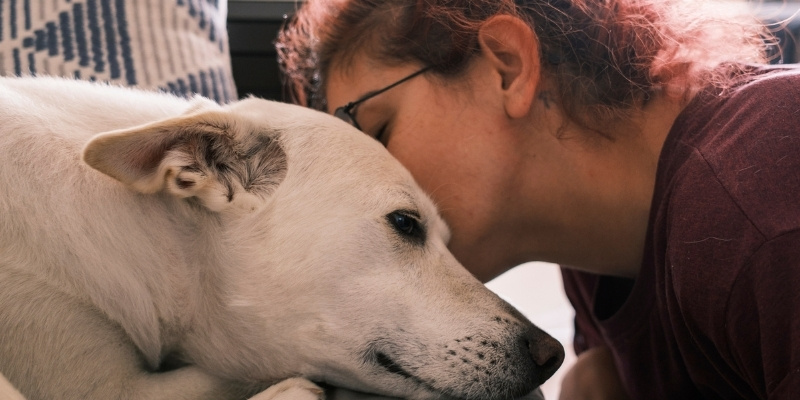
THE DOG AS A REFLECTION OF OUR INNER PEACE.
Dogs and Children See Beyond Our Masks
Learning to care for our own emotional wellbeing represents one of the most powerful ways to help the animals sharing our lives. Dogs and young children often respond less to the social roles we play and more to the true emotional state beneath them. They react to consistency, authenticity, calmness, and quiet presence.
For this reason, lasting behavioral change rarely comes from force, mechanical control, or dominance alone. True progress grows from mutual trust. It grows from authentic connection. Ultimately, it grows from the profound sense of safety we create together. Perhaps true leadership does not require fear or control. Ultimately, true leadership means becoming a permanent source of peace.
Thank you for reading.
To discover more about how emotional alignment, balanced lifestyle, and authentic energy restore internal balance, read our canine communication and behavior guidelines.
See you next time.
At Sasha Riess, we look past commercial labels to honor the unique biological blueprint of your companion. True health requires addressing the subtle internal patterns that create lasting vitality and pureloveandharmony. Discover the customized path to your dog’s longevity:Linktree Sasha Riess
View this post on Instagram