
by Sasha Riess | 13.07.26. | Nutrition
When the question arises whether a dog can eat cooked organ meat and rice, the answer is clear: not in that way. Within the Pure Love and Harmony Wellness formula, which we have been developing for years, there is no place for wheat, corn, or even cooked rice. The reason is simple.
Carbohydrates eventually break down into glucose molecules, which can create serious metabolic strain and contribute to chronic allergic reactions. Therefore, understanding why fresh organ meat is healthy for dogs—and why cooked grains fall short—is foundational to reversing chronic inflammation.
The Myth of Cooked Rice
Rice can be part of a dog’s diet, but not in its cooked form. A dog can digest plant proteins only when they are fermented. Through fermentation, rice, beans, or soy can be transformed into proteins and cheese-like substitutes that may form up to fifty percent of the meal.
Without that specific biochemical process, cooked rice is simply a source of sugar that burdens the dog’s organism. This glycemic overload illustrates why starch-heavy commercial foods cause issues, and why fresh organ meat is healthy for dogs because it supplies ancestral nutrients without the glucose spike.
Organ Meat Versus Steak: What Is “Styrofoam” and What Is Food
Many owners make the mistake of thinking that a clean filet or steak is the highest quality part of meat. The truth is very different. Compared to liver, heart, or kidneys, a regular beef steak is like “styrofoam”. It contains almost nothing that a dog truly needs.
Organ meats are nutritionally superior because they are packed with essential minerals and vitamins that pure muscle meat does not provide. In nature, animals eat the organs first, not the muscles, because instinctively they know where the real nutritional power lies. Knowing why fresh organ meat is healthy for dogs reshapes your raw feeding strategy, guiding you to prioritize systemic vitality over human aesthetic preferences.
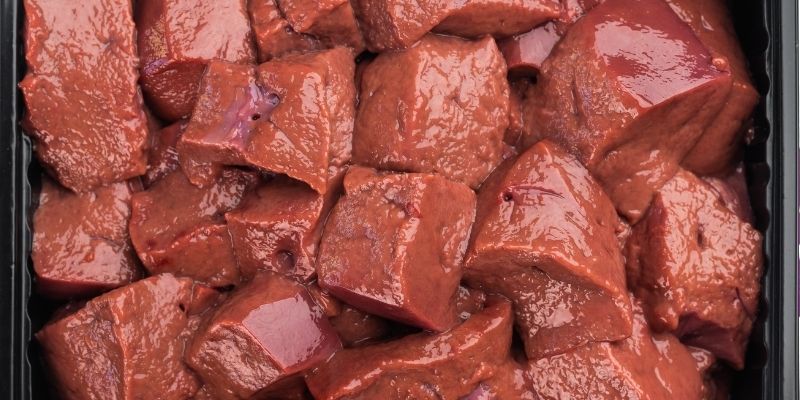
Finely chopped organ meat like liver and kidneys provides the concentrated, bioavailable minerals that pure muscle meats lack.
Prioritizing Mineral Power Over Visual Appeal
If you want your dog to receive the highest nutritional value, focus on the bioavailable minerals found in internal organs rather than on the visual appeal of clean muscle meat. When you match cellular needs with natural biochemistry, the body achieves homeostasis.
To explore more about how freshly prepared, raw meals and natural enzymes restore internal balance, read our holistic nutrition guidelines.
At Sasha Riess, we look past commercial labels to honor the unique biological blueprint of your companion. True health requires addressing the subtle internal patterns that create lasting vitality and pureloveandharmony. Discover the customized path to your dog’s longevity: Linktree Sasha Riess
👉 Follow our Facebook page and never miss our latest articles, news, and updates.

by Sasha Riess | 13.07.26. | Wellbeing
When you are faced with a diagnosis in your dog, you usually look for the cause in food, genetics, or external factors. However, within the holistic approach, Sasha Riess raises a difficult question: Is your dog’s illness actually a manifestation of your inner unrest?
A Retrospective That Reveals the Truth
If your dog was diagnosed with an illness in January, it means that its organism had been under unbearable pressure for at least a year before that. During that time, it was “collaborating” with your energy, absorbing every piece of your suppressed stress.
Ask yourself honestly:
-
What was happening in my life a year before the illness appeared?
-
What was my mental state six months before the first symptoms?
-
What weight was I carrying within myself while my dog was faithfully observing me?
“Don’t do it, I’ll do it for you”
A dog in the family often takes on the role of a child. It senses your mental imbalance and emotional blocks before you are willing to acknowledge them yourself.
Through its unconditional loyalty, the dog unconsciously takes on your burden, as if saying: “Don’t suffer, I will do it for you.”
The physiological decline of the dog is often the final signal from its organism, which can no longer endure the pressure of your unresolved stress.
Your dog’s impaired health is not only a biological process, but also your opportunity to awaken and heal yourself, so that you can save it.
To discover more about how emotional alignment, balanced lifestyle, and authentic energy restore internal balance, read our canine wellbeing guidelines.
At Sasha Riess, we look past commercial labels to honor the unique biological blueprint of your companion. True health requires addressing the subtle internal patterns that create lasting vitality and pureloveandharmony. Discover the customized path to your dog’s longevity:Linktree Sasha Riess
👉 Follow our Facebook page and never miss our latest articles, news, and updates.
by Sasha Riess | 12.07.26. | Behaviour
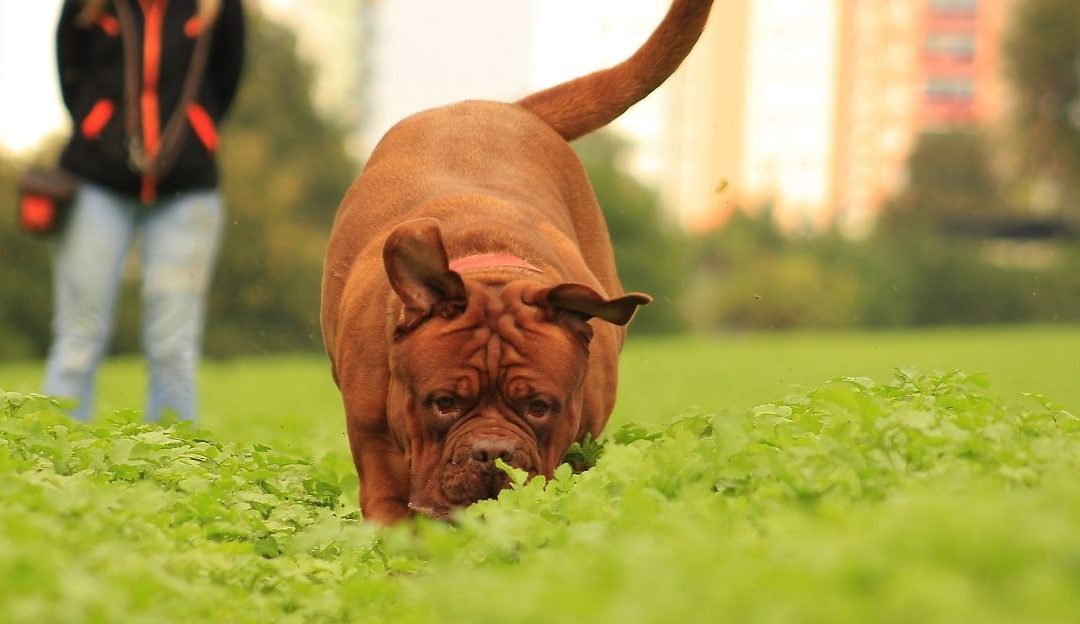
Does taking food from the street simply mean that a dog wants attention? The answer is not simple, because this behavior can have two completely different contexts. On one hand, it can be a cry for attention. On the other, it is a clear sign that you are not interesting enough to your dog.
Effective canine focus training methods begin the moment you understand that you are not competing with the food itself, but with thousands of years of survival instinct.
Food as the Essence of Life
You cannot defeat food on the street through prohibition alone. For a dog, food on the ground represents the essence of life. The dog is a natural opportunist—a being that will eat whenever the opportunity arises.
When you see a dog vacuuming everything in front of it, you are witnessing the expression of its most basic evolutionary traits. The dog is perfectly present in the moment. However, the true underlying problem is that it is present with the piece of food on the pavement, not with you.
Why Are You Not the Center of Its World?
The main reason a dog looks at the ground instead of at you during walks is a lack of engagement and active stimulation. If you are not interesting enough, the dog will naturally seek its own entertainment in the smells and tastes on the pavement.
When a dog actively looks at you and follows where you are going, it physically has neither the time nor the space to search for scraps. Implementing interactive canine focus training methods ensures that your dog’s attention remains locked onto your movements rather than drifting down to the street.
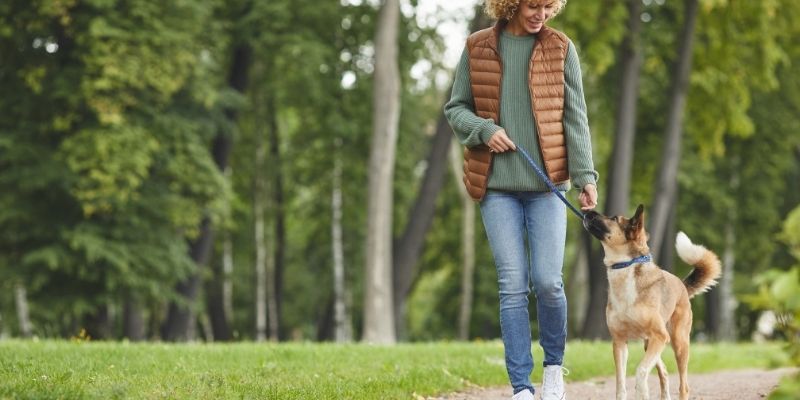
When your communication is engaging, the dog physically has no time or interest to look for street scraps.
The Key Is Social Communication
When will a dog stop picking up crumbs? It stops when you clearly communicate through your daily social relationship that you are the reliable leader who is fully capable of providing resources. Dog training here comes down to building mutual trust and clear authority.
The dog must learn that the strongest psychological stimulation and the safest source of resources are found directly in you. Only when your communication becomes stronger than its opportunistic instinct does the street stop being an „all-you-can-eat buffet.“ To explore more about how understanding deeper canine signals, shared energy, and natural interactive routines supports your companion’s development, read our holistic communication and behavior guidelines.
At Sasha Riess, we look past simple obedience to fix the foundational bond between you and your companion. True behavioral balance requires building deep trust so you can walk together in absolute pureloveandharmony. Discover our natural leadership principles today:Linktree Sasha Riess
Recommended readin:
Judging Others: The Path to Your Own Loneliness
How to Overcome Allergies in Dogs: Food You Would Eat Yourself
by Sasha Riess | 10.07.26. | Nutrition
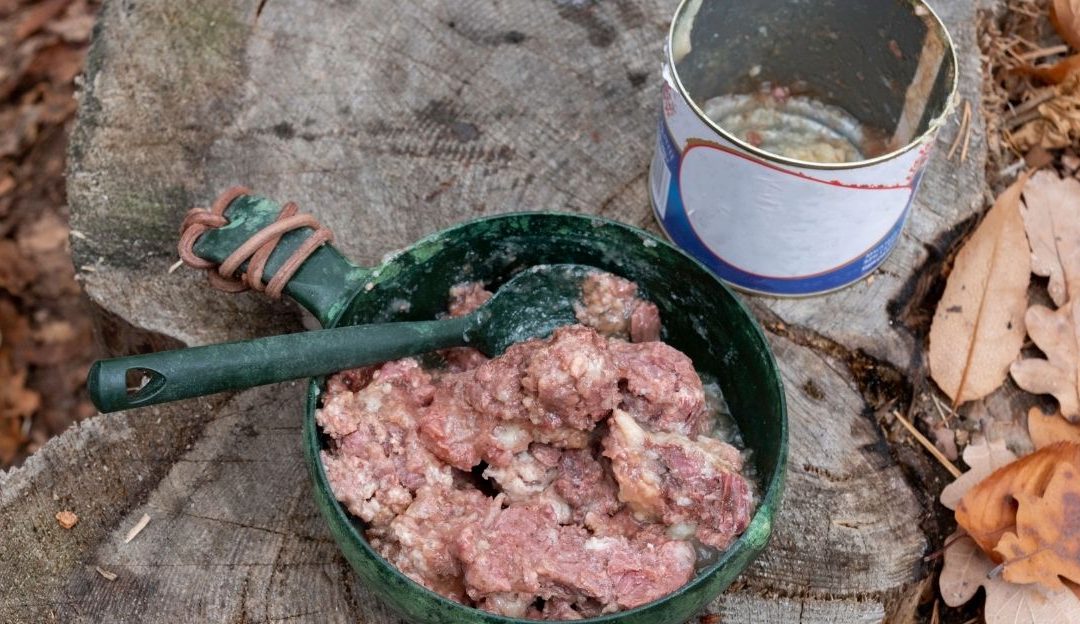
It is time to question what truly lies inside the shiny packages we buy for our dogs. My message is clear: discard canned meat. Although it seems practical, canned dog food is often a major unknown that directly affects your dog’s health and the body’s acidity levels.
Therefore, discovering how canned dog food harms dogs helps you protect their digestive environment from hidden industrial hazards.
What Is Actually Inside the Can?
When you buy industrially processed food, you rarely know what is truly inside. These cans are often filled with carbohydrates and low-quality fats. Instead of pure meat, they frequently contain ground skin, horns, hooves, feathers, and organ byproducts. Together, they create a mixture that disrupts the stomach’s optimal acidity. Consequently, this metabolic imbalance serves as the first step toward severe digestive problems and weakened immunity. This structural breakdown explains exactly how canned dog food harms dogs by altering their natural digestive pH.
Apple Cider Vinegar as a Natural Remedy
As a counterbalance to poor industrial food, we must return to nature. My grandmother used to make remarkable apple cider vinegar by soaking apples in water and leaving them in the sun for several weeks. It was a drink I consumed throughout my childhood. That same fermented apple cider vinegar can support your dog as well.
Apple cider vinegar helps regulate the acidity that canned dog food often reduces due to excess low-quality fats. It acts as a natural probiotic and supports the body’s cleansing processes. Furthermore, the recipe is simple—you can make it yourself at home.
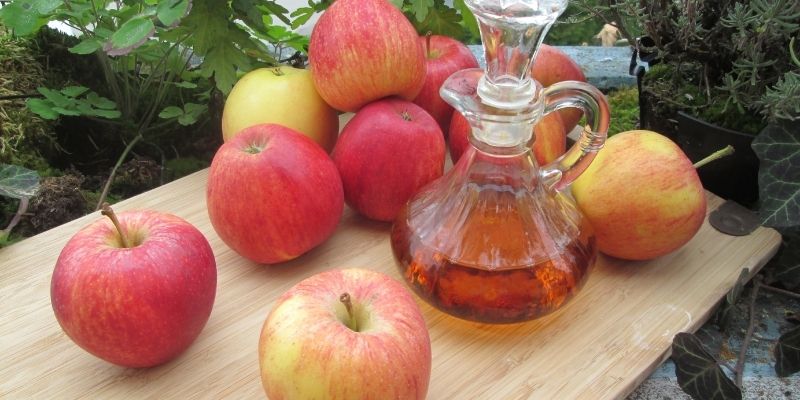
Fermented apple cider vinegar acts as a natural probiotic to safely restore your dog’s digestive balance.
How to Properly Dose Apple Cider Vinegar
You can add apple cider vinegar directly to food or to the water your dog drinks. The procedure is simple:
-
Prepare a basic solution with a 1:1 ratio—one tablespoon of vinegar to one tablespoon of water.
-
From this mixed solution, administer half a teaspoon for every 5 kg of the dog’s body weight.
Returning to natural fermentation and removing questionable canned products is one of the fastest paths toward your dog’s vitality. To explore more about how freshly prepared, raw meals and natural enzymes restore internal balance, read our holistic nutrition guidelines.
At Sasha Riess, we look past commercial labels to honor the unique biological blueprint of your companion. True health requires addressing the subtle internal patterns that create lasting vitality and pureloveandharmony. Discover the customized path to your dog’s longevity: Linktree Sasha Riess
👉 Follow our Facebook page and never miss our latest articles, news, and updates.
by Sasha Riess | 10.07.26. | Behaviour
We often feel afraid in front of life, frozen by the circumstances surrounding us. In that tension, we somehow surrendered to things and lost that deep, primal animal strength that each of us carries within.
That strength was once so powerful it could move mountains out of the way, yet today we have forgotten it. Exploring how dogs improve human mental health teaches us that this forgetfulness has a price. We have become slaves to everyday life.
Lessons From Our Ancestors
When we say today that life is hard, we should remember those who walked before us. Our ancestors survived wars, illness, exile, and unimaginable suffering so that we could exist today. If they were able to carry such a burden, how is it possible that our center of the world has become an electricity bill or the lack of one more branded bag? We lost our compass because we disconnected from our essence.
The Dog as a Bridge to Inner Power
This is where the dog plays a crucial role. Contact with a dog allows a human being to reconnect with the elements of life that are real and vital. A dog does not know about bills or material worries. It knows only the strength of the present moment, loyalty, and survival.
The psychology of humans and dogs is not only the science of raising a pet, but of reeducating the human to be strong, present, and worthy of their ancestors. To explore more about how understanding deeper canine signals, shared energy, and natural interactive routines supports your companion’s development, read our holistic communication and behavior guidelines.
At Sasha Riess, we believe that restoring your inner strength is the foundation for a harmonious relationship with your companion. True vitality requires an authentic life lived in absolute pureloveandharmony. Discover our philosophy of balanced living today: Linktree Sasha Riess
👉 Follow our Facebook page and never miss our latest articles, news, and updates.

by Sasha Riess | 09.07.26. | Behaviour
Many owners desperately try to follow every rule, yet results never come. The reason is provocatively simple: your dog is not a broken machine that needs fixing. Instead, it is a reflection of you. As long as you apply the manual to the dog instead of to yourself, progress remains impossible. Therefore, understanding why dogs sense human stress is the real key to behavioral change, because your companion reacts to your genuine internal state rather than your mechanical commands.
The Manual Is for You, Your Dog Cannot Read
The world of love and harmony, through a dog’s eyes, does not begin with a command. It begins with your responsibility toward your own life. Why do you expect your dog to “know what is right” while you are running away from yourself? The manual is written for people who have dogs, not for the dogs themselves.
You do not live what is written in a book. Instead, you live what you carry deep within. Your dog senses your stress, your performance, and your constant fear of making mistakes. Until you allow yourself to be fully alive, imperfect, flawed, and wise at the same time, your dog will have nothing to respond to except your inner tension. This direct feedback shows exactly why dogs sense human stress so acutely in daily life.
Stop Cleaning the House of Food, Clean It of Perfectionism
Perfectionism is a war against oneself that no one has ever won. Your dog does not seek an ideal owner. Rather, it seeks an authentic human being.
-
An Allergy to Falsehood: When you live with the constant need to be perfect, your dog becomes almost literally allergic to it. The dog easily senses the unnatural, rigid quality of your behavior.
-
The Source of Life: Dogs look for us where we are real, regardless of our social success or daily mission.
Your Dog Has Already Accepted You, Now It Is Your Turn
Your dog loves you completely with all your virtues and flaws. It does not judge you. Instead, it waits patiently for you to return to yourself. Stop living in abstract possibilities and start living within your real capacities.
How to Choose the Best Dog Grooming Scissors: The Truth the Internet Cannot Sell
German Shepherd: Is There a Solution for Hip Dysplasia?
Why You Must Vaccinate Your Dog Against Rabies
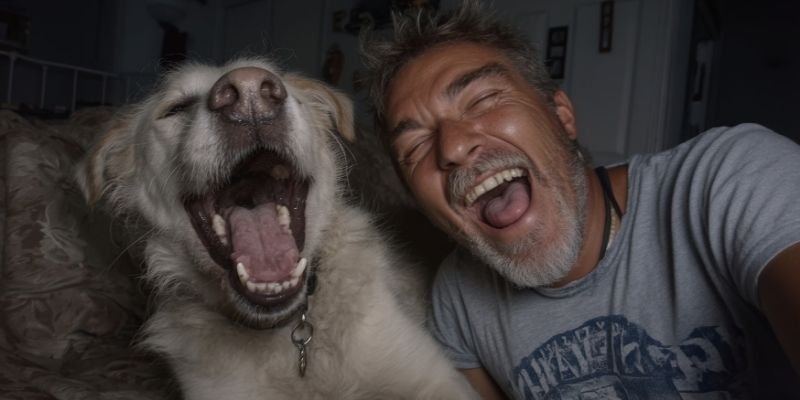
When you start living within your real capacities, being with your dog becomes natural and easy.
Understand yourself, and you will see that being with your dog becomes easy. The manual is simply a tool for your inner transformation. Your dog will respond to that emotional change in the only way it knows—with pure love and harmony. To explore more about building a balanced connection, resolving anxiety, and understanding your dog’s behavioral responses, read our holistic behavior guidelines.
At Sasha Riess, we teach that a dog’s behavior is the direct reflection of your inner world. True wellness means living in absolute authenticity to bring ultimate pureloveandharmony to your companion. Connect with your dog’s true nature today: Linktree Sasha Riess

by Sasha Riess | 08.07.26. | Nutrition
When dealing with a companion who rejects their meals, learning how to handle a picky eating dog is the most important step an owner can take. When your dog turns its head away from a bowl into which you have invested your effort and love, it is not showing that it is “spoiled” or “stubborn.” Instead, it is placing you into the simplest possible trap.
Dog behavior, throughout evolution, has always been inseparably connected to food—from the wolf, to the village dog, to the one now sleeping on your couch. Food is not just a meal; it is the thinnest layer of your relationship and a key means of communication.
Evolution in the Bowl: How to Handle a Picky Eating Dog Through History
The entire relationship between human and dog revolves around one question: will there be food tomorrow, and who is responsible for it? In that relationship, the dog does not seek luxury; it seeks its place.
When it refuses to eat, it is not choosing flavors. It is showing you where your place is, or trying to understand where its own place is. This is a subtle game of power in which the dog casually rejects your investment of love in order to observe your reaction. Recognizing this dynamic changes how to handle a picky eating dog, shifting your focus from culinary desperation to calm consistency.
Consistency as the Only Solution
The solution is neither punishment nor indulgence. If you have prepared a meal, that is what is eaten. The dog is neither picky nor greedy; it is simply testing the boundaries of your authority.
If the dog senses that it can manipulate your emotions through food, it takes the leadership role in your small pack. A healthy relationship is built on clear rules: “I prepared this, and this is what is eaten.” If the dog believes there is a better place or a better leader who will offer something else, it is free to look for it. But in your home, you are the one who sets the standards.
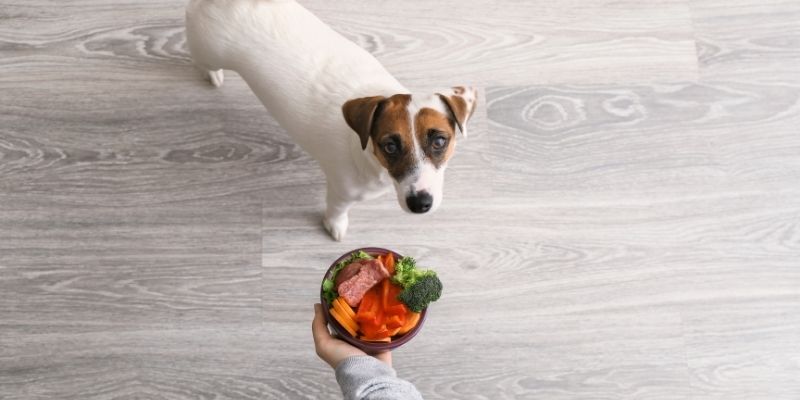
A healthy relationship is built on clear household standards: the leader provides the meal, and the follower accepts it without manipulation.
Reclaiming Balance in the Household
Only when you understand this does dog behavior stop being a stressful problem and become a balanced partnership. When you hold the boundary calmly, without anger or bribery, the dog relaxes into its natural role as a follower.
To explore more about how freshly prepared, raw meals and natural enzymes restore internal balance, read our holistic nutrition guidelines.
At Sasha Riess, we look past commercial labels to honor the unique biological blueprint of your companion. True health requires addressing the subtle internal patterns that create lasting vitality and pureloveandharmony. Discover the customized path to your dog’s longevity: Linktree Sasha Riess
👉 Follow our Facebook page and never miss our latest articles, news, and updates.
by Sasha Riess | 08.07.26. | Coat Care
Is This the End of Grooming as We Know It?
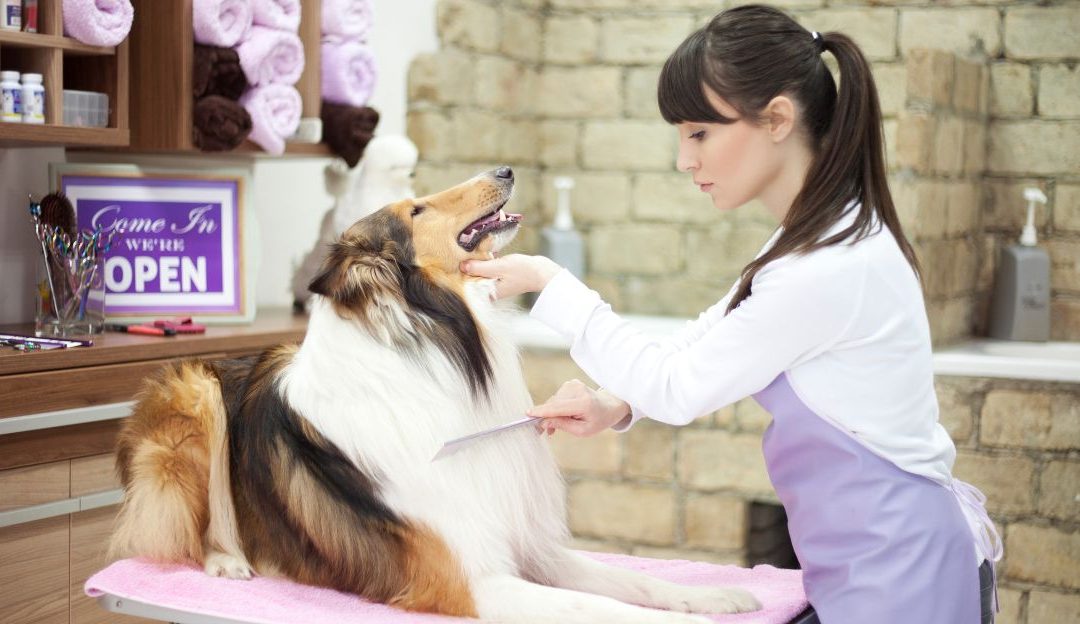
Modern holistic dog care is changing fast. Consequently, the dog grooming profession is evolving across the globe. New local laws and animal welfare debates now impact countries like Germany and Austria. Because of this, public conversations challenge traditional grooming habits. People demand better care for pets. Therefore, pressure grows on large clubs like the Fédération Cynologique Internationale, American Kennel Club, and The Kennel Club.
Conscious canine care stands at a historic crossroads. Indeed, professionals who adapt to new standards will secure the best future.
A Historic Step in Holistic Dog Care: Sasha Riess International College
We proudly announce a major evolution. Sasha Riess Academy now becomes Sasha Riess International College. Our new main headquarters is in Los Angeles, California. This step represents more than three decades of hard work, research, and global collaboration.
Now, we introduce the SAVE THE DOGS program. This advanced education focuses on animal welfare, responsible ownership, and long-term canine health.
Transform Your Salon Through a Modern Approach to Professional Dog Care
Today, technical grooming is only one piece of a much larger puzzle. To build a stable business, you must focus on the long-term quality of a dog’s life.
We offer our Dog Care Expert diploma program completely online. Students can study in both Serbian and English. This unique course prepares you for new industry demands. The curriculum combines three core areas:
-
Canine communication and behavior – Learn about the nervous system, stress triggers, and sensory perception.
-
Nutrition and nutritional planning – Master the power of the hidden 7% of minerals and living food.
-
Hygiene, coat care, and grooming – Treat the coat and skin as primary health indicators.
Dog Nutrition: Allowed Fruits, Vegetables, and Mushrooms – A Complete Guide
Creative Flow in Grooming: The Moment When Technique Ends and Magic Begins
Can You Recognize a Urinary Infection in Dogs by Smell?
Why Does This Matter?
If you already work in the grooming industry, expanding your current services to include professional nutritional guidance and behavioral education can significantly broaden your professional portfolio. Consequently, it allows you to build stronger relationships with clients, provide greater value, and position yourself as a trusted, irreplaceable resource within your community.
Are you already working in the grooming industry? If so, you can expand your business easily. Adding professional nutrition guidance and behavior education will broaden your portfolio. Consequently, you will build stronger relationships with owners. You will provide greater value and become a trusted leader in your local community.
Modern holistic dog care rewards those who understand the whole animal. Do not focus on physical appearance alone. Stay ahead of global changes. Become a true leader instead of a victim. To explore our specialized curriculum and global educational standards, read our holistic behavior guidelines.
At Sasha Riess, we elevate professionals from simple stylists to certified guardians of canine vitality. Empower your practice with advanced biological knowledge to bring authentic health and pureloveandharmony to every dog you touch. Join the future of global dog care today: Linktree Sasha Riess

by Sasha Riess | 07.07.26. | Behaviour
In its simplest sense, homeostasis is the body’s ability to maintain internal balance despite constant changes occurring in the external world. Body temperature, hormone activity, blood pressure, blood sugar levels, breathing, and thousands of other processes adjust continuously to keep the organism stable. However, homeostasis is not important only for physical physiology.
Instead, it represents the fundamental goal of the entire nervous system. Therefore, understanding how canine homeostasis drives behavior is essential for true care, because the nervous system is not merely trying to maintain the proper temperature or energy level. It is trying to preserve a deep sense of safety, predictability, and internal stability.
In other words, the nervous system constantly evaluates whether the world around it is safe enough for normal functioning. This is precisely why behavior cannot be separated from biology. Behavior is not a mechanical malfunction that needs to be fixed. Rather, behavior is the organism’s active attempt to protect its internal balance. When a dog barks, withdraws, avoids contact, becomes excessively excited, or reacts intensely, we are often not observing a behavioral problem. Consequently, we are observing an organism attempting to preserve its homeostasis under environmental pressure.
How the Senses and Homeostasis Interpret the External World
But how does the organism actually know what is happening around it? The answer lies within the senses. The senses function as the direct bridge between the external and internal worlds. Their primary biological purpose is not to show reality exactly as it is. Instead, their purpose is to help the organism survive.
Through the senses, the nervous system continuously gathers environmental information, evaluates its meaning, and makes decisions that increase the chances of survival. This is why a dog does not live in the same world as a human. We share the same physical space, but we do not share the same sensory reality. A dog does not see what we see, hear what we hear, or smell what we smell. Its reality is shaped entirely by the information arriving through its senses and by the unique way its nervous system processes that input. This specialized sensory processing is exactly how canine homeostasis drives behavior in daily life.
Energy, Minerals, and Homeostasis Under Pressure
However, there is another element that most people completely overlook: energy. Most people understand that the brain requires information, but far fewer understand that the brain requires enormous amounts of energy simply to process that data. Every second, billions of nerve cells communicate with one another.
For a dog to hear a sound, recognize a scent, evaluate movement, or distinguish safety from danger, the nervous system must constantly work. Each of these critical processes depends on the precise movement of minerals such as sodium, potassium, calcium, and magnesium across cellular membranes. Without them, there is no electrical impulse. Without an electrical impulse, there is no transmission of information. Ultimately, without information transfer, there is no perception, and without perception, there is no behavior. In other words, the nervous system does not function because of information alone. It functions because of energy, and energy depends entirely on active minerals.
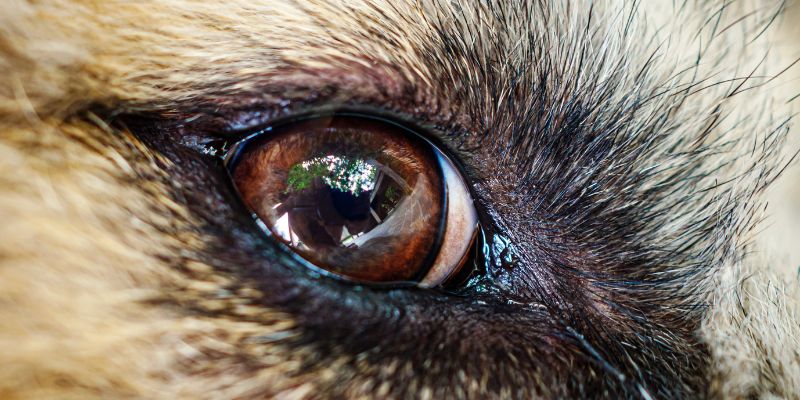
When internal energy and mineral resources are abundant, the organism can naturally adapt to world changes.
What Happens When Resources Become Limited?
This brings us back to the essential biological circle. Minerals are not important only because they contribute to bones, skin, or coat quality. Rather, they are part of the cellular processes that allow the organism to perceive the world and maintain internal balance. When energy resources are sufficient, the organism can easily determine what is important and what is not. It can distinguish a genuine threat from a harmless event and adapt smoothly to change.
However, when resources become limited, the rules change completely. The nervous system begins to conserve energy to survive. Consequently, tolerance thresholds become significantly lower, recovery takes longer, and the organism becomes highly sensitive to external stimuli. A sound that was harmless yesterday suddenly feels overwhelming today. An environmental change that the dog once accepted easily begins to trigger chronic stress. At that point, we are no longer talking only about behavioral choices. We are talking about biology—an organism trying to maintain balance with fewer mineral resources than it requires.
The Six Pathways of Perception and Homeostasis in the Modern World
Perhaps this is why we cannot fully understand canine behavior without understanding the senses. We cannot understand the senses without understanding the nervous system, and we cannot understand the nervous system without understanding energy and minerals. Everything is connected.
The soil influences the plant, the plant influences the animal, and food influences physiology. Consequently, physiology influences the nervous system, which shapes perception. Perception influences emotions, and emotions ultimately drive behavior.
Over the coming weeks, we will explore the six pathways through which dogs experience reality. We will discuss sight, hearing, smell, taste, touch, and emotions. We do this because behind each of these senses lies a much larger story about how the organism searches for balance in a world overflowing with information. This search for balance is the story of every living being, how homeostasis works, and the story of life itself. To explore more about how specific environmental elements and vital minerals support your companion’s internal stability, read our holistic behavior guidelines.
See you next time.
At Sasha Riess, we teach that a dog’s behavior is the direct reflection of your inner world. True wellness means living in absolute authenticity to bring ultimate pureloveandharmony to your companion. Connect with your dog’s true nature today: Linktree Sasha Riess
👉 Follow our Facebook page and never miss our latest articles, news, and updates.
by Sasha Riess | 06.07.26. | Nutrition
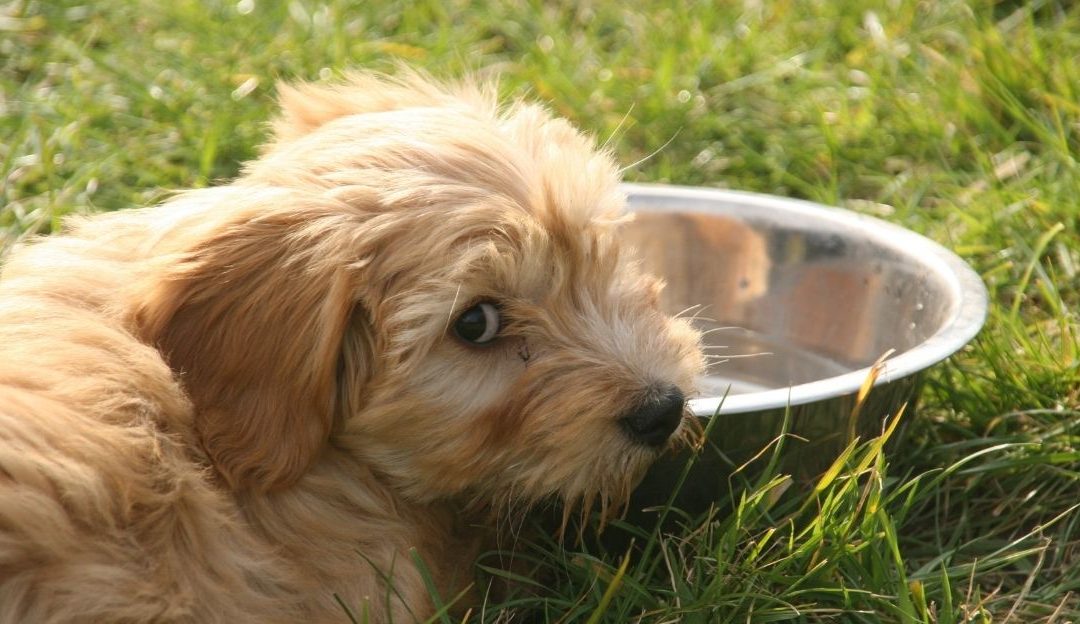
Many owners, especially those with smaller breeds such as Yorkies, panic when they notice that their dog has not approached the water bowl all day. The first question they ask is: “How can I make my dog drink?” However, the answer is simple. Do not force it. A dog is not a number in a nutrition table. Instead, it is a living being of nature that drinks water only when it is truly thirsty. Proper dog care requires understanding the dog’s unique ecosystem rather than blindly following general recommendations. Therefore, learning why dogs stop drinking water requires examining their specific lifestyle and diet rather than forcing a universal standard.
The Trap of Kibble and Dehydrated Food
The main reason we remember dogs that constantly drink water is kibble. Dry, dehydrated food requires a large amount of water simply to soak in the stomach before digestion can even begin. Consequently, when a dog eats kibble, the body often uses its own internal water reserves to process it. This unnatural strain can lead to constant thirst and the disturbance of stomach acid balance.
On the other hand, if your dog eats freshly prepared, moist food, most of the required hydration already comes through the meal itself. In that situation, the dog simply does not need to drink additional water.
This is because the body is not dehydrated by the digestive process. This stark dietary difference explains why dogs stop drinking water from their bowls when they switch to species-appropriate nutrition.
Cooling Biology and Environment
Dogs do not have sweat glands across their entire body as humans do. Instead, they cool themselves mainly through rapid breathing and through their paw pads. If your dog lives indoors in a temperature-controlled environment and is not exposed to extreme heat, it will not lose significant fluid through evaporation.
For instance, a dog walking on hot asphalt and a dog breathing cool mountain air do not have the same hydration needs. If there is no environmental dehydration, there is simply no need for active rehydration.

If your dog eats freshly prepared, moist food, most of the required hydration comes through the meal itself.
Observe Your Dog, Not Numbers
Just as two different humans cannot have the exact same water requirement, dogs cannot fit into a single, generic hydration formula. Therefore, you must carefully observe your dog’s specific ecosystem. You should consider what the dog eats, where the dog spends time, and how active the dog is throughout the day.
A dog will not allow itself to reach dangerous dehydration if fresh water is always available. Your responsibility is only to provide continuous access to clean water. Ultimately, the dog’s body will know exactly when it needs the first sip. To explore more about how freshly prepared, moist meals and vital nutrients support your dog’s hydration from within, read our holistic nutrition guidelines.
See you next time.
At Sasha Riess, we look past commercial labels to honor the unique biological blueprint of your companion. True health requires addressing the subtle internal patterns that create lasting vitality and pureloveandharmony. Discover the customized path to your dog’s longevity: Linktree Sasha Riess
👉 Follow our Facebook page and never miss our latest articles, news, and updates.