
With the arrival of late summer and autumn, ragweed pollen becomes one of the greatest threats to our dogs’ well-being. Many owners notice that during this period their dogs begin scratching intensely, developing redness on their abdomen, or even experiencing difficulty breathing. The common assumption places the blame solely on inhaling pollen from the air. However, when it comes to ragweed and dogs, the true cause of these intense reactions often lies on the very surface of the dog’s body. Consequently, understanding this mechanism gives us a completely new and effective way to help our companions during ragweed season.
Why Does Pollen on the Coat Trigger Excessive Histamine Production?
Ragweed pollen is extremely lightweight, yet it settles heavily on grass, soil, and virtually every outdoor surface. As a dog walks and explores its surroundings, hundreds of tiny pollen particles settle directly onto its coat, paws, and abdomen. Every dog has a certain threshold for how much exposure its body can tolerate.
Once the amount of pollen on the body exceeds that critical threshold, the immune system shifts into a heightened state of activity. Therefore, the body begins releasing histamine at an increased rate, leading to intense itching, redness, and the symptoms we recognize as allergic reactions.
Protective Clothing as a Practical Way to Reduce Allergen Exposure
To make life easier for the immune system, we must physically reduce the amount of the body exposed to pollen. One of the most effective strategies involves using lightweight protective clothing or a hoodie during walks.
By covering the dog’s body, we directly prevent large amounts of pollen from reaching the skin and becoming trapped in the coat. Simultaneously, this significantly reduces the total amount of allergens brought back into the home and allows the body to cope more effectively with the remaining exposure. This simple physical barrier can make a tremendous difference for sensitive dogs.
Why Cleaning Your Dog’s Paws and Coat Is Essential During Ragweed Season
Regularly wiping your dog’s coat and paws after every walk helps prevent pollen from being carried into your home.
A Dog Is Not Livestock: When the Learning System Misclassifies a Living Being
Testosterone and the Microbiome: Why External Support “Puts Your System to Sleep”
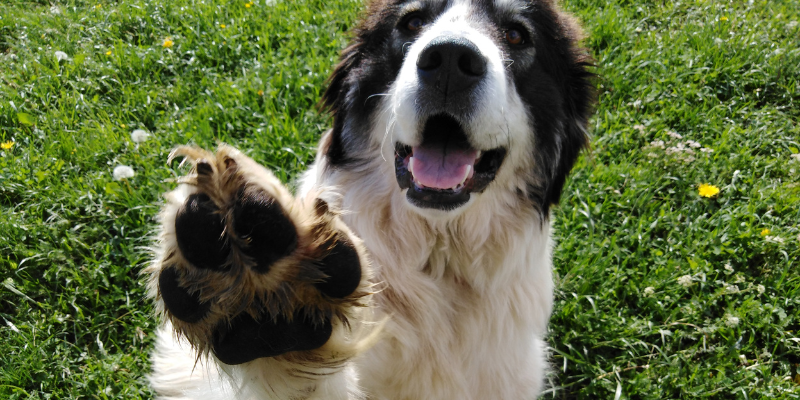
WIPING YOUR DOG’S PAWS AFTER EVERY WALK REMOVES ACCUMULATED RAGWEED POLLEN BEFORE IT ENTERS YOUR HOME.
Additional Care Measures During Periods of High Pollen Levels
In addition to protective clothing, establishing a daily cleaning routine after every walk plays a crucial role. Once you return home, always wipe your dog’s paws and abdomen with a damp cloth or towel. This removes pollen particles that have accumulated on uncovered areas of the body and prevents them from entering indoors.
It is also advisable to avoid walking through tall grass during the early morning hours, when airborne pollen concentrations reach their peak. Ultimately, by combining proper physical protection with diligent hygiene, you can help your dog enjoy a far more comfortable and peaceful allergy season.
Thank you for reading.
To discover more about how emotional alignment, balanced lifestyle, and authentic energy restore internal balance, read our wellbeing guidelines.
See you next time.
At Sasha Riess, we look past commercial labels to honor the unique biological blueprint of your companion. True health requires addressing the subtle internal patterns that create lasting vitality and pureloveandharmony. Discover the customized path to your dog’s longevity:Linktree Sasha Riess
👉 Follow our Facebook page and never miss our latest articles, news, and updates.
What If The Dog Was Never The Problem?
Прикажи ову објаву у апликацији Instagram