Protocol for Anal Glands A Holistic Path to Healthy Skin: From Microbiome to Homeopathy

Protocol for Anal Glands A Holistic Path to Healthy Skin: From Microbiome to Homeopathy

A dog’s skin health is not just a cosmetic issue. It is a direct reflection of internal balance, which is intrinsically linked to the function of the anal glands. When you face persistent itching, hair loss, or allergies, the solution does not lie in suppressing symptoms, but in strengthening the body at its root. Holistic dog care means supporting the microbiome, providing proper protection during walks, and using gentle yet powerful natural remedies to maintain internal equilibrium.

Microbiome: The Foundation of Immunity

Everything begins in the gut. Probiotic bacteria are the first line of defense in your dog’s body. If the microbiome is disrupted by poor nutrition, especially a diet based only on kibble, or by stress, the skin and the proper emptying of the anal glands are often the first to suffer. To understand how these bacteria support your dog’s health, you can explore more about probiotic function and its role in the body.

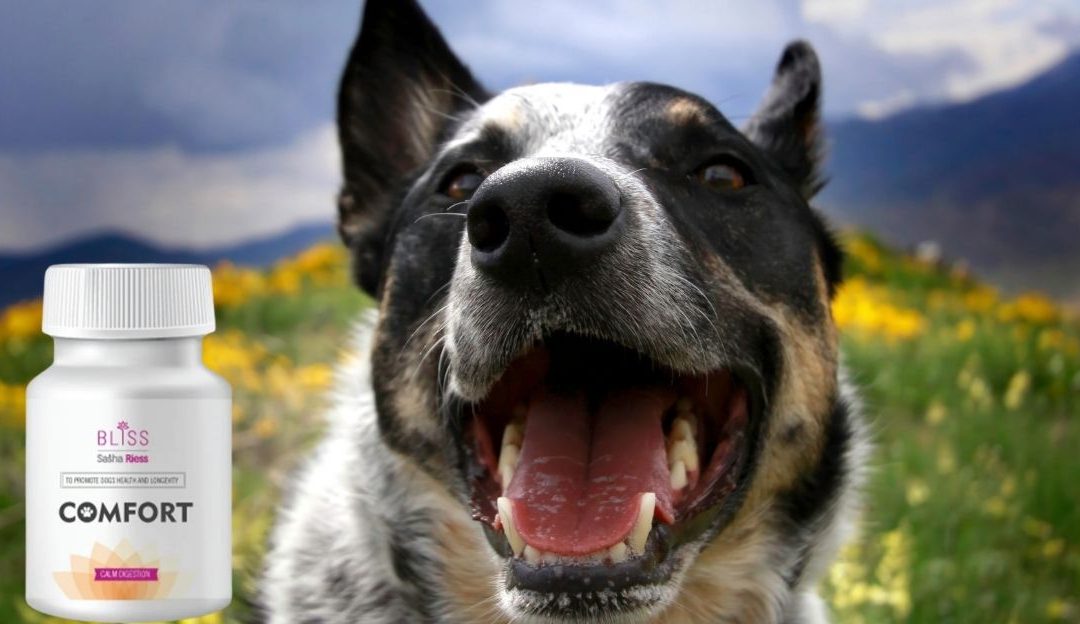
For those who want to take control themselves, natural probiotics can be prepared at home. If you are looking for a more structured solution, targeted probiotic support can help restore balance, alleviate pressure on the anal glands, and strengthen the entire system.

Homeopathic Protocol for Skin Conditions

Homeopathy offers a gentle path to healing without aggressive chemicals. For skin problems, histamine reactions, and inflammatory processes linked to internal blockages, the following remedies are commonly used:

  • Calcarea Carbonica

  • Hepar Sulphuris

  • Silicea

  • Causticum

Protocol of Use (total 10 days):

All remedies should be obtained from a local homeopathic association in potency 9C.

  • First 3 days: One pellet or one drop every 3 to 6 hours, depending on the severity of the condition.

  • Next 7 days: One pellet or one drop per day.

At Sasha Riess, we approach canine health as a unified ecosystem where gut immunity, glandular health, and skin vitality are deeply intertwined. Embracing a clean, natural lifestyle heals your companion from the inside out, establishing a foundation of pureloveandharmony. Restore your dog’s natural balance: Linktree Sasha Riess

What If The Dog Was Never The Problem?


View this post on Instagram
 

A post shared by Sasha Riess (@sashariess)

Anal Glands: Your Dog’s Invisible Signature and the Danger of “Blockage”

Anal Glands: Your Dog’s Invisible Signature and the Danger of “Blockage”

In the world of dogs, defecation is not just a physiological need; it is an act of marking territory. On the left and right sides of the anal opening are anal glands that secrete a specific fluid. When the stool has the proper firmness, it applies pressure as it passes, releasing this secretion and leaving a unique scent signature on the feces.

The problem arises when this natural mechanism fails.

How Food Solves the Problem of Blockage

The secretion inside the glands must remain fluid in order to be released easily.

However, if the dog does not have firm and compact stool, the necessary pressure on the anal glands is missing. The secretion stays inside, thickens, and leads to blockage.

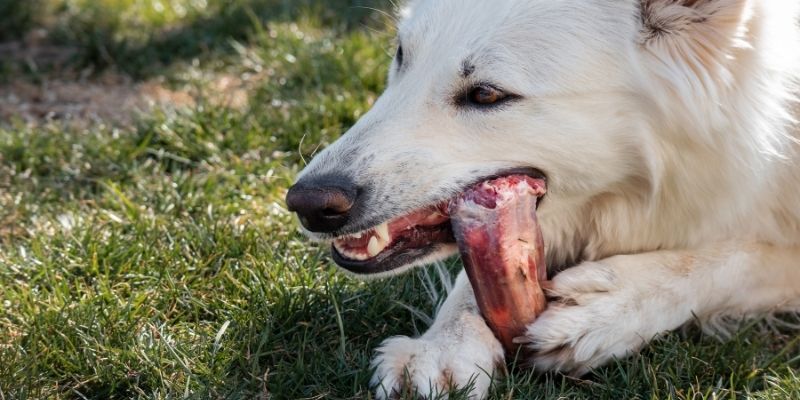
The solution is not constant manual expression, but proper nutrition. One fresh, raw bone per week can be enough to improve stool firmness and allow the anal glands to empty naturally, on their own.

Why You Should Not Leave the Dog Bowl Out After a Meal
Why Your Dog Won’t Eat from Their Bowl


One fresh raw bone as a natural solution to help empty anal glands in dogs

One raw bone per week supports the natural emptying of the glands.

Symptoms That “Shout”: The Glands Are Full

How can you recognize that your dog has a problem with its anal glands? Pay attention to these signs:

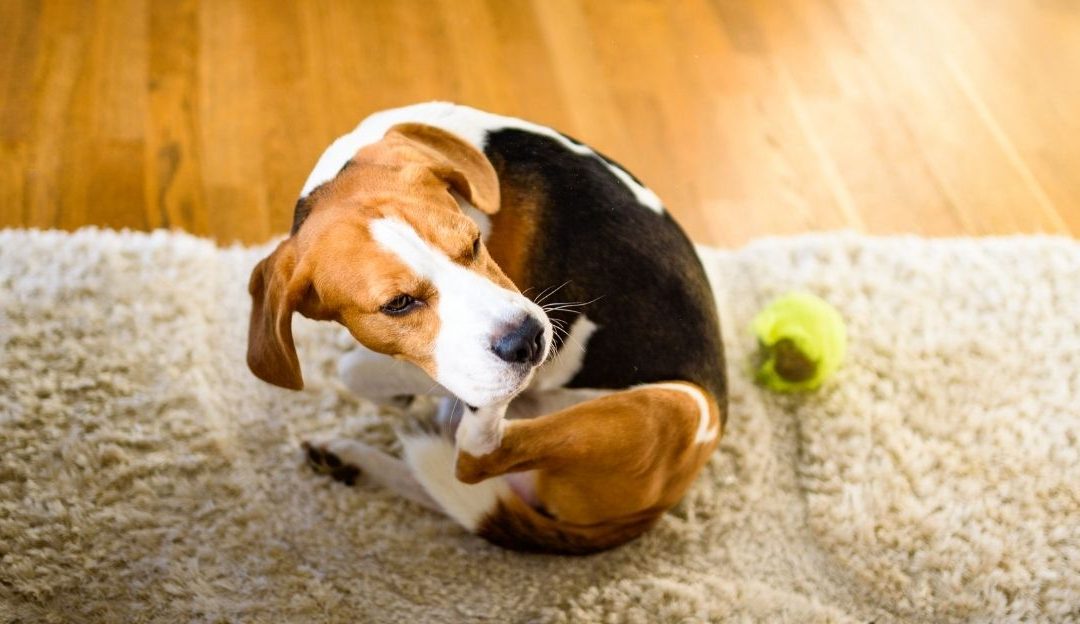
  • Scooting: The dog drags its rear on the ground to relieve pressure.

  • Hair loss: Intense scratching and hair loss around the base of the tail and lower back.

  • Physical changes: Swelling or redness around the sides of the anal opening, often accompanied by visible discomfort or agitation.

If you notice your dog constantly scratching the rear area or losing hair in that region, do not wait. The anal glands should first be manually expressed by a veterinarian or groomer, followed by an immediate adjustment in diet. Compact stool is the only way for this system to function as nature intended.


At Sasha Riess, we believe in addressing the cause, not just the symptom. Supporting the natural function of anal glands through proper biology is essential for pureloveandharmony. Keep the system moving: Linktree Sasha Riess

Sasha Riess Pure Love & Harmony Duo Pack The Complete Dog Coat Care System

What If The Dog Was Never The Problem?