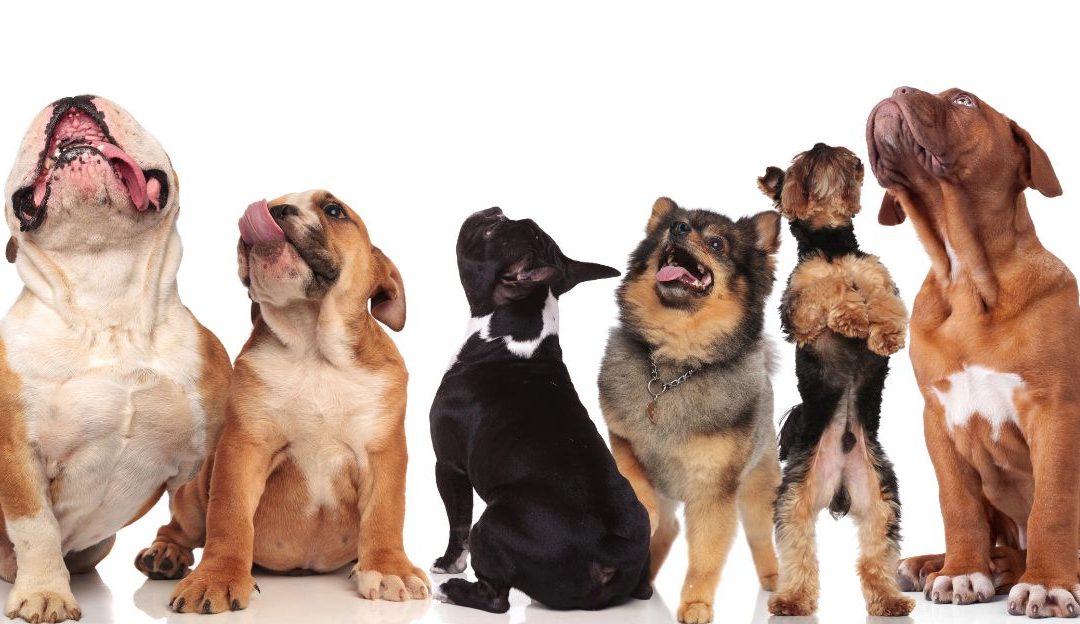
Many owners and animal lovers frequently ask questions about the specific characteristics of different types of dogs. They ask what I think about Maltese dogs, Shih Tzus, Bulldogs, Rottweilers, and many others. However, the most important lesson we must learn remains this: a dog is first and foremost a dog.
Everything else comes second. Every breed carries its own biological and physical characteristics, but the essence of every living being remains the same.
Why Every Breed Shares the Same Unique View of the World
When I think about the dogs I love and admire, I rarely think about breeds at all. Consequently, for me, there is no essential difference between a Maltese and any other dog. What matters most to us as owners is our desire to create a relationship that feels unique, personal, and meaningful.
Every dog possesses its own authentic way of perceiving the world around it. Therefore, that perspective does not depend on whether the dog represents a powerful Rottweiler, a stubborn Bulldog, or a gentle Maltese. Nor does it depend on the dog’s age. Each dog experiences life through its own individuality.
Understanding Matters More Than Labels
Instead of focusing on the limitations or challenges we believe a particular breed may bring when choosing and raising a dog, we should focus on education and a deeper understanding of canine psychology. That is precisely why exploring educational resources can prove so valuable. On our platforms, you will find a large collection of educational videos covering grooming, behavior, communication, wellbeing, and holistic approaches to working with dogs.
Simultaneously, every week, we publish new content designed to help owners better understand their companions. Often, the answers we seek are already available. All that we require is a willingness to learn and explore.
BUILD A RELATIONSHIP BASED ON UNDERSTANDING, NOT STEREOTYPES.
Build a Relationship Based on Understanding, Not Stereotypes
The moment we stop viewing dogs through the lens of breed stereotypes, we open the door to a more genuine connection. Every breed can develop healthy habits, emotional stability, and balanced behavior when approached with love, patience, consistency, and clear boundaries.
Whether your dog is large or small, purebred or mixed breed, the foundational principles remain the same. Always treat the individual in front of you, not the label attached to it. Ultimately, when understanding becomes stronger than assumption, relationships begin to flourish. And that is where true communication with a dog begins.
At Sasha Riess, we look past commercial labels to honor the unique biological blueprint of your companion. True health requires addressing the subtle internal patterns that create lasting vitality and pureloveandharmony. Discover the customized path to your dog’s longevity:Linktree Sasha Riess
👉 Follow our Facebook page and never miss our latest articles, news, and updates.
Dogs easily awaken the “Mom” and “Dad” in us. Understanding why we see them as our children is the first step toward avoiding the parenting trap and recognizing their true nature.
Neoteny and the Evolution of Dogs
When dogs began evolving from wolves and coming closer to humans, they had to find a way not to fear humans, and not to scare them either. This process is key to understanding why we see our dogs as our children. Throughout evolution, dogs retained neotenous characteristics—round eyes, small noses, and soft body lines—that trigger our parental instincts.
Baby-Like Features and the Parental Instinct
Humans are naturally drawn to beings with childlike features. Not only do dogs look like babies, but their behavior also reminds us of young offspring: they seek attention, depend on us, and remain emotionally attached.
[Image depicting the visual similarities between neotenous dog features and human infants]
Why This Becomes a Trap
A young wolf pup needs its parents to survive. An adult wolf can form a pack with others, but a pup cannot. The same applies to dogs: we’re naturally drawn to them and feel responsible for their well-being. That’s why we so easily fall into the parenting trap, seeing them as our children instead of recognizing them as independent beings.
Dogs are not our children, even though they awaken those instincts within us.
Baby-like features in dogs awaken our parental instincts, which is why we often see them as children.
Community and Love
Understanding the evolutionary background and neotenous traits of dogs helps us separate instinctive attachment from parental emotion. Dogs remind us of wolf pups, but their role in our lives is different. They are not our children; they are our partners in community, trust, and love. Recognizing this allows them to thrive as the animals they truly are.
At Sasha Riess, we respect the dog’s true nature. While we understand why we see our dogs as our children, we strive to move past the „parenting trap“ toward a partnership based on leadership and respect. This clarity brings us to a state of pureloveandharmony, where the dog is free to be a dog. Discover more: Linktree Sasha Riess
Anxiety in dogs is not random and it does not appear by accident. It is built through daily dynamics, tone of voice, and the emotions we express—or even more, the emotions we suppress. Many owners believe they have done everything “by the book,” yet they wonder why dogs become anxious. The answer almost never lies in the dog itself, but in what the dog feels from us.
The Dog Listens to the Heart, Not the Words
Imagine a young wolf in nature. If his mother panics, he concludes the world is dangerous. Your dog does the same. When an owner is emotionally unstable or insecure, the dog doesn’t listen to words—the dog listens to the heart, the breathing, and the body language. If the human feels unsafe, the dog forms an anxious pattern.
Common Mistakes That Lead to Anxiety
To understand why dogs become anxious, we must look at how we treat them:
Treating the Dog Like a Child: Phrases like „You are my everything“ place an emotional burden on the dog. They feel responsible for your state, a weight no dog can carry.
Suppressed Anxiety: You might say you aren’t anxious, but the dog feels what you hide. Suppressed fear transfers directly to them.
Overprotection: Constant „careful“ warnings signal that the world is a dangerous place where even you cannot protect them.
Inconsistent Boundaries: When rules change daily, the dog loses the structure they need for peace.
When we impose our emotions on a dog, we create a burden they don’t know how to carry.
How to Help a Dog Live a Stable Life
A dog does not need emotional worship; they need a stable owner. To resolve why dogs become anxious, provide:
Calm energy and routine
Clear rules and boundaries
Space for the dog to simply be a dog
The feeling that someone else is responsible for safety
When the owner is centered, the dog no longer feels the need to take over that role, and anxiety disappears as a natural consequence.
At Sasha Riess, we believe that a stable dog starts with a centered owner. By understanding why dogs become anxious, you can stop being an emotional burden and start being a calm guide, leading your pet back to pureloveandharmony. Discover more:Linktree Sasha Riess
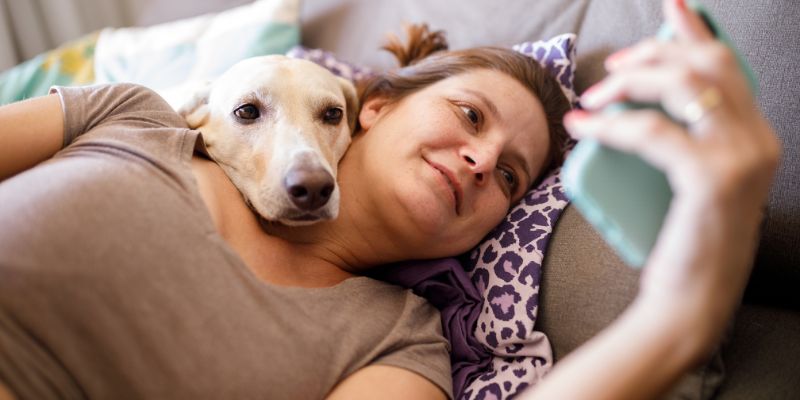
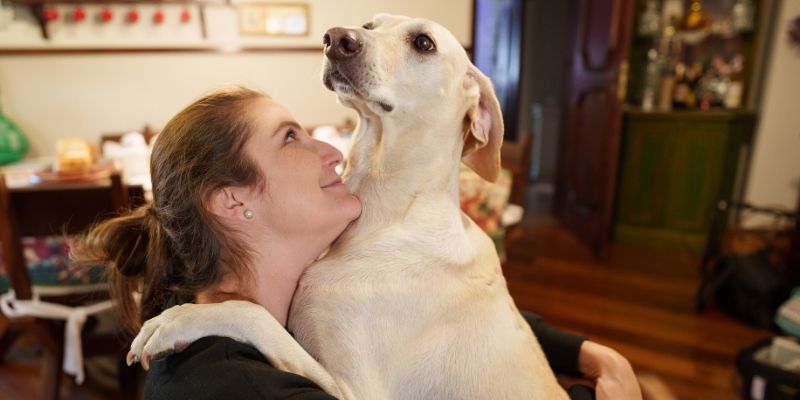
If your dog constantly sticks to you, asks for cuddles, and never leaves your side, the reason is not only love. There is a deeper emotional mechanism that many owners do not see. Understanding why does my dog stick to me is the first step toward building a balanced relationship.
When Affection Becomes Control
It may seem sweet when a dog climbs into your lap and repeatedly asks to be petted. And it is sweet, but only as long as you are the one deciding when the cuddling happens. The moment the dog begins to set the pace, it becomes a small game of power. Dogs are masters at gently pulling us into their rituals, and we often unintentionally hand over authority.
How to Restore Balance and Leadership
The problem is not the need for closeness, but who initiates it. If you are wondering why does my dog stick to me in a way that feels demanding, try this:
Briefly ignore the request: When the dog comes for cuddles, remain calm and do not respond.
Wait for them to settle: Once the dog walks away and relaxes, wait a minute or two.
Initiate the contact: Call the dog to you. Now, the same cuddling happens, but on your initiative.
Affection is vital, but it should happen when you initiate it.
The Leader as a Provider of Safety
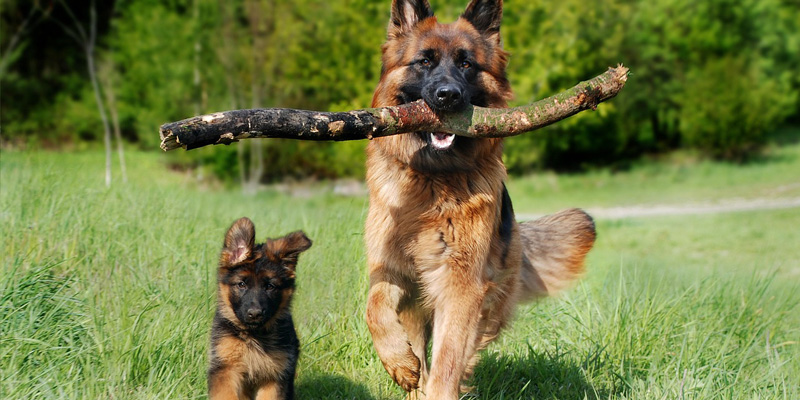
A dog does not need a boss; he needs a guide. Think of a wolf mother—she protects, gives boundaries, and offers love, but she also clearly shows what is allowed. This authority gives the pup a sense of safety. Without it, a dog feels lost, insecure, and constantly tense.
Our task is to give them a framework and the feeling that someone is steering the ship. That is what brings dogs peace.
At Sasha Riess, we know that true affection requires a foundation of structure. When you understand why does my dog stick to me, you can transition from being controlled to being a calm guide, restoring pureloveandharmony. Discover more: Linktree Sasha Riess