
by Sasha Riess | 03.07.26. | Behaviour
Stress cannot be separated from the context of health. Dogs that become ill are often the ones that have been warning us for a long time through their behavior. These warnings include pulling on the leash, excessive barking, or other similar issues.
Consequently, these behaviors are not just “bad manners.” They are clear results of a physiological collapse that has not yet escalated into a visible symptom. Therefore, understanding how stress triggers dog illness is essential because this silent killer changes the internal state long before a diagnosis.
The Trap of Symptom Masking
People often try to “smooth over” the problem or mask the symptom. However, this approach leads to losing the opportunity to resolve the issue at its core. A common example is self-deception around food allergies.
Many owners say that their dog is allergic to chicken, so they stop giving it. They believe the dog is now perfectly healthy. No, your dog is not healthy. He simply does not eat chicken. Give it to him, and you will see how ill he actually is. Ultimately, avoiding a trigger is not the same as healing the organism. This misunderstanding shows exactly how stress triggers dog illness by hiding systemic weakness.
Microbiome, Stress, and the Relationship With the Human
We return again to the processes within the microbiome. This internal system is inseparably connected to the level of stress. Furthermore, stress connects directly to the relationship between the human and the dog.
The Silence That Screams: Are We Leaving Our Unlived Wounds to Children and Dogs?
Bathing Dogs: Hygiene That Protects Internal Organs
Creative Flow in Grooming: The Moment When Technique Ends and Magic Begins
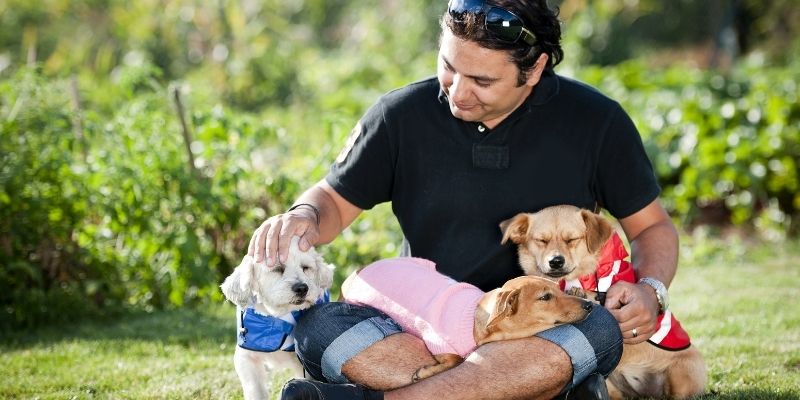
True healing begins with a deep change in communication and environment.
If you truly want to work on your dog’s health or behavior, you cannot skip the most important step. Whatever you plan to do, you must first remove stress.
Without eliminating stress, any therapy becomes only temporary masking. True healing begins with a deep change in communication and environment. This shift allows the microbiome and the nervous system to return to balance. To explore more about building a balanced connection with your companion, read our holistic behavior guidelines.
At Sasha Riess, we look past superficial symptoms to heal the deeper energetic and physiological imbalances. Eliminating stress from your dog’s environment is the first step toward true vitality and pureloveandharmony. Start your healing journey today:Linktree Sasha Riess
👉 Follow our Facebook page and never miss our latest articles, news, and updates.
by Sasha Riess | 01.05.26. | Behaviour
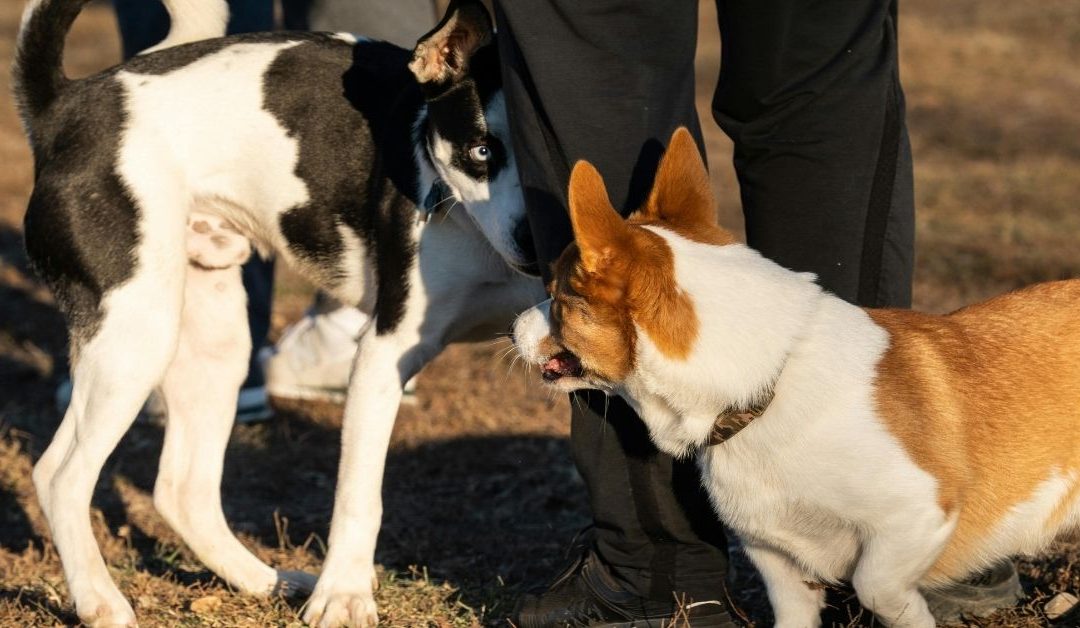
Many owners wonder why dogs lick everything and attack, jump on people, or show aggression toward other dogs. The answer often lies in the absence of a stable, trusting bond. When a dog lacks emotional security, it feels responsible for defending both itself and its human. That burden leads to overreactions, stress, and behavioral issues.
Licking and Aggression as Communication
When a dog constantly licks, jumps, or clings, it’s not just a habit—it’s communication. It can be a way of seeking reassurance or relief from anxiety. If this is paired with aggression, the root is usually insecurity. The dog believes it must take control because it doesn’t trust that the human is calm and in charge.
The Three Fear Responses: Flight, Freeze, Fight
Just like humans, dogs respond to fear in three main ways:
-
Flight: Trying to escape.
-
Freeze: Becoming stiff and motionless.
-
Fight: Aggression as a last resort. Growling or barking are not signs of dominance—they are expressions of fear and confusion.
How to Correct Behavioral Problems
A dog’s reactions depend on the quality of the bond. To address why dogs lick everything and attack, you must build a secure emotional attachment based on trust:
-
Consistency: The owner must be calm and predictable.
-
Rituals: Regular hours for feeding and walking create security.
-
Gradual Socialization: Introduce new environments in a controlled, low-stress way.

Paw licking is often a sign of insecurity and anxiety in dogs.
Trust: The Foundation of Balance
Excessive licking or barking are signals that the dog is seeking safety. When you become the calm center your dog can rely on, they no longer need aggression to feel safe. They become peaceful, not because they are trained to obey, but because they finally feel safe to simply be.
At Sasha Riess, we know that behavior is a mirror of the soul. When you understand why dogs lick everything and attack, you can stop managing symptoms and start building the trust that leads to pureloveandharmony. Discover more: Linktree Sasha Riess

by Sasha Riess | 24.03.26. | Behaviour
Negative influence on a dog is rarely the result of intentional cruelty. Much more often, it comes from the unconscious transfer of emotions, trauma, and inner conflicts from the owner. Dogs do not understand words the way humans do, but they deeply sense the emotional state of the person they live with. When a dog becomes a place where unresolved problems are discharged, the consequences inevitably appear in the dog’s behavior.
When a Dog Becomes an Emotional Support
Many owners unconsciously project their trauma onto their dog. They talk to the dog as if it were a therapist, confide their problems, and expect understanding. The dog does not respond with words, but it absorbs the emotional burden that does not belong to it.
Such a relationship does not heal the human, but it deeply burdens the dog.
Transferring Trauma Across Generations
If a person grew up in an environment of violence, emotional coldness, or manipulation, those same patterns are often transferred to the dog, usually in a milder form. There may be no physical violence, but there is control, emotional pressure, passive aggression, or constant tension. This is a negative influence on the dog that often goes unnoticed until it becomes serious.
How a Dog Shows That It Is Carrying Your Burden
Dogs clearly signal when they are under emotional pressure:
-
Constant tension or withdrawal
-
Excessive attachment to the owner
-
Fear without a clear cause
-
Digestive or skin problems
-
Unexplained aggression or apathy
These are not “bad dogs.” These are dogs carrying emotions that are not theirs

Dogs feel and absorb the inner conflicts of their owners.
Love Is Not Projection
If we only know how to love through control, fear, or pain, the dog becomes a victim of our patterns. Loving a dog does not mean transferring our wounds onto it. It means taking responsibility for our own inner state.
A dog is not therapy. A dog is a living being that reacts to the truth we live. Recognizing that you are negatively affecting your dog requires an honest look inward. A dog does not need a perfect owner, but a stable human being. When you begin to carry your own emotions, the dog will be the first to show relief.
At Integrative and Holistic Grooming Education, we believe that the mirror of a dog’s soul reflects the clarity of its owner’s heart. True well-being starts with emotional responsibility. Explore our philosophy: Linktree Sasha Riess