Many owners become worried when black stool in dogs appears, immediately suspecting internal parasites or bleeding. However, the truth is often much simpler. Just like in humans, stool color is a reflection of what your dog has eaten in the past hours.
When Is Dark Stool in Dogs Normal?
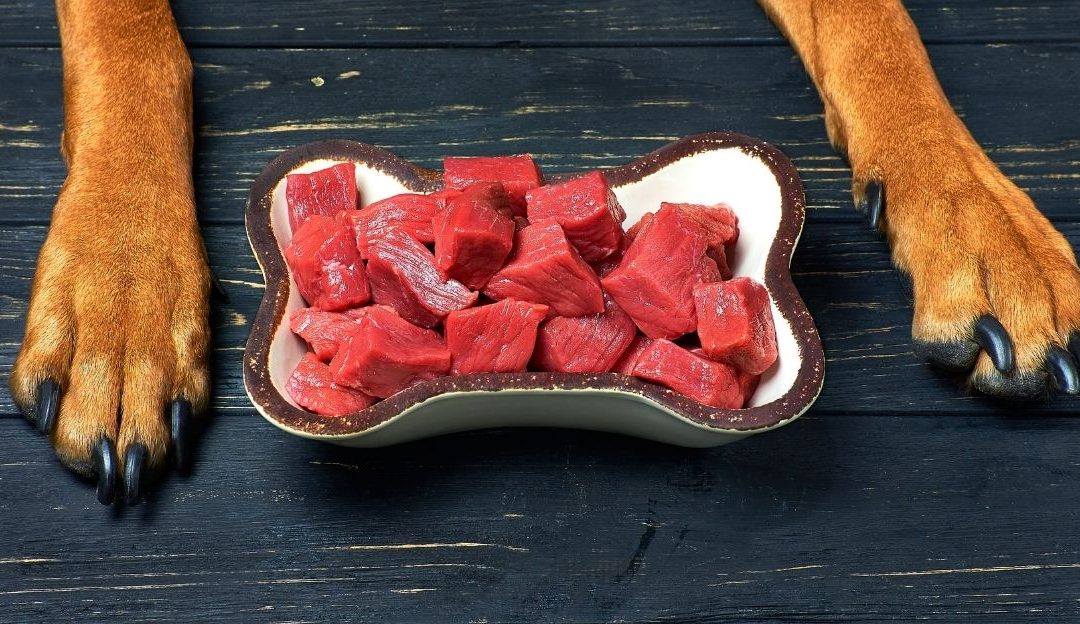
Dark stool is common in dogs that consume a lot of meat, especially organ meats, or eat cooked food. Certain foods can significantly change stool color. Just as beetroot can cause red shades in humans, specific ingredients can lead to black stool in dogs.
However, it is important to know that a black, tar-like stool can sometimes indicate internal bleeding in the upper parts of the digestive tract. That is why it is essential to observe behavior, not just color.
How to Recognize If Black Stool in Dogs Is Dangerous
Color alone is rarely the only symptom. If your dog has diarrhea but is still cheerful, active, and eating normally, it is most likely a temporary stomach irritation.
But if black stool in dogs appears along with the following symptoms, immediate attention is needed:
If you notice the problem without severe symptoms, the first step is to pause feeding for a short period. After that, for the next three days, offer a light diet: cooked rice and lean white meat with very little salt. This will help stabilize digestion, even if black stool in dogs was temporarily present.
At Sasha Riess, we look at the whole system to find balance. When dealing with issues like black stool in dogs, observing behavior alongside physiology brings pureloveandharmony. Keep track of their health: Linktree Sasha Riess
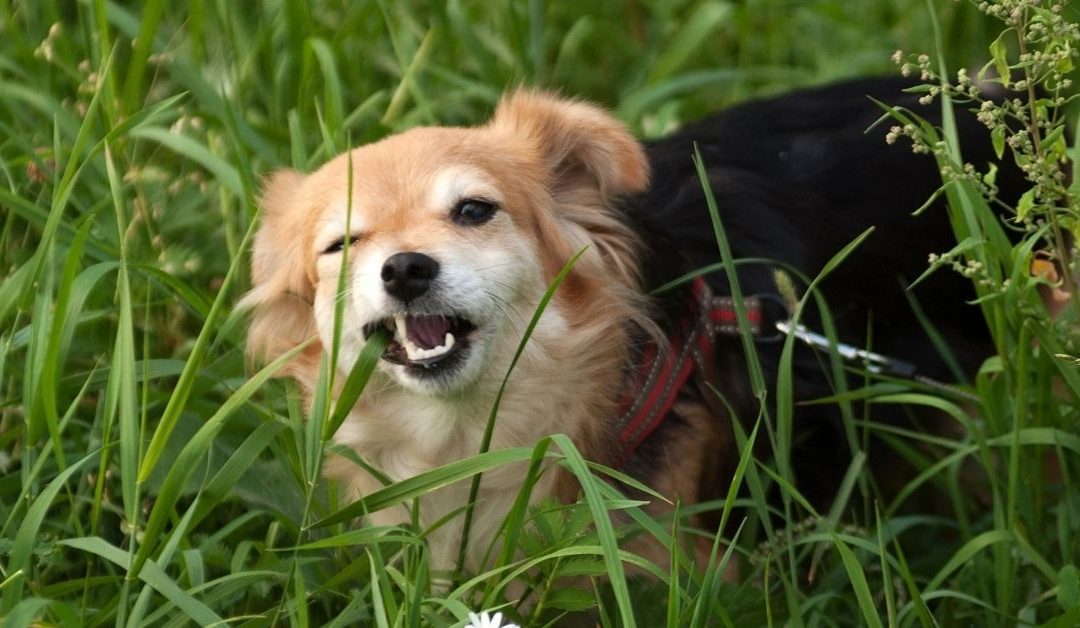
Many dog owners often wonder why dogs eat grass. While it might seem harmless or even odd, this behavior often hides subtle signals your dog is sending about their digestion or overall health. Understanding those signals is the first step in providing support and relief.
Is It Normal for Dogs to Eat Grass?
Occasional grass-eating is common and usually nothing to worry about. Most often, the reason lies in the digestive system; dogs instinctively eat grass to soothe stomach discomfort or speed up digestion. Sometimes it triggers vomiting, a natural detox process that helps the stomach release excess acid or undigested food.
A dog’s stomach produces incredibly strong acid, powerful enough to digest even raw bones. However, when the system is out of balance, grass becomes their natural medicine.
Warning Signs to Watch For
If you are asking why dogs eat grass more frequently than usual, look for these accompanying signs:
Vomiting or acid reflux
Lip-smacking or excessive drooling
A general sense of intestinal imbalance
Zeolite: Natural Support for Detox
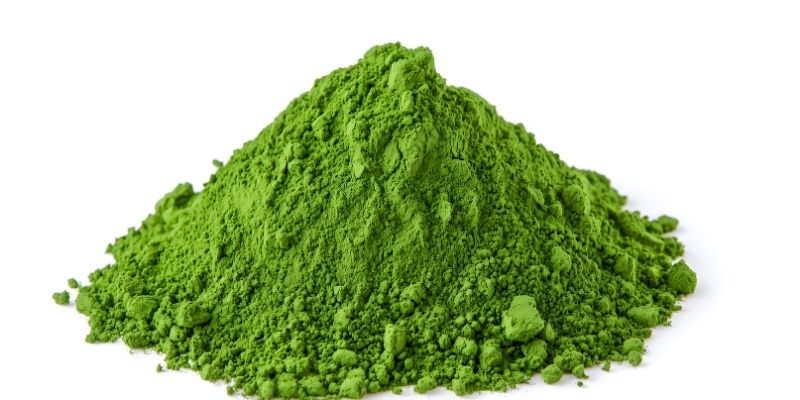
Zeolite is a natural mineral that helps detoxify the body and restore intestinal balance. For dogs, it can significantly reduce issues such as acid reflux and poor digestion.
How to Prepare Zeolite Water:
Add one tablespoon of zeolite powder to a glass of water.
Let it sit overnight.
In the morning, use only the clear water and discard the sediment.
Add one tablespoon of this water daily to your dog’s food or drinking water for about a month.
Chronic Gastritis in Dogs – When the Problem Is Not Only in the Stomach
Zeolite is a natural aid for dogs with stomach issues and digestive discomfort.
Conclusion – Understanding the Signal
A dog that occasionally eats grass is often just following instinct. However, frequent grass-eating is a clear sign that the digestive system needs help. Natural support can cleanse the body and strengthen the stomach. By observing your dog carefully, you can act early to maintain their health and vitality.
At Sasha Riess, we believe that nature provides the best solutions. When you understand why dogs eat grass, you can stop worrying and start supporting your pet’s natural detox process, bringing them back to a state of pureloveandharmony. Discover more:Linktree Sasha Riess
Did you know that your dog’s stomach acid can dissolve bones, but that its imbalance can lead to serious health problems? As someone who loves dogs and cares deeply about their well-being, I often think about what happens in their stomach while they gnaw on bones or swallow food.
A dog’s stomach acid plays a crucial role in digestion, and its strength can significantly affect your pet’s health. I want to share what I know about this topic, based on an understanding of canine stomach pH and the problems that arise when that acidity is out of balance.
Why Is a Dog’s Stomach Acid So Strong?
A dog’s stomach has an extremely low pH, between 1 and 1.5, which means it is very acidic. This acidity allows dogs to break down even hard materials such as bones, turning them into a soft, paste-like mass. Unlike humans, dogs rarely chew thoroughly. They swallow food in large chunks, and thanks to the strength of their stomach acid, those chunks are dissolved so the body can absorb nutrients.
However, problems appear when the acid is not strong enough. If the acid becomes diluted, food remains in large pieces, which can damage the stomach lining and cause ulcers. This raises an important question: what weakens stomach acid, and how does that affect our dogs?
A dog’s health begins in the stomach with proper nutrition and low pH.
What Weakens Stomach Acid?
Poor nutrition can greatly affect stomach acidity. Foods high in carbohydrates, fizzy drinks, or even excessive water intake during meals can dilute stomach acid. When the acid loses its strength, it cannot properly break down food. As a result, poorly digested pieces irritate the stomach, causing discomfort or more serious problems such as ulcers.
Dogs also do not naturally chew their food thoroughly. While humans chew to support digestion, dogs tend to gulp down their meals almost whole. If the stomach acid is not strong enough, it cannot process these large pieces, placing additional strain on the digestive system.
How Can We Support Our Dogs?
I try to give my dog the best possible conditions for a healthy stomach. Here are the things I do to help maintain balanced stomach acidity:
Quality nutrition: I choose food rich in protein and adapted to canine needs, avoiding processed carbohydrates that can dilute stomach acid.
Limiting water intake during meals: I make sure my dog does not drink too much water while eating, because this can weaken the acid.
Regular veterinary checkups: If I notice digestive issues, I consult my veterinarian to check the condition of my dog’s stomach.
Caution with bones: Even though dogs love bones, I give them in moderation and always under supervision, because excessive consumption can burden the stomach.
Why This Matters for Us and Our Dogs
Our dog’s health begins in the stomach. Watching my dog enjoy his meals every day reminds me how important it is that his stomach acid functions properly. Proper acidity not only supports digestion but also protects the dog from problems like ulcers or infections caused by poorly digested food.
Next time you watch your dog eat, remember how important that invisible acid in his stomach really is. With a bit of attention and the right nutrition, we can help them live healthier and happier lives.
At Integrative and Holistic Grooming Education, we know that external beauty is a reflection of internal health. A strong digestive system is the foundation of a vibrant coat and a happy spirit. Explore our philosophy:Linktree Sasha Riess