
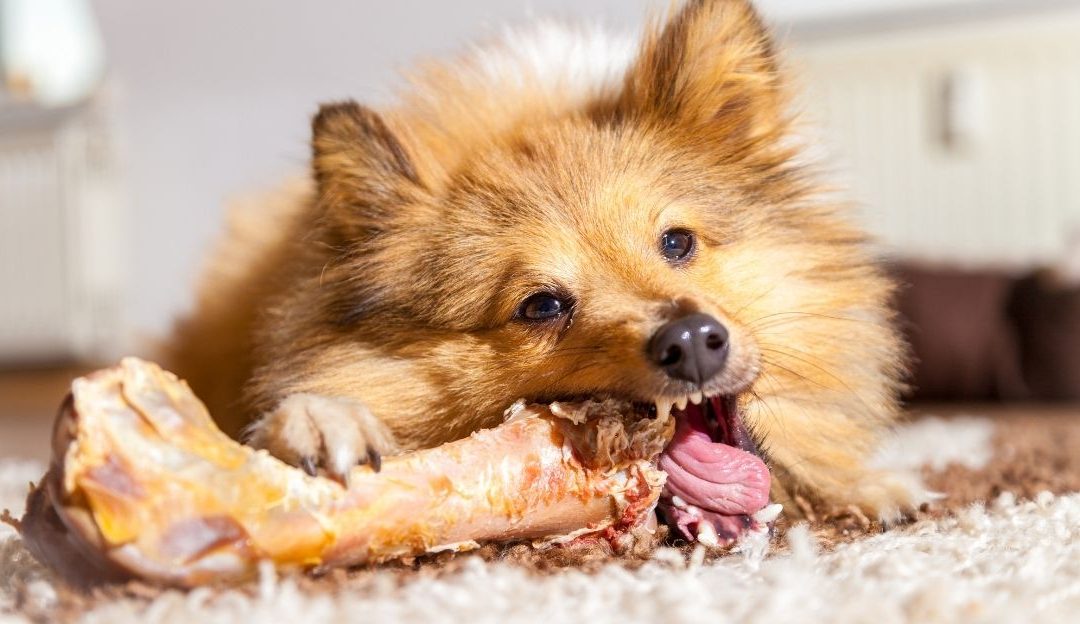
How to Take a Bone From a Dog Without Conflict

How to Take a Bone From a Dog Without Conflict

Taking a bone or food from a dog often seems like a small matter, but the way we do it can have a long-term impact on the dog’s trust and sense of safety. Knowing how to take a bone from a dog without creating stress or fear is essential for every owner.

Why Direct Removal Triggers Resource Guarding

In principle, a bone or food should not be snatched from a dog while he is eating or playing, unless there is a real danger—such as the bone becoming too small. Directly grabbing an object:

  • Activates the instinct to protect valuable items.

  • Disrupts the dog’s sense of safety.

  • Can create conditions for future aggression.

The dog does not understand that you are protecting him; he only understands that something important was taken away.

Recognizing Situations Where Safety Is Priority

Safety sometimes overrides the rule. You must act if:

  • The object is a choking risk.

  • You are leaving the house.

  • The dog carries it to an unsafe place.


The Proper Method for Safe Retrieval

The most important rule is: You do not take the bone from the dog. You take the bone that the dog has already left.

Step-by-Step Procedure:

  1. The dog is chewing the bone.

  2. Redirect the dog’s attention from a distance.

  3. The dog leaves the bone on his own to come to you.

  4. Remove the bone while the dog is focused on something else.

In this way, your pet does not experience loss or feel the need to defend a resource. This is the secret of how to take a bone from a dog correctly.

Redirecting and Rewarding Without Confusion

The dog should be rewarded for moving to another place, not for „giving up the prize.“ This distinction is crucial. If a dog thinks coming to you means losing his treasure, he will stop coming. Always reward the recall, and remove the object quietly when it is no longer on his mind.

When a Dog Stops and Waits: A Call to Silence, Not to Command
What Kind of Water Should Dogs Drink?
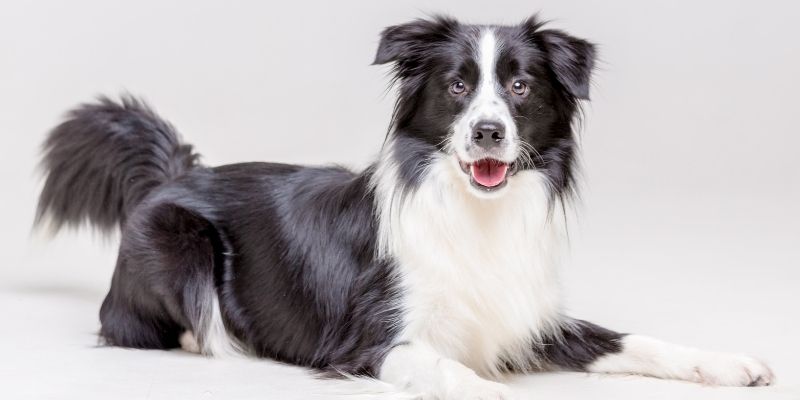
 

Redirecting a dog's attention before removing a bone, illustrating how to take a bone from a dog safely and without conflict

A bone is not taken – it is removed once the dog has left it.


Behaviors to Avoid During the Process

To maintain trust, avoid these common mistakes:

  • Do not „test“ the dog while he is chewing.

  • Do not say „give it“ while snatching the object.

  • Do not force the dog to choose between you and the bone.


Trust Is Built in Small Moments

The way you handle these items today determines how your dog responds tomorrow. When you understand the right approach, you teach him that a human does not threaten his resources but brings safety.


At Sasha Riess, we believe that leadership is built on trust, not force. Understanding how to take a bone from a dog by respecting their instincts is a key step toward achieving pureloveandharmony. Discover more: Linktree Sasha Riess
Magic Pins Combs: Precision, Durability, Excellence
Why Does My Dog Bite Me? Understanding the Language of Behavior

Why Does My Dog Bite Me? Understanding the Language of Behavior

It is not crucial whether you adopted your dog or bought him, how old he is, or which breed he belongs to. When we ask why dogs bite, the problem is almost never in the dog, but in the fact that the human does not understand the language the dog speaks.

A dog does not speak Serbian, English, or any human language. His communication is entirely behavioral. If we do not understand that behavior, we easily enter a relationship filled with misunderstandings, fear, and loss of trust.

A Dog Bites Because He Is Speaking and We Are Not Listening

A dog’s behavior is his only way to communicate with us. A bite is not an “attack without reason,” but a message that appears after all milder signals have been ignored. Understanding why dogs bite starts with recognizing these signals:

  • Distance and movement

  • Body tension or withdrawal

  • Control of space

  • Reactions to household structure

When these signals go unnoticed, the dog intensifies the message. The bite then becomes the last level of communication, not the first.

The Problem Is Not Aggression, but Misguided Closeness

One of the most common mistakes is developing a sentimental emotional bond between human and dog. Out of a desire to “give everything to the dog,” a person:

  • Erases boundaries

  • Treats the dog as an equal

  • Takes the role of emotional support instead of leader

The dog does not receive security from this, but confusion. This confusion is often the root cause of why dogs bite, because a dog that does not feel structure does not feel trust.

Dog Health and Truth: How Snežana Healed Bobi


Understanding the causes of a wrong emotional bond and why dogs bite

Without structure, a dog cannot develop trust.


Why a Dog Bites Even When We Are ‘Good’ to Him

Paradoxically, a dog may bite the very person who rescued, fed, and loved him. Not because he is ungrateful, but because he does not see the human as a stable figure and feels he must control things himself. In that moment, the dog does not bite out of hatred, but out of insecurity.

A Dog Does Not Seek Emotion, He Seeks Structure

Dogs do not ask for excessive empathy or emotional fusion. They seek:

  1. Clear rules

  2. Consistency

  3. Predictability

  4. Calm leadership

When these are missing, the dog tries to establish order on his own. The bite then becomes an attempt at control, not an attack.

How to Prevent a Dog from Biting

The solution is not punishment, but changing the relationship. To address why dogs bite, we must:

  • Learn the dog’s language instead of imposing yours

  • Set clear boundaries

  • Take responsibility for leadership

  • Reduce emotional confusion

A dog who trusts his human has no need to bite.