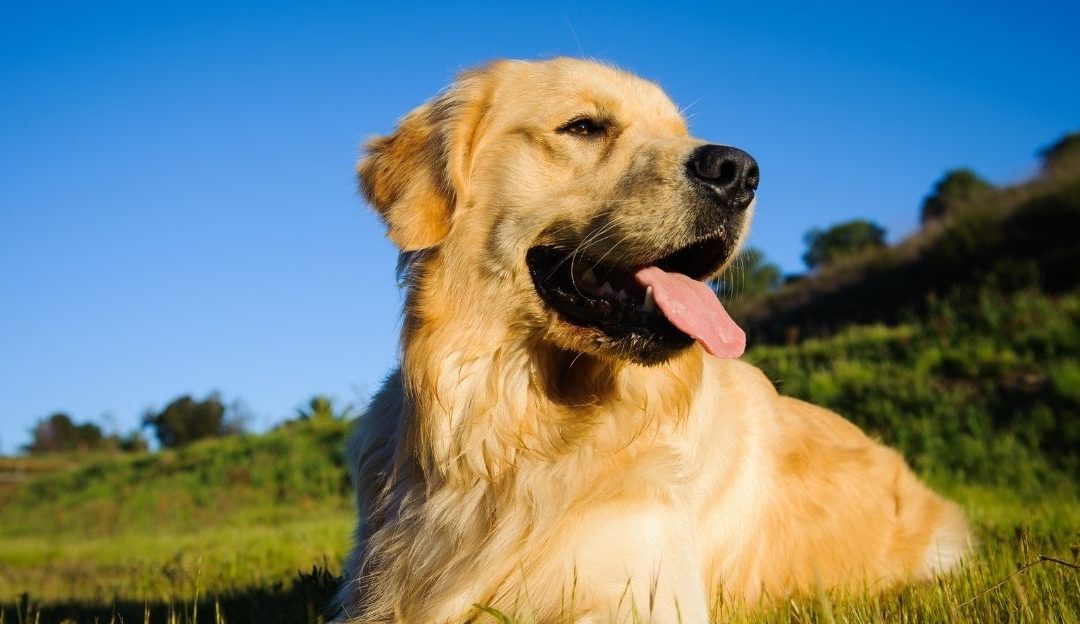
Understanding the benefits of organ meats for dogs is essential for every owner. Many dog owners believe they are doing something good for their pet when they serve them high-quality steak or meat cuts. But the truth is very different. If you constantly give your dog meat you would eat yourself, you are actually damaging their health over time. Here is why you should choose organ meats instead of steaks.
Why Organ Meats for Dogs Are Better Than Steaks
When someone asks me what is better for a dog, steaks or organ meats, my answer is always immediate: organ meats, without question. It may sound strange to many. People often think that if something is “good for humans,” it must be good for dogs too. But a dog is not a human. And that is where the biggest mistake of modern dog owners begins.
How Wolves Do It in Nature
Wolves, the moment they catch prey, eat the organs first. Not the muscles, not the “nice” cuts of meat, but the soft inner organs full of nutrients. These organs contain proteins, vitamins, minerals, all in a form that is natural and easily digestible for dogs.
And what do we do today? We open the fridge, take a steak or a fillet and think, “My dog eats better than I do.” In reality, we are slowly harming their system. Muscle meat, especially when not organic, is often full of water, hormones, antibiotics, and things a dog in nature would never eat. And most importantly, muscle meat does not contain the life energy that organ meats provide.
Health Benefits of Organ Meats for Dogs
When I give my dog a piece of liver, heart, or stomach, I know I am giving food that his ancestor, the wolf, would eat. There is no luxury in that, but there is everything a dog needs: pure proteins, vitamin A, B-complex vitamins, iron, and enzymes. A dog does not eat to experience “fine taste.” A dog eats to be healthy, strong, and long-lived.
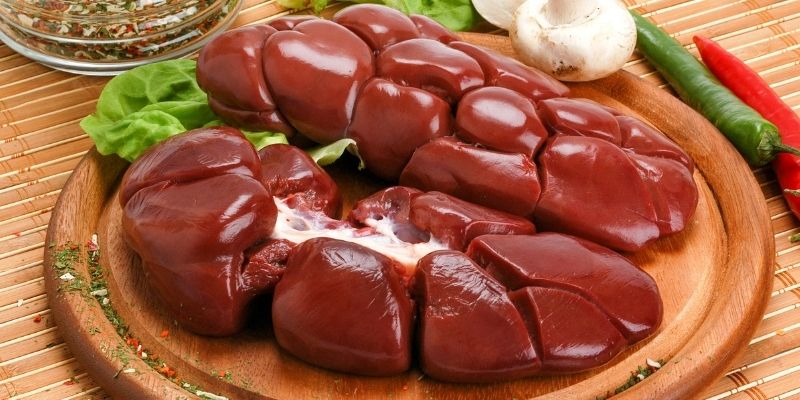
Fresh organ meats – a natural source of protein for dogs.
Why “Human Grade Food” Is the Wrong Approach
Today, especially in America, it’s trendy to feed dogs “human grade” food. But to me, that is completely wrong. When you give a dog human-grade food, you’re telling them, “You are a human.” But they are not. Their digestive system, energy, and nutritional needs are completely different from ours.
That is why in my home there are no luxury steaks for dogs. There are organ meats, bones, fruits, vegetables, and plenty of love. And you know what? The dog is healthy, strong, shiny, and bright-eyed. And that means more to me than any expensive pet-shop meal.
Feed Your Dog as a Dog, Not as a Human
If you want your dog to live long and healthy, feed them as a dog, not as a human. It may sound harsh, but it is a truth anyone who loves animals should know. A dog is not a creature that eats like us. It doesn’t want fancy portions or spices. It wants energy from natural foods, the kind it would eat in the wild.
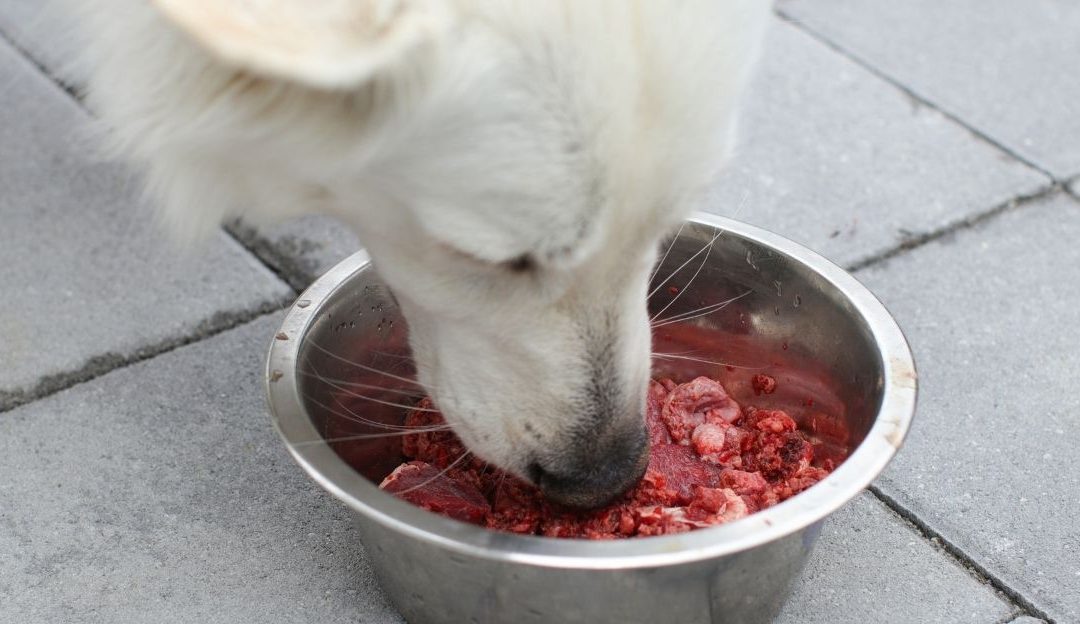
Do not forget: always feed dogs from white ceramic bowls.
At Integrative and Holistic Grooming Education, we believe that nutrition is the foundation of energy. To understand your dog, you must first respect their biology. Feed the nature, not the ego:Linktree Sasha Riess
Parvovirus in dogs is a disease that is rarely discussed openly, even though it is extremely dangerous and can have fatal consequences. From personal experience and conversations with dog owners, I have learned that vaccination does not always mean complete protection. I want to share my understanding because I believe every dog owner should be aware of the full scope of prevention within the human dog relationship.
Vaccination and Parvovirus: Where the Problem Begins
“My dog was vaccinated three times and still died from parvovirus.”
At first glance, this sounds impossible. Yet, it is not an isolated case. I have heard similar stories from many owners, including my own students. One of the reasons is that viruses such as canine parvovirus and coronavirus can evolve over time, while vaccines are developed based on known strains.While vaccination significantly reduces risk, it is not an absolute guarantee. A dog may receive all required doses yet still become ill if multiple factors weaken the body’s ability to respond.
Why Vaccine Quality and Timing Matter
A vaccine may still be within its expiration date, but that does not always mean it reflects the most recent formulation. Veterinary vaccines are periodically updated to improve coverage. This is why, in a conscious human dog relationship, it is important for owners to ask veterinarians about the specific protocol and the „freshness“ of the strain coverage, rather than relying solely on a date in a passport.
The same principle applies to parasite prevention. Preparations suited to current conditions and used correctly provide much better overall protection.
The Role of the Immune System: Protection Beyond Vaccination
Even the most up-to-date vaccine cannot replace a strong immune system. Dogs with resilient immunity cope better with viral exposure. In practice, this means that a dog’s lifestyle is the true foundation of the human dog relationship:
Nutritionally balanced and appropriate diet.
Regular physical activity.
Minimal chronic stress.
Routine veterinary monitoring.
A dog living in a stable, healthy, and active environment develops a stronger physiological response. Such an organism is better equipped to recognize and respond to pathogens, even when external protection is not perfect.
A healthy lifestyle strengthens a dog’s natural immunity.
Why Vaccination Alone Is Not Enough
Modern veterinary care often places a strong emphasis on vaccination, which is essential and should never be dismissed. However, vaccination alone is not sufficient. Without a supportive immune system and attentive daily care, a dog remains vulnerable. True prevention is a combination of factors: vaccination, immune resilience, and quality of life must work together.
A Message to Dog Owners
Do not rely solely on the vaccination calendar. Speak openly with your veterinarian about protocols and your dog’s overall health. Invest daily in your dog’s wellbeing through nutrition, movement, and emotional stability. Only through this integrated approach can we offer dogs the life and protection they truly deserve within the human dog relationship.
At Integrative and Holistic Grooming Education, we believe that precision in nutrition is a reflection of our care. When we measure with love, we feed the soul. Explore our philosophy: Linktree Sasha Riess
Autophagy as a Natural Remedy: What It Means for Dogs
Autophagy is a natural cellular renewal process during which the body uses periods without food to break down damaged, old, or potentially cancerous cells.In humans, it is often discussed in the context of fasting. In dogs, however, autophagy in dogs is not an exception but a part of their biological normality.
Every day, the body creates thousands of potentially cancerous cells, and many of them are eliminated by the immune system. This process works most efficiently when the body is not burdened by digestion. The same applies to dogs. Regeneration and optimal immune function occur precisely during periods when the dog is not eating.
Why Dogs Do Not Need to Eat Every Day
Unlike humans, dogs do not naturally follow a three meals a day rhythm. Wolves, their direct ancestors, often eat only a few times per week, sometimes even once every seven to ten days. The reason is simple. Hunting requires enormous energy expenditure, so meals are not a daily event.
Because of this, dogs are not biologically programmed to constantly feel hunger. A dog eats when food is provided by humans, not necessarily when the body signals true starvation. For this reason, it is recommended that dogs do not eat too frequently. Less frequent meals allow the body to activate autophagy in dogs, reset itself, cleanse internal processes, and regenerate.
In periods without food, a dog’s body enters a state of regeneration.
The Myth of the Always Hungry Dog
Owners often believe that a dog is always hungry simply because he eats with great appetite. However, dogs have evolved to eat everything that is offered to them because they never know when the next meal will come.
That is why it is not advisable to feed a dog every time he asks for food or to repeat meals too often throughout the day. Overfeeding slows digestion, burdens the pancreas and liver, and prevents the natural process of autophagy in dogs.
Recommendation
Although individual needs vary depending on age, breed, activity level, and health status, the general principle is simple. Less frequent meals are better, provided the diet is balanced and nutritionally rich.
Many dogs function very well on one meal per day, while others benefit from an occasional day without food. This is completely natural and aligned with their biology. By allowing periods of fasting, you are supporting the essential process of autophagy in dogs, ensuring long-term health and vitality.
At Integrative and Holistic Grooming Education, we believe that every physical symptom is a message. Understanding these signals and addressing them through a holistic lens is at the heart of everything we teach to ensure the well-being of every dog in our care. Learn more about our Holistic Approach.