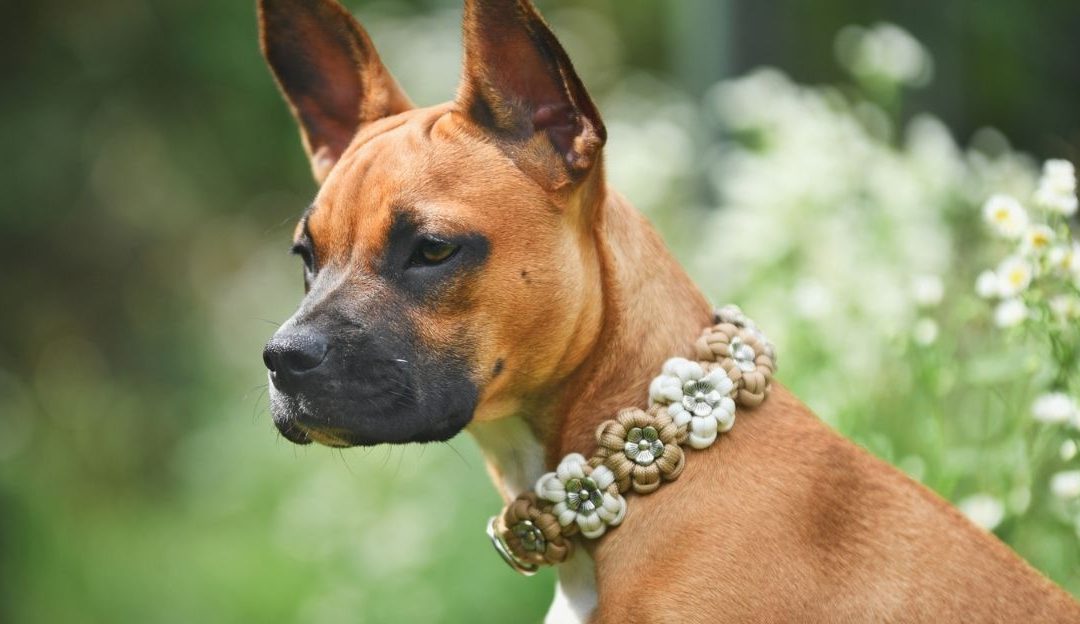
by Sasha Riess | 25.03.26. | Emotions
When we banned chains, we thought we had done something great, something civilized and humane. We freed dogs from chains, but not from ourselves.
Sophisticated slavery in the name of love
We passed laws, declared victory over cruelty, and celebrated ourselves as protectors of life. But the truth is far deeper and much darker. Because while we were breaking iron, we forgot that chains are not made only of metal.
Today, dogs are no longer tied to trees. They are tied to us. To our fears, insecurities, ambitions, emptiness, and projections. Their new collars are not made of steel, but of energy. Silent and invisible, yet incomparably stronger. And while in the name of love and freedom we removed visible chains, in the name of those same words we created new ones, subtle, unbreakable, and far more cruel.
Today we no longer use chains. We design them. We make them from fine leather, order handmade buckles, decorate them with crystals, gold plating, initials, and logos. We call them leashes, as if a new word has the power to erase the old truth. We sell them in luxury boxes, photograph them on marble floors, advertise them as status symbols and proof of a special bond between human and dog.
And while we praise how far we have progressed in our relationship with animals, no one dares to say what is obvious. This is not freedom. This is sophisticated slavery. A new level of hypocrisy in which humans have surpassed themselves. Never before have we managed to turn restraints into fashion accessories and call that act love.
The Energetic Chain: When a Dog Becomes Our Emotional Prosthesis
We call them “our dogs.” We tie them to beds, couches, terraces, yards, to every moment of our sadness, boredom, and insecurity. They are no longer guardians, hunters, or companions. They have become emotional buffers, carriers of our inner emptiness.
Every time we are afraid, they feel it. Every time we argue, they carry it. Every time we want love we cannot give ourselves, we take it from them.
And so, while they smile in our photographs and wear scarves at Christmas, dogs die more slowly than ever before. Because their collapse is not physical. It is energetic. A collapse of connection with their true place in the order of life. In the natural order of the world, the dog is a bridge between humans and wilderness. He stands between instinct and consciousness, between darkness and light, between life that fights and life that loves. But we have turned that bridge into a wall. Instead of respecting it, we possess it. Instead of listening, we use it.
When the Dog Becomes a Mirror: Invisible Chains of Human Imbalance
In the order of harmony, every being has its place. When someone leaves their place, the system reacts, distorts, seeks balance. The dog has always been a guardian of balance between humans and nature. Today, as we are cut off from the earth, dogs become our sensors, transmitters of our imbalance.
The modern dog is no longer free even within his own nature. He is not allowed to bark because it bothers neighbors. He is not allowed to run because he gets dirty. He is not allowed to sniff because it is “unhygienic.” His drive to hunt, to move freely, to touch water and mud, everything that makes him a dog, we label as a “behavioral problem.”
We have created dogs that are obedient, sterilized, trained, emotionally saturated, yet spiritually dead and physically zombie-like. This is the price of our comfort. And while we believe we have freed them, they have become prisoners of our “humane” concepts. The chain of normality is the strongest of all. Because there is no scream, no audible pain, no blood. Only silent sadness in the eyes of a dog who knows he has lost the right to be what he is.

„He has everything, except himself.“ Our homes have become camps of love.
Invisible Chains of Love Without Boundaries
Every love without boundaries becomes violence. We do not see it because we believe we love. But love without awareness of place, without respect for distance, without honoring another nature, is not love but obsession.
A dog does not ask to be loved like a child, but to be respected as a being. When a dog lies next to us, he does not ask to become human. He asks to remind us that we are animals too. That we breathe, feel, and move through the field of life just like he does. But we rejected that lesson, and now dogs look at us with the same gaze wolves once did, a gaze of understanding and sorrow.
Our homes have become camps of love. Everything looks gentle, clean, and orderly, yet in that sterility something is dying. Every dog who has lost contact with his body, with the earth, with a sense of meaning, becomes a victim of our system of “care.” We call this a humane society, but that society does not know true freedom. Because true freedom is not the absence of a chain, but the presence of awareness. And we have not become aware of our place in relationship with dogs. We have only changed the material.
The Camp of Kindness: Are Our Homes Prisons for Dogs
In the order of harmony, the dog has a deep purpose. He does not exist to serve, but to testify to how far we have strayed from ourselves. When a dog loses peace, it is a sign that we have lost touch with the source. When a dog becomes ill, it is a message that the system between human and nature is broken.
The dog does not carry our mistakes as punishment, but out of loyalty. He will carry our imbalances until we admit that they are ours. And when we do, when we bow to his pain as a mirror of our own unconsciousness, that invisible chain breaks.
False Freedom, Real Suffering
In the desire to give them freedom, we stripped dogs of meaning. In the desire to protect them, we took away their task. In the desire to love them, we took away their dignity.
The law that banned chains is not wrong. It is incomplete. Laws do not change awareness, only behavior. And behavior without awareness becomes a new form of unfreedom. Real change is not when a dog is no longer tied, but when a human stops tying him into their own processes and problems. When we stop seeking confirmation of our value in his gaze. When we stop using his loyalty as medicine for our insecurity.
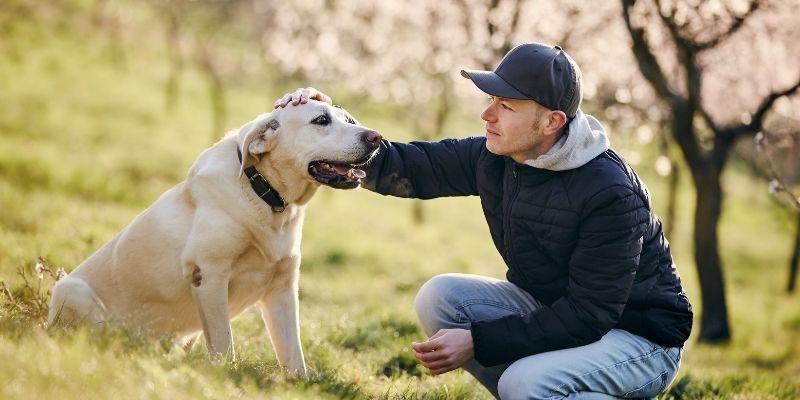
True freedom is not the absence of a chain, but the presence of awareness.
The Dog as a Prophet
Perhaps one day, if we are quiet enough, we will hear what the dog is trying to tell us. That we do not need to be pitied, but awakened. That the real chain is not between dog and tree, but between human and hypocrisy.
And perhaps then we will understand that the dog does not come into our life to be “ours,” but to teach us how to be part of the world he also belongs to. Not owners of life, but participants in it. Imagine a dog sitting in a yard without a fence. The wind carries the scent of earth, leaves rustle, and he simply breathes. In his eyes there is no fear, no dependency, no expectation. Only peace. That is the image of freedom.
Now imagine another dog, clean, groomed, loved, in an air-conditioned apartment, always in company, but never in silence. His body looks relaxed, but his soul and every muscle are tense. He looks through the window and does not understand where he went wrong.
We say, “He has everything.” But if he could speak, he would say, “I have everything, except myself.”
We freed dogs from chains, but not from ourselves. And as long as we refuse to see what we do not want to admit, that our dogs have become extensions of our inner prisons, freedom will remain only a word. Only when we stop binding them invisibly and finally return to them the place that belongs to them in the order of life will the dog once again be what he has always been: the guardian of the sacred bridge between us and nature. The same nature we admire from afar, while with every action we push it toward the abyss.
And only then might we realize that as long as we keep dogs imprisoned in our fears and illusions, we ourselves remain the greatest prisoners, walking tirelessly toward our own end, convinced we are civilized, while in truth we accelerate our own destruction.
At Integrative and Holistic Grooming Education, we believe that true connection requires the courage to let go of control. Respecting a dog’s nature is the ultimate expression of love. Explore our philosophy: Linktree Sasha Riess
by Sasha Riess | 09.02.26. | Behaviour
The moment you start asking yourself why your dog seems restless, sad, or anxious, remember one thing: A dog would never do what we do to ourselves every single day. This is exactly why a dog so clearly feels every inner lie, every fracture, and every self-betrayal.
A Dog Feels Your Energetic Signature
To a dog, everything matters. They don’t hear your words; they feel the energetic signature of your decisions. They watch you as you:
-
Go to a job you hate.
-
Stay in a marriage where there is no love, only habit or fear.
-
Attend social events with people you dislike, wearing a mask of politeness.
-
Sacrifice your peace just to „show respect“ or maintain appearances.
The dog sees all of it. Reads all of it. Feels all of it.
Animals Live in Harmony; Humans Live in Conflict
No animal in nature would ever live against itself. A dog would never:
An animal lives in harmony with its own being. A human, however, often lives in a constant state of internal conflict.
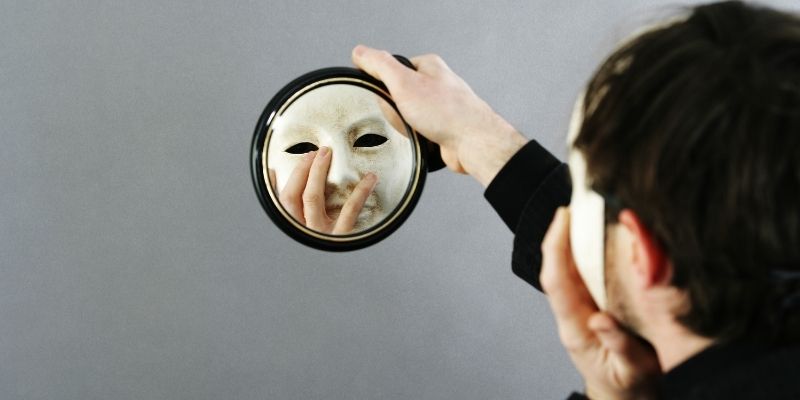
A dog does not hear your words; it feels the energy of your decisions.
Your Dog Feels Your Inner Dishonesty
When you finally turn toward your own life and ask:
-
How honest am I with myself?
-
How honest am I with those I love?
-
Who am I pretending to be?
You will realize that the greatest suffering doesn’t come from the outside, but from the betrayal of your own truth. Your dog suffers with you not because you are „bad,“ but because the dog sees what you are trying to hide.
A mask can deceive people, and makeup can hide a sleepless night—but a dog can never be deceived.
This profound connection between human integrity and canine well-being is the foundation of our work. At Integrative and Holistic Grooming Education, we teach you how to achieve the systemic balance that allows both you and your dog to live authentically and healthily.
by Sasha Riess | 08.02.26. | Emotions
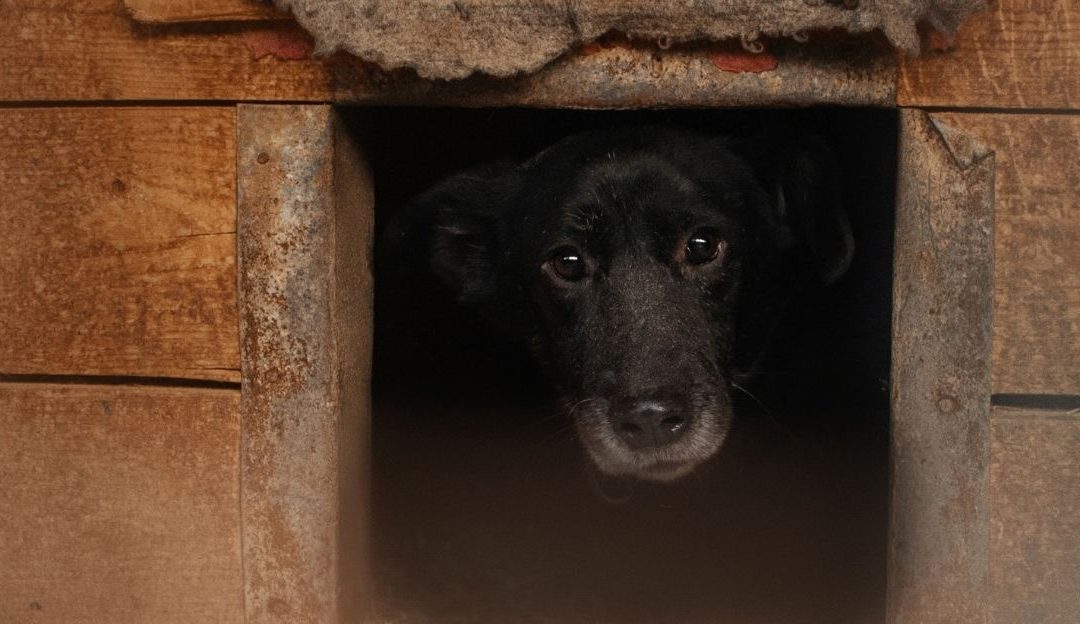
There is an ancient teaching that says meeting a black or white dog is a sign of respect. This isn’t because these dogs are biologically different, but because dogs as a species have always been closest to humans. This is where a topic begins that is rarely spoken about openly: Black Dog Syndrome.
What Is Black Dog Syndrome?
Black Dog Syndrome is a term used worldwide to describe a heartbreaking phenomenon: black dogs are adopted less often, end up in shelters more frequently, and are more easily abandoned or euthanized.
A black dog is often the first to be left on the street and the hardest to find a home for. This has nothing to do with the dog’s character; it is entirely about human projections, fears, and the symbolism we attach to color.
Black and White: Same Essence, Different Perception
In nature, black and white have equal value. A dog does not know whether it is black or white; it only knows whether it belongs or does not belong.
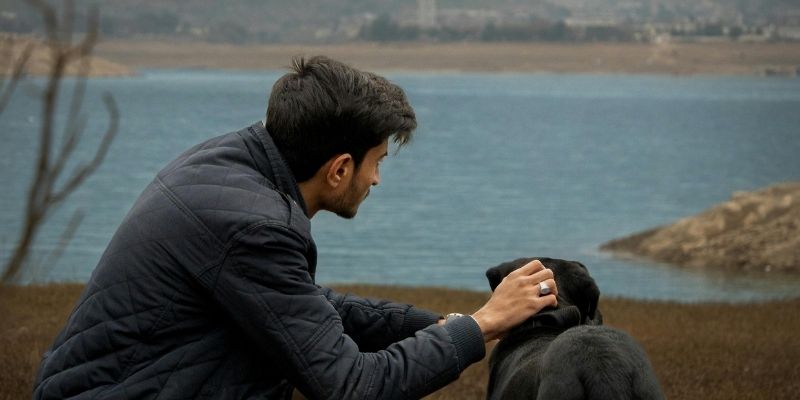
A dog does not know its color – it only knows whether it belongs.
The problem begins with human perception:
-
Viewing black dogs as „more dangerous.“
-
Believing they are harder to train.
-
Considering them „less photogenic.“
-
Projecting personal fears onto the color of their coat.
The Responsibility of Those Who Choose Black Dogs
Caring for a black dog carries a greater responsibility. Not because the dog is problematic, but because society’s attitude toward them is. Choosing a black dog is a conscious decision not to participate in collective rejection.
The Dog as a Mirror of Humanity
There is no animal that has suffered so much because of humans, nor one that has given us such unconditional closeness. The way we choose dogs says more about us than it does about them.
Every dog, regardless of color, seeks the same things: belonging, safety, and peace. A black dog is not a symbol of darkness; it is often a victim of the human fear of our own reflection.
This understanding of a dog’s emotional and physical state is at the heart of everything we do. At Integrative and Holistic Grooming Education, we teach people how to apply these principles of stability and care in their everyday lives with their dogs, helping create calm, healthy, and happy results.
by Sasha Riess | 05.02.26. | Behaviour
Many dog owners believe their dog can pull them out of emotional pain, fix their inner struggles, or carry their stress and anxiety. But dogs are not therapists, psychologists, or rescuers. They do not have the tools or understanding to emotionally repair us or solve our problems.
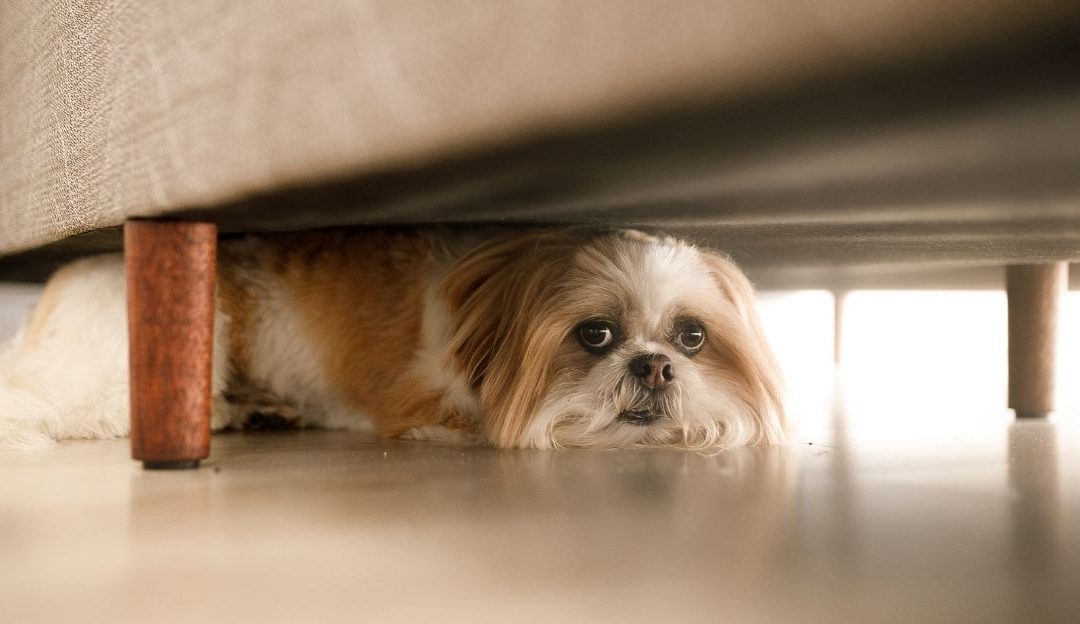
Imagine this situation: You feel anxious, worried, or overwhelmed by life challenges and you often seek comfort in your dog. Although your dog offers love and closeness, it cannot resolve your worries. Instead, the dog absorbs your stress, senses your inner unrest, and may begin to suffer emotionally and physically.
A dog cannot say „give me a break“ or „this is too much for me.“ The dog simply reacts to your behavior and your energy. When people expect dogs to be saviors of their emotions, they unknowingly place their burden onto a being that has no capacity to carry it.
How Projected Stress Affects Dogs
When we place our problems onto a dog, we risk its health and happiness through:
-
Physical health: Long-term stress in a dog can cause digestive issues, sleep disturbances, and lowered immunity.
-
Emotional state: The dog becomes nervous or anxious and may develop destructive behavior or withdrawal.
-
Bond with the owner: Constant exposure to negative emotions can weaken the sense of trust and safety in the home.
Separating human problems from the pet protects their happiness and health.
Owner and Dog: Establishing a Healthy Boundary
Separating human problems from the dog protects the dog’s happiness and health. Responsible ownership means protecting the dog’s peace, stability, and well-being, not loading it with a weight it was never meant to carry.
How to Properly Support Your Dog
-
Separate your problems: Recognize when you use your dog as an emotional outlet and seek human support from friends, family, or professionals.
-
Structured play and routine: Dogs function best in a stable environment. Consistent routine helps them remain calm.
-
Mental and physical activity: Walks and play help the dog release its own stress, not yours.
-
Emotional connection: Dogs offer comfort and love, but they cannot solve human problems. When this is understood, love becomes healthy for both sides.
A dog is not your savior. The dog loves and offers support, but cannot carry human emotional burdens.
This understanding of a dog’s emotional and physical state is at the heart of everything we do. At Integrative and Holistic Grooming Education, we teach people how to apply these principles of stability and care in their everyday lives with their dogs, helping create calm, healthy, and happy results.
by Sasha Riess | 03.02.26. | Behaviour
Dogs are deeply connected to humans so much that we sometimes forget they are not ordinary animals in a scientific sense. Although zoology studies species across the planet from insects to large mammals, dogs are almost never a central topic of zoological research. The reason is not simple, but it reveals much about how dogs came to be, how they function, and why their world cannot be understood without the concept of the human.
Why Dogs Are Not a Subject of Zoology
Zoology deals with animals in their natural form as they would exist without human influence. That is exactly where the issue with dogs begins. A dog is not a species shaped by nature but a species shaped by humans. Through thousands of years of selection, people created hundreds of breeds with characteristics that would never be sustainable in nature: short muzzles, extremely short legs, very large bodies, unusual proportions, and physiology that depends on constant human care.
Because of this, many biologists and zoologists view dogs and zoology as two separate worlds. Many scientists describe dogs as degenerated forms of a species, not in an emotional sense but in a biological one. They are shaped in a way that would not allow them to survive without humans.
How Selection Changes the View of Zoology
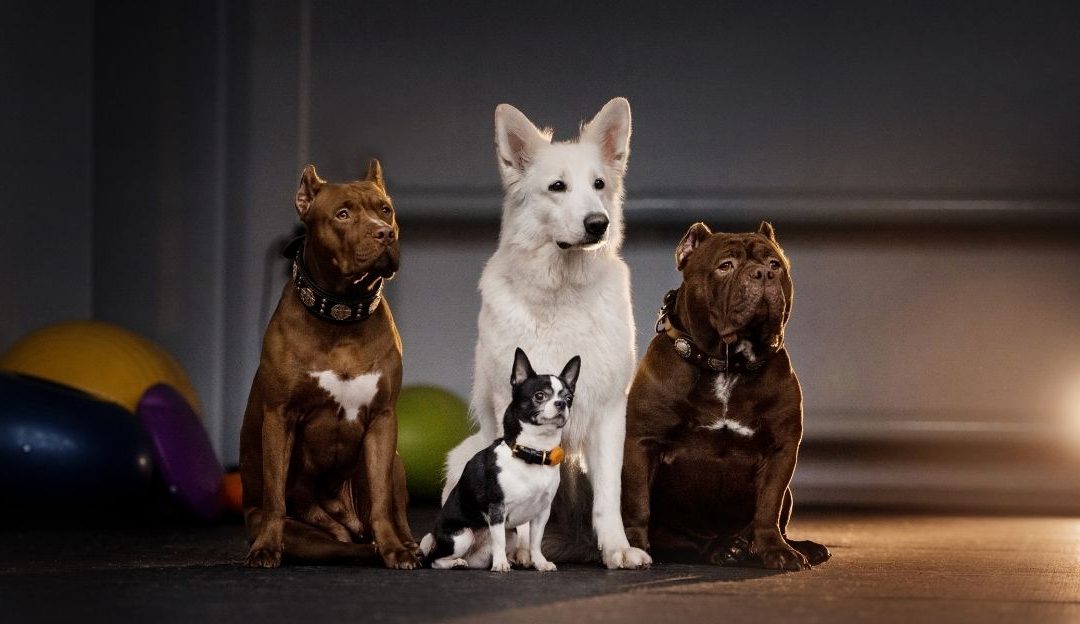
Selection turned the wolf into an animal that now has more than four hundred varieties, from the Chihuahua to the shepherd. Zoology cannot study dogs as one animal, because there is no single dog. There is a whole spectrum of shapes and behaviors created by human desires, needs, and aesthetics.
Many breeds have physical traits that would never be possible or sustainable in nature:
-
Dogs with short leg syndromes would struggle to survive even a few days in the wild.
-
Brachycephalic breeds have breathing difficulties that would be fatal in nature.
-
Extremely small dogs would become prey for the first larger predator.
-
Very large dogs require too much energy for an ecosystem without constant food availability.
All of this makes dogs and zoology an unnatural pairing for classical science. That is why they are more often studied through ethology, genetics, veterinary science, behavioral psychology, or anthropology.
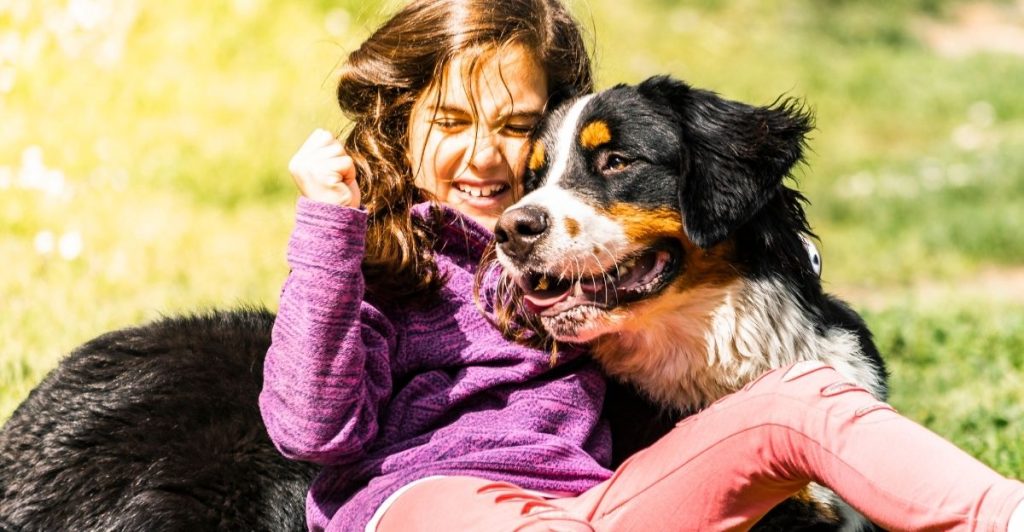
A dog is not a natural animal, but a being shaped alongside humans.
What This Means for Dog Owners
For owners this insight carries an important message. A dog does not function as a natural animal, but as a being that relies on humans for stability, structure, and guidance. Its physiology, development, and need for safety cannot be interpreted through the lens of wilderness.
A dog does not seek a natural environment but a stable human. It does not develop through packs but through affective bonding with its owner. It does not choose its path alone but learns it by watching our behavior.
Understanding that dogs are not a subject of zoology only confirms what every owner feels. A dog is a being that was not created in nature but in relationship with humans. And that is why its world is understood through humans, not through science alone.