

Why Does a Mother Dog Stop Hearing Her Puppies After 13 Days

Why Does a Mother Dog Stop Hearing Her Puppies After 13 Days

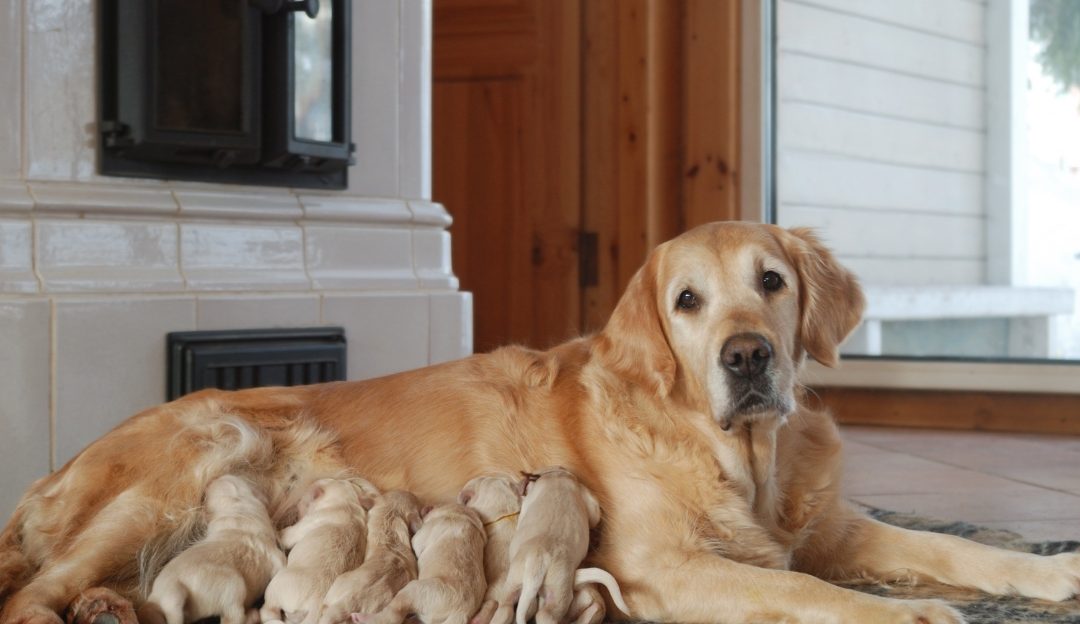
Nothing in nature happens by accident, including maternal instinct in dogs. A mother dog has a very specific and time-limited internal biological mechanism that allows her to hear the high-frequency cry of her puppies, but only during a precisely defined period. She cannot hear this sound before birth. Simultaneously, she cannot hear it after approximately thirteen days following birth. This is not an emotional decision — it is pure physiology.

A Special Frequency the Mother Can Hear Only Briefly

Immediately after giving birth, a specific auditory mechanism activates in the mother dog. It can be described as a biological filter that allows her to register only one very specific frequency: the distress call of her puppies.

This sound triggers an immediate response. It activates carrying, licking, warming, and protective behaviors to ensure the survival of the puppies. If a puppy falls out of the nest or moves away, the mother reacts exclusively to sound. If she sees the puppy but does not hear that specific cry, she is physiologically unable to respond. Breeders know this well. Consequently, this is not neglect, but a biological limitation. Therefore, understanding why does a mother dog stop hearing her puppies helps us grasp these natural boundaries.

Why Does This Ability Disappear After 13 Days?

Between approximately the tenth and thirteenth day of life, puppies begin to open their eyes, start to hear, and become more aware of their surroundings. At that point, their survival no longer depends solely on the mother’s immediate reaction to sound.

As a result, the following natural changes occur:

  • The specific frequency disappears.

  • The mother’s auditory filter shuts down.

  • Protective instinct transitions into other forms of behavior.

At this stage, the mother no longer perceives the puppies as helpless infants. A new phase of the relationship begins.

Why Dogs Should Not Eat at the Same Time Every Day and How to Change This Habit
Why Dogs Eat Grass and How to Help with Digestion

 

Group of growing mixed breed puppies exploring their environment after eyes open

AFTER 13 DAYS, PUPPIES BECOME MORE INDEPENDENT AND NO LONGER DEPEND SOLELY ON AUDITORY DISTRESS SIGNALS.

Nature Does Not Make Mistakes, It Changes Roles

From that moment onward, certain instincts fade while others awaken. The dynamic of the relationship shifts as puppies become more active, more independent, and more resilient.

The mother is no longer an extension of their nervous system. Instead, she becomes a guide who gradually prepares them for separation. Ultimately, this is not rejection, but precisely timed evolution.

Thank you for reading.


To discover more about how emotional alignment, balanced lifestyle, and authentic energy restore internal balance, read our canine communication & behavior guidelines.

See you next time.

At Sasha Riess, we look past commercial labels to honor the unique biological blueprint of your companion. True health requires addressing the subtle internal patterns that create lasting vitality and pureloveandharmony. Discover the customized path to your dog’s longevity: Linktree Sasha Riess
Comfort bundle prebiotics and probiotic supplement gut health aid your dog’s immune and digestive systems

Why Does the First Puppy Sometimes Die While the Mother Gives Birth to the Others? Natural Instincts and the Biology of Birth

Why Does the First Puppy Sometimes Die While the Mother Gives Birth to the Others? Natural Instincts and the Biology of Birth

In nature and among free-roaming dogs, a precise biological clock governs the process of giving birth. When a female begins giving birth outdoors, in an open space such as a field or meadow, a series of instinctive reactions triggers immediately. The female will often leave the first puppy where the birth began and then move to a secluded place or shelter to complete the delivery. Consequently, a tragic outcome often occurs for the first puppy, directly resulting from the mother’s specific biological mechanism.

The Cry of the Young and the Biological Block in the Mother

The fearful cry of a newborn represents a universal signal in the animal world. Sheep, cows, and dogs all share a specific sound through which a newborn calls its mother to find and protect it. However, under natural conditions, the mother does not possess the biological “tool” to hear that cry until she completes the entire birth process.

As long as she has not delivered the final pup, that sound receptor in her brain simply remains inactive. Because of this temporary block, the mother stays completely focused on the primary act of bringing new life into the world.

Activation of the Maternal Instinct Only After Birth

Only after she gives birth to the last puppy does this specific mechanism for recognizing sound activate in the mother. She then begins to clearly hear the cries of her young and starts gathering them together in one safe place.

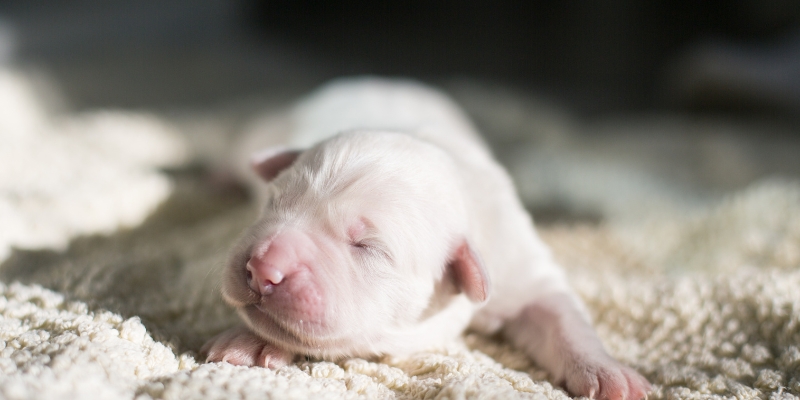
Unfortunately, if she left the first puppy in an open space, help often arrives too late. As considerable time passes after its birth, the first puppy usually succumbs to the cold, hypothermia, or external dangers before the mother returns. Newborn puppies remain extremely sensitive to low temperatures and require a rapid response during their very first minutes of life.

Why Is the Loss of a Dog So Painful?
Estrogen in Dogs: Does Hormone Deficiency Cause Incontinence?
Close-up of a vulnerable newborn white first puppy sleeping on a soft blanket

NEWBORN PUPPIES ARE EXTREMELY SENSITIVE TO COLD AND REQUIRE IMMEDIATE WARMTH AND ATTENTION.

Understanding Natural Processes and the Role of Humans

This harsh scenario shows us how the original laws of nature function when humans are not present to assist. Nature arranges for the mother to complete the labor process to preserve the entire litter.

Simultaneously, with domestic dogs, humans hold the responsibility to provide a safe environment and prevent such tragic losses. Therefore, when we understand these deep-seated instincts, we can respond in time and protect every first puppy while the mother safely brings the rest of the litter into the world.

Thank you for reading.

To discover more about how emotional alignment, balanced lifestyle, and authentic energy restore internal balance, read our canine communication & behavior guidelines.

See you next time.

At Sasha Riess, we look past commercial labels to honor the unique biological blueprint of your companion. True health requires addressing the subtle internal patterns that create lasting vitality and pureloveandharmony. Discover the customized path to your dog’s longevity:Linktree Sasha Riess

Sasha Riess for dog groomers ready to understand what others overlook beneath behavior, stress, and the canine coat

What If The Dog Was Never The Problem?

👉 Follow our Facebook page and never miss our latest articles, news, and updates.


View this post on Instagram


A post shared by Sasha Riess (@sashariess)