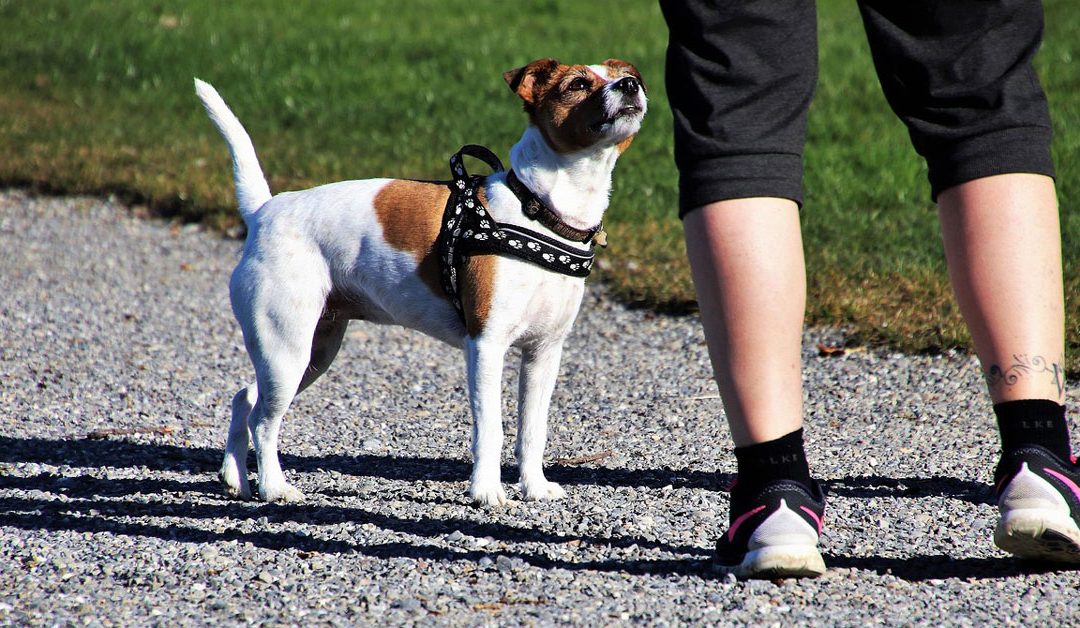
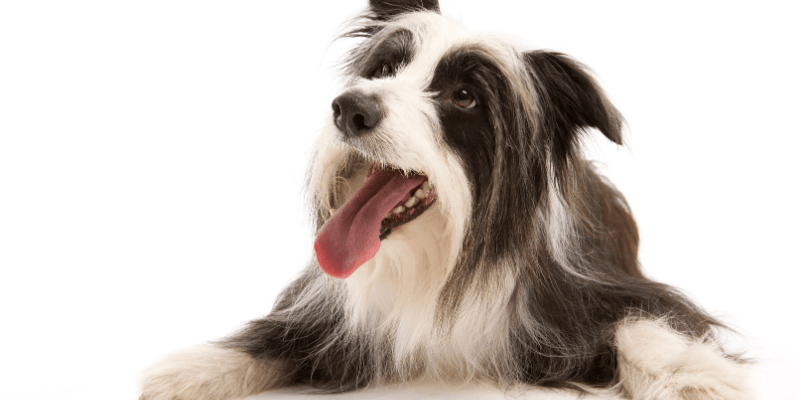
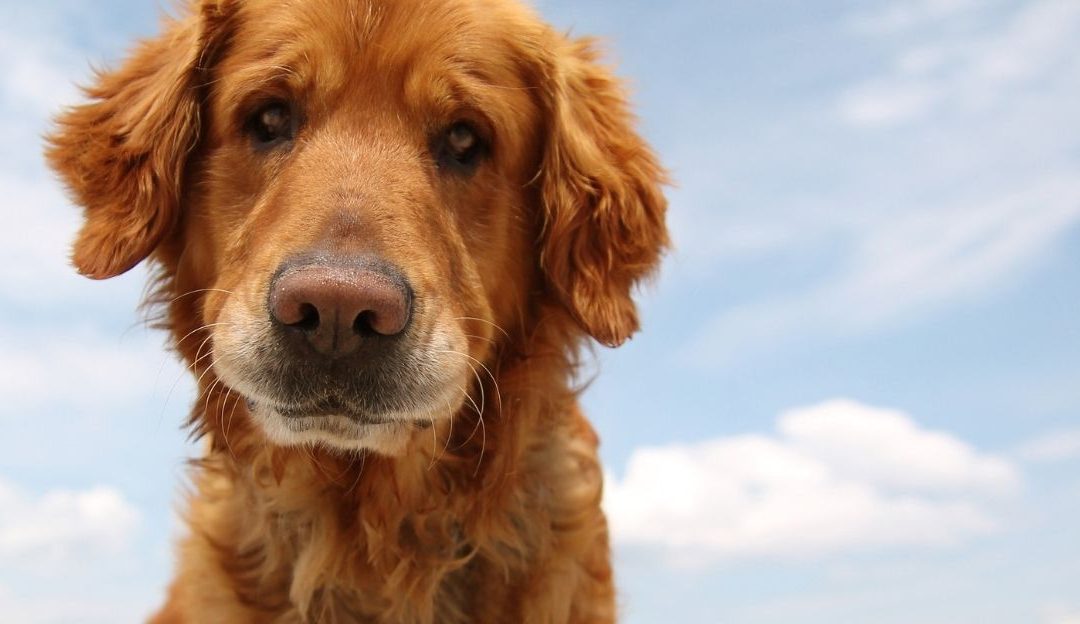
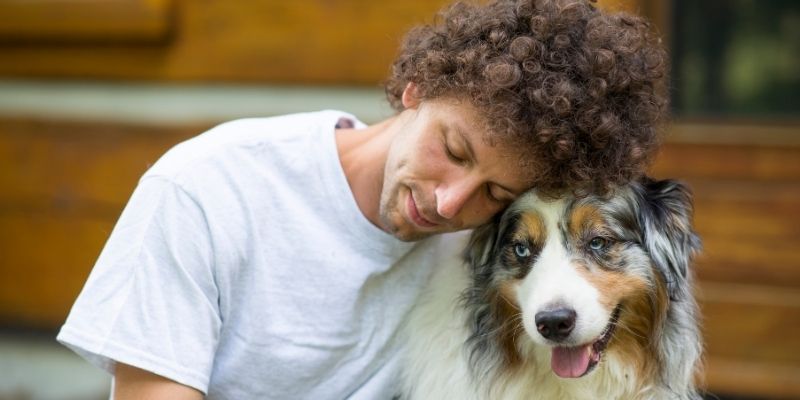
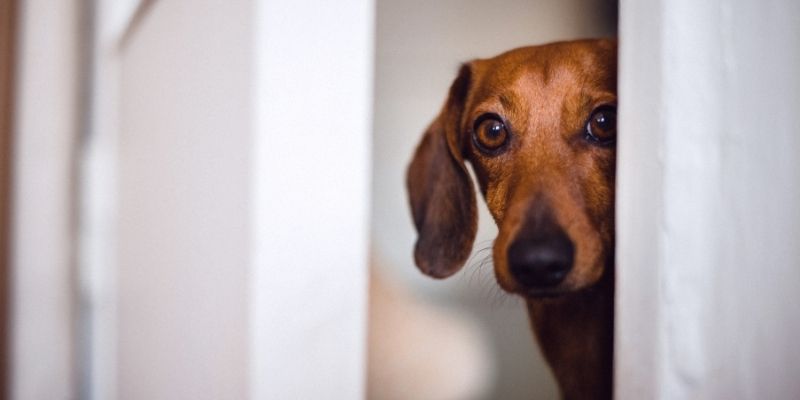
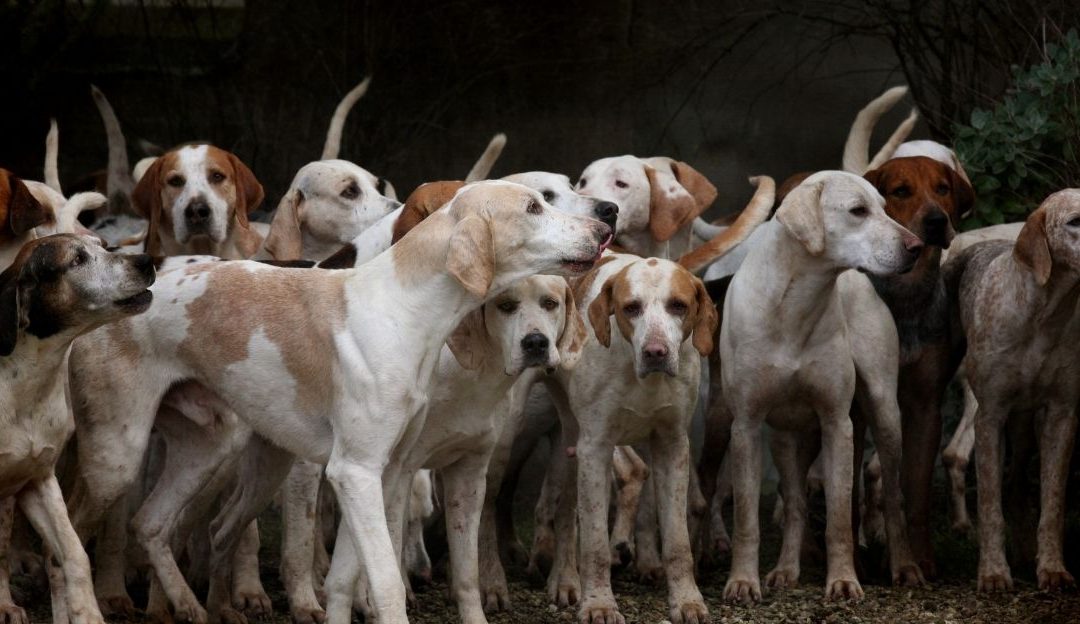
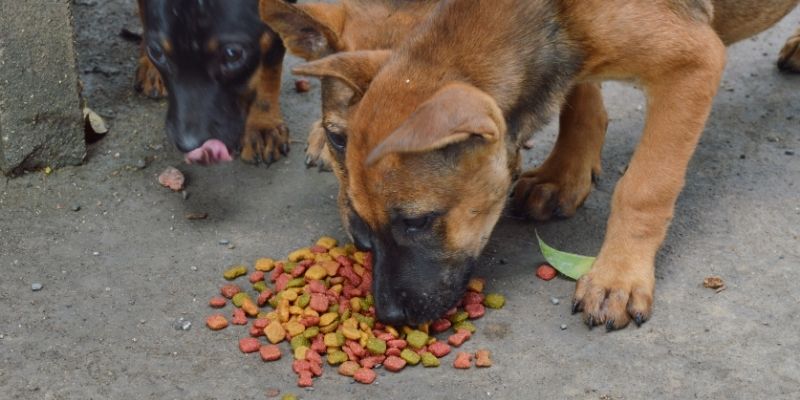
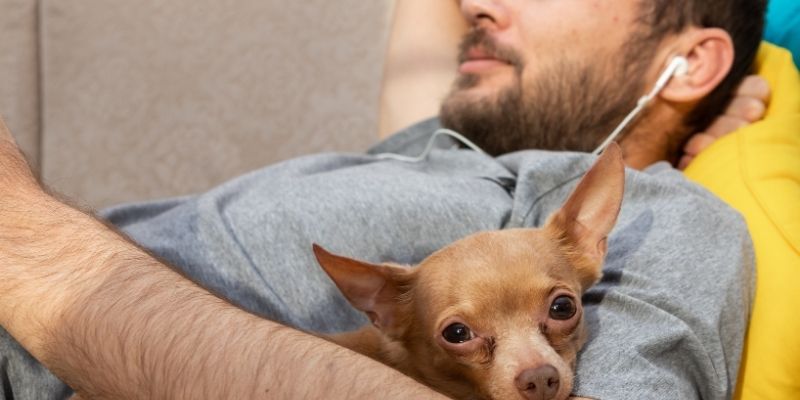
A dog and a human are neither a pack nor a family; they create a unique bond built on trust, love, and mutual growth.
The Dog and the Human Are Not a Pack
When we speak of a pack, we think of a family with clear biological connections: mother, father, offspring. In that sense, a dog and a human can never form a pack. What arises between them is something different, unique, and difficult to explain through natural laws.
A Bond That Transcends Hierarchy
What exists between a dog and a human goes beyond the rules of hierarchy and survival. It is not a relationship of dominance but a space where trust, love, and belonging create community. The dog sees safety and support in the human, while the human sees in the dog the reflection of his own soul.
A New Community: Beyond Boundaries
A dog and a human together do not form a pack. They create a new, unique community where boundaries disappear. It is a space in which both are shaped, grow, and learn through each other. Every interaction with a dog reminds us of the importance of honesty, patience, and love that has no form, no rules, and no end. This is the essence of the human dog relationship in its purest form.
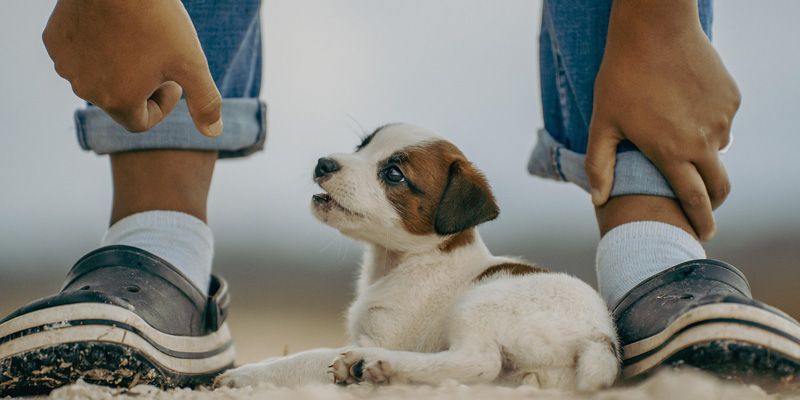
Trust is the foundation of the human dog relationship.
The Lesson a Dog Brings
This bond teaches us that love is not limited by natural laws. A dog and a human build a relationship that is unbreakable and unique. There is no hierarchy, no structure, only trust and shared growth. Through this connection, we learn that true love is free and infinite. This understanding is what defines pureloveandharmony.
At Integrative and Holistic Grooming Education, we believe that when we stop trying to „lead“ and start trying to „connect,“ we finally find the harmony we’ve been seeking. Discover the Third Wave: Linktree Sasha Riess
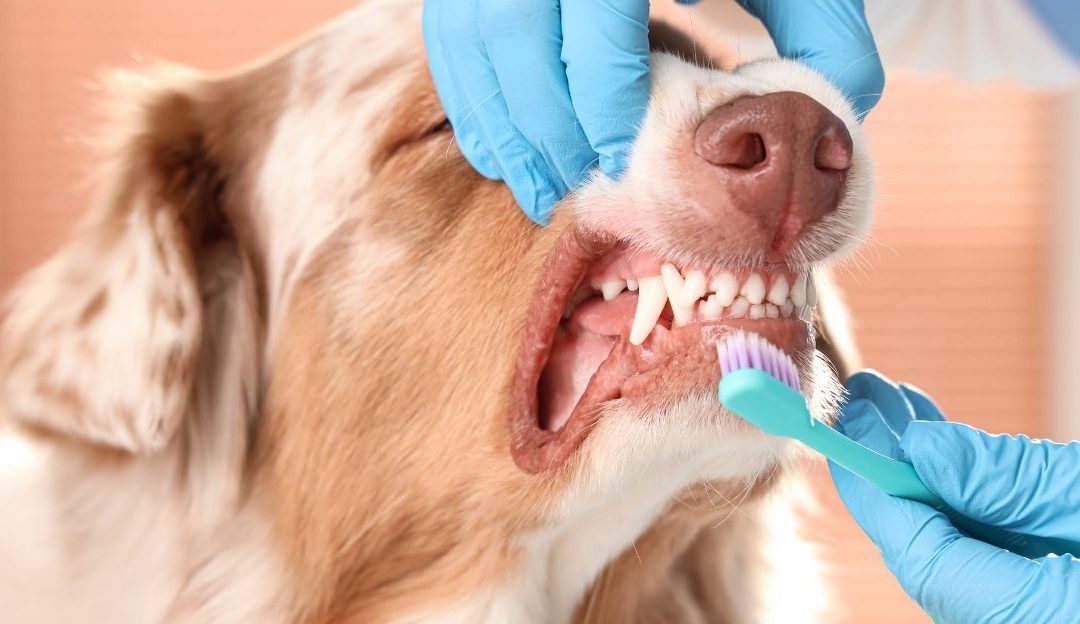
Teeth cleaning in dogs is a far more complex issue than it seems at first glance. Everything depends on why the dog has dental problems. In most cases, the issue is dental plaque, but it’s important to understand that bacteria in this process are a secondary occurrence.
Understanding the Cause, Not Just the Symptom
Dental plaque itself is a normal phenomenon. The problem begins when calcification and mineralization of the plaque occur, a process that would not happen if the thyroid gland were functioning properly.
When that function weakens, minerals begin to “wander” through the system, depositing themselves and creating the foundation for tartar buildup. That’s why teeth cleaning in dogs is often only a symptomatic solution. Ultrasound treatments and toothpastes can help temporarily, but the problem returns quickly because the underlying cause remains unresolved.
How Tartar Forms: The Mineral Process
The process begins with calcification and mineralization of plaque. The first colony of bacteria adheres to these minerals, followed by an entire microbiological community attaching itself to the surface. The result is:
Unpleasant odor
Tissue decay
Formation of a solid tartar layer
The only real solution is to prevent excess mineral accumulation, which depends on maintaining healthy thyroid function within the human dog relationship.
The Connection Between Stress and Tartar
The thyroid gland is directly connected to the adrenal glands and to the levels of adrenaline and cortisol in the blood. When a dog is anxious and lives under constant stress, adrenal activity increases while the thyroid weakens. This leads to an overall imbalance, including dental problems.
Peace and a stable relationship reduce the risk of dental problems
Chronic stress can even cause the formation of small nodules on the parathyroid glands. That’s why resolving teeth cleaning in dogs is directly related to communication and a sense of safety within the home.
The Real Solution: Peace and Balance
A dog that lives in peace, with a stable relationship and clear boundaries, has a much lower chance of developing chronic dental issues. The true answer doesn’t lie in ultrasonic cleaning but in understanding the cause—from hormones to the dog’s emotional state.
The teeth are a mirror of a dog’s inner balance, just as our smile reflects our own health and peace.
At Integrative and Holistic Grooming Education, we look beyond the surface. A healthy smile starts with a balanced soul and a stable thyroid. Explore our philosophy of harmony: Linktree Sasha Riess
Dogs teach us that pain is not the end but a doorway into a deeper relationship with ourselves, with others, and with life. They show us how suffering as a path and pain shape our lives and our bond with a dog. We try to escape suffering as if it were the enemy, but once we acknowledge it, it transforms into a path that leads us back to love.
Dogs know this better than we do. Their eyes hold no judgment, even when it hurts.
Pain and Suffering: How They Shape the Dog and Our Relationship
Today I want to explore a word that makes most people uncomfortable: suffering. We would prefer to avoid it, hide it, push it away somewhere we cannot see it, as if that would neutralize it. But the truth is different. Suffering finds us even when we do not look for it. It sits beside us, enters our relationships, our bodies, our breath. And the more we push it away, the more tightly it holds us.
Maybe it is time to turn our gaze around. Maybe suffering as a path is not the enemy, but a road we walk not because we want to, but because it is part of life.
How Suffering Shapes the Dog Within the Order of Harmony
In the Order of Harmony, suffering has its rightful place. It is not random, not a punishment, not an unfortunate accident that “just happened.” Suffering appears when life demands that something within us stops and looks. When we run from it, it becomes louder. When we agree to face it, it begins to change.
The Dog as a Mirror: How Suffering Shapes Both Dog and Human
A dog in the home is often the first to show that suffering has entered the space between people. He does not speak our language, but he reveals it through his body and behavior. The dog does not “invent” a problem. He announces the pain that already exists. Suffering then stops being individual. It becomes relational.
Acceptance as the Beginning of Change
We often believe that we can overcome suffering through strength of will. That we can push through, endure, hold ourselves together. But will alone does not bring peace. Will becomes tired, breaks, burns out. Suffering as a path does not melt through force, but through acceptance. Acceptance does not mean approval or passivity. It means saying: “Yes, you are here. I acknowledge you.”
Once we acknowledge suffering, it no longer hides, and therefore no longer controls us from the shadows.
A dog does not invent the problem—he announces it for all of us.
How Suffering Shapes the Dog Through Family Life
In the Pure Love and Harmony philosophy, suffering is not the end of the road but a doorway. A doorway we step through to reach the inner space where love is no longer tied to expectations, but to its true essence. Through pain, love often becomes pure. A dog, who walks alongside a human through suffering, demands no justification. He simply is. And in his simple presence lies the lesson: love does not end because pain exists. On the contrary, through pain love becomes true.
Suffering Shapes the Dog Long Before We Notice It
Many people ask: “Why do dogs suffer? They do not deserve pain.” The truth is that a dog is not just an individual. He is part of a relationship, part of a family. He carries what others cannot. His suffering often becomes a mirror of our own. He reveals what we hide. When we acknowledge our own pain and the dog’s pain, suffering as a path becomes a way of connection. Not something that separates us, but something that brings us closer.
Acceptance as the Beginning of Transformation
Suffering as a path is not easy. It teaches silence. It teaches us to go beneath words and explanations, to release the need to fix everything, and simply be present. Life is not only joy and ascents, but also falls, emptiness, and extremes. In that school, the dog is the teacher. His gaze contains no judgment. When he suffers, he does not ask “Why me?” He simply walks through it.
The Third Wave: Suffering Shapes the Dog and Cannot Be Overcome by Will
In the Order of Harmony, suffering has its place. No longer hidden, no longer exiled. When we say “yes” to suffering, we open the door to peace. Because beyond pain comes silence. And in that silence, we discover that we are not alone.
This is where the Third Wave of Dog Evolution gains its full meaning. In the first wave, we viewed dogs as heroes who protect us. In the second wave, we turned them into images of our desires. In the third wave, they become our companions in harmony, in joy and in suffering. They teach us that love is not always easy, but through pain it can become authentic.
In silence, a dog reveals what we often cannot admit to ourselves.
Suffering as a Path to Harmony in Life
Suffering is not the end, but a path. A path that leads us through darkness so we can find the light. A path that teaches us that love and pain are not opposites, but two sides of the same life. Suffering can make us bitter, but once we accept it, it can make us gentle. And gentleness, in a world that constantly demands strength, may be the greatest courage of all.
By acknowledging everything that exists, both joy and pain, we create space for true harmony. And then the dog is no longer just a dog. He becomes a guide, a reminder that we are already on our path, and that only one thing remains: to say “yes to life.”
At Integrative and Holistic Grooming Education, we believe that accepting every part of the journey is the only way to reach true balance. When we acknowledge the pain, we find the harmony. Explore our philosophy: Linktree Sasha Riess
I once believed that rescuing dogs was the purest act of love. I watched people who fed dozens of dogs, slept among them, gave up everything for them — and I thought: this is devotion, this is goodness. But over time, after observing, listening, and questioning myself, I began to wonder: Who is really saving whom? Within the human dog relationship, is taking in one more dog into an overcrowded yard truly love — or is it my own cry for something I never received? Is it an attempt to prove my worth in a world that often failed to see me?
The Order of Love and Harmony in Rescue
I came to understand that love isn’t just emotion or impulse — it has order. Among humans it’s called The Order of Love. With dogs, it becomes The Order of Harmony. These cosmic laws never punish — they simply restore balance. Every time we cross a boundary, something is taken in return. When love exceeds its natural limits, it becomes obsession, control, compensation — disease. And I too was part of that system, believing I was doing good, unaware that every excess in rescuing dogs can consume both the rescuer and the rescued.
The Trap of the Donation System
Like many involved in rescue, I’ve seen how survival often depends on donations — heartbreaking photos, videos of wounded dogs, public calls for help. It becomes a kind of currency — the currency of survival. But this system quickly turns into a vicious circle. There’s never enough — not for the dogs already there, nor for the new mouths arriving each day. Food becomes the cheapest kibble, often expired, or cans made from scraps — what couldn’t be sold becomes “charity.” Dogs in such systems don’t live — they merely survive, stripped of dignity.
Behind every rescue post lies a daily struggle for food, health, and the survival of the dogs.
What a Dog Really Needs to Be Happy
A dog needs more than food and water. His well-being depends on safety, structure, social interaction, and love — not sentimental love, but practical, daily presence. But how can one person provide that for thirty, forty, or fifty dogs? In such conditions, a dog stops being a being. He becomes a number, a function, a projection. Unconsciously, he turns into a symbol of what we lack. When the number of dogs surpasses the depth of connection, love disappears — chaos remains.
The Message Behind Every Dog
Still, I believe each dog arrives for a reason. Even in the midst of chaos, each one carries a message — a fragment of the caretaker’s unspoken story. Over the years, I’ve met people rescuing dogs with genuine hearts and noble intentions. I once shared that belief completely. But now I see that behind every “one more dog” there is often something deeper — something not about the dogs, but about us.
The Glorification of Rescue and Its Burden
What struck me most is how society glorifies this kind of sacrifice. On social media, rescuing dogs earns applause, likes, and admiration. Young people, inspired by the idea of selfless devotion, enter this world without the tools to withstand it. I’ve watched them lose their health, their identity — sometimes even their lives. At first glance, they are heroes — people who give up peace, money, and relationships for dogs. And I wanted to be one of them. But through the Order of Harmony, I’ve learned that behind every excess lies a deficit. Behind every dog, there is often a person who has lost a piece of themselves.
The Dog as a Reflection of Our Emptiness
The principle of respect teaches us that every being has its own purpose and essence. A dog is a creature with dignity — needing space, rhythm, and clarity. When I unconsciously turn him into a symbol of my emptiness, I stop seeing him as a dog. He becomes a mirror of my need. And the dog, in his unconditional love, often accepts that role — even to his own detriment. I’ve seen people surrounded by dogs while their bodies collapse, their relationships fade, their lives revolve only around rescue. I’ve been close to that edge myself, until I stopped and asked: What am I really doing?
A dog often becomes a mirror of our internal wounds and the silences we carry within ourselves.
Who Are We Really Saving — Them or Ourselves?
Through conversations, silence, and self-reflection, I began to see: Dogs often become substitutes for something else — for love I never received, for grief I never mourned, for a part of myself I never accepted. Each dog can unconsciously become a symbol of something lost that I’m trying to reclaim. But the system always seeks balance — not as punishment, but as consequence. So I started asking myself: Whom am I really saving? What am I trying to find through one more rescue?
The Dog as a Call — Not an Answer
I realized that a dog is not the answer. A dog is a call — a call to return to order, to be present, clear, and consistent. A call to recognize the line between genuine love and the unconscious need to patch my own unrest. Only when I see the dog as a dog — not as a projection of my wounds — can I truly love him. Only then can I honor his dignity, his needs, his life.
Stopping Out of Respect
Before taking in another dog, I now pause — not out of fear, but out of respect. Maybe that dog didn’t come to stay. Maybe he came to show me what in me still needs to be seen. And perhaps, when I learn to say “enough,” I’ll finally find what I was searching for all along — peace with myself, my own wholeness. So before I rescue another dog, I ask: Am I ready to rescue myself first?
At Integrative and Holistic Grooming Education, we believe that precision in our actions is a reflection of our internal balance. When we lead with harmony, we heal the soul. Explore our philosophy: Linktree Sasha Riess