by Sasha Riess | 03.04.26. | Emotions
Dogs teach us that pain is not the end but a doorway into a deeper relationship with ourselves, with others, and with life. They show us how suffering as a path and pain shape our lives and our bond with a dog. We try to escape suffering as if it were the enemy, but once we acknowledge it, it transforms into a path that leads us back to love.
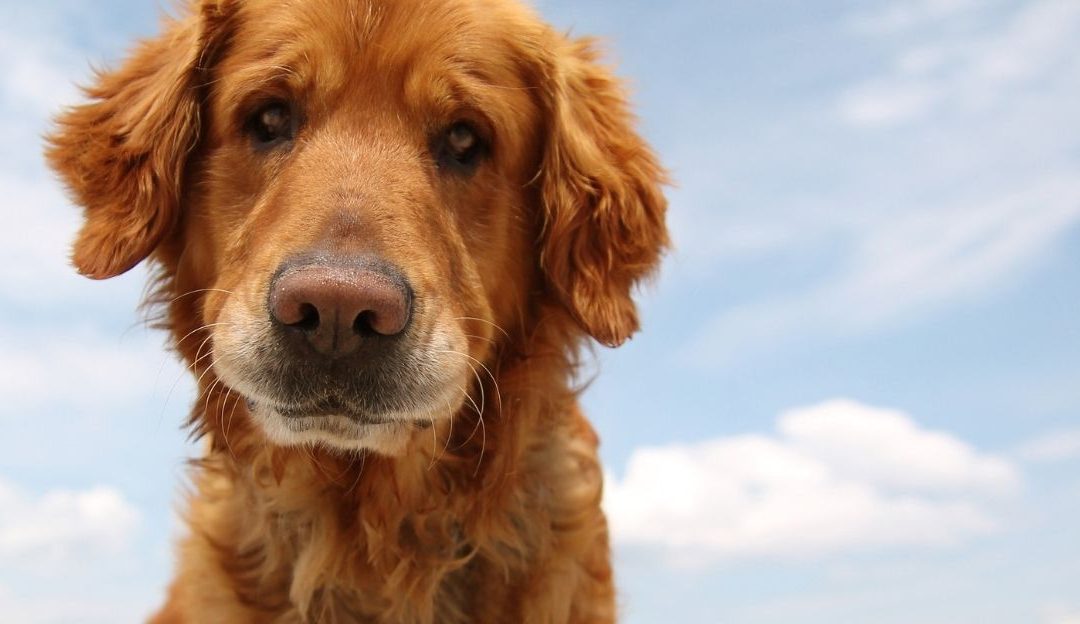
Dogs know this better than we do. Their eyes hold no judgment, even when it hurts.
Pain and Suffering: How They Shape the Dog and Our Relationship
Today I want to explore a word that makes most people uncomfortable: suffering. We would prefer to avoid it, hide it, push it away somewhere we cannot see it, as if that would neutralize it. But the truth is different. Suffering finds us even when we do not look for it. It sits beside us, enters our relationships, our bodies, our breath. And the more we push it away, the more tightly it holds us.
Maybe it is time to turn our gaze around. Maybe suffering as a path is not the enemy, but a road we walk not because we want to, but because it is part of life.
How Suffering Shapes the Dog Within the Order of Harmony
In the Order of Harmony, suffering has its rightful place. It is not random, not a punishment, not an unfortunate accident that “just happened.” Suffering appears when life demands that something within us stops and looks. When we run from it, it becomes louder. When we agree to face it, it begins to change.
The Dog as a Mirror: How Suffering Shapes Both Dog and Human
A dog in the home is often the first to show that suffering has entered the space between people. He does not speak our language, but he reveals it through his body and behavior. The dog does not “invent” a problem. He announces the pain that already exists. Suffering then stops being individual. It becomes relational.
Acceptance as the Beginning of Change
We often believe that we can overcome suffering through strength of will. That we can push through, endure, hold ourselves together. But will alone does not bring peace. Will becomes tired, breaks, burns out. Suffering as a path does not melt through force, but through acceptance. Acceptance does not mean approval or passivity. It means saying: “Yes, you are here. I acknowledge you.”
Once we acknowledge suffering, it no longer hides, and therefore no longer controls us from the shadows.
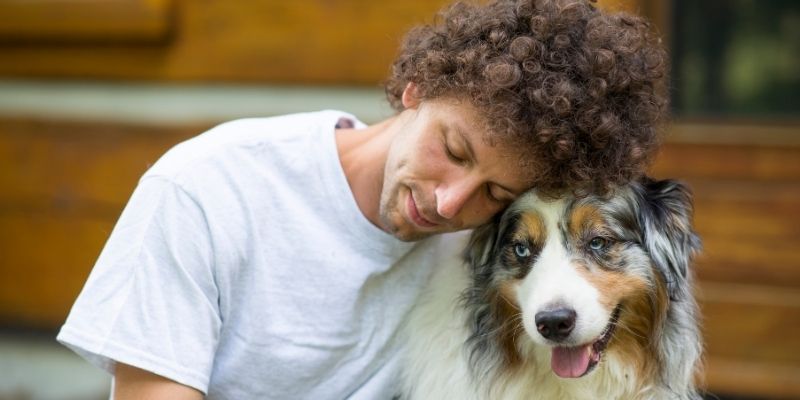
A dog does not invent the problem—he announces it for all of us.
How Suffering Shapes the Dog Through Family Life
In the Pure Love and Harmony philosophy, suffering is not the end of the road but a doorway. A doorway we step through to reach the inner space where love is no longer tied to expectations, but to its true essence. Through pain, love often becomes pure. A dog, who walks alongside a human through suffering, demands no justification. He simply is. And in his simple presence lies the lesson: love does not end because pain exists. On the contrary, through pain love becomes true.
Suffering Shapes the Dog Long Before We Notice It
Many people ask: “Why do dogs suffer? They do not deserve pain.” The truth is that a dog is not just an individual. He is part of a relationship, part of a family. He carries what others cannot. His suffering often becomes a mirror of our own. He reveals what we hide. When we acknowledge our own pain and the dog’s pain, suffering as a path becomes a way of connection. Not something that separates us, but something that brings us closer.
Acceptance as the Beginning of Transformation
Suffering as a path is not easy. It teaches silence. It teaches us to go beneath words and explanations, to release the need to fix everything, and simply be present. Life is not only joy and ascents, but also falls, emptiness, and extremes. In that school, the dog is the teacher. His gaze contains no judgment. When he suffers, he does not ask “Why me?” He simply walks through it.
The Third Wave: Suffering Shapes the Dog and Cannot Be Overcome by Will
In the Order of Harmony, suffering has its place. No longer hidden, no longer exiled. When we say “yes” to suffering, we open the door to peace. Because beyond pain comes silence. And in that silence, we discover that we are not alone.
This is where the Third Wave of Dog Evolution gains its full meaning. In the first wave, we viewed dogs as heroes who protect us. In the second wave, we turned them into images of our desires. In the third wave, they become our companions in harmony, in joy and in suffering. They teach us that love is not always easy, but through pain it can become authentic.
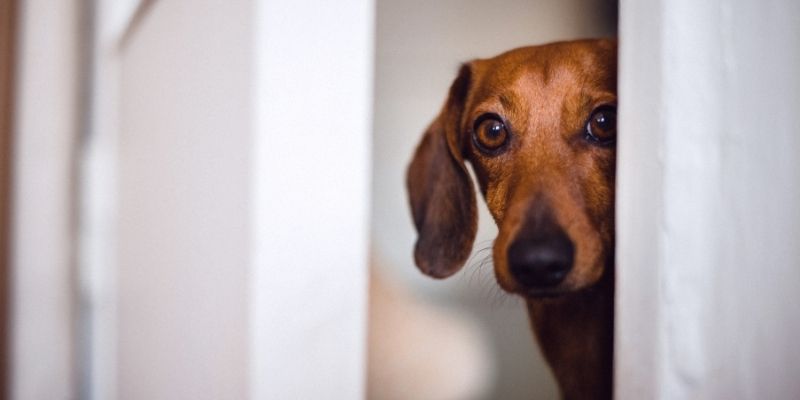
In silence, a dog reveals what we often cannot admit to ourselves.
Suffering as a Path to Harmony in Life
Suffering is not the end, but a path. A path that leads us through darkness so we can find the light. A path that teaches us that love and pain are not opposites, but two sides of the same life. Suffering can make us bitter, but once we accept it, it can make us gentle. And gentleness, in a world that constantly demands strength, may be the greatest courage of all.
By acknowledging everything that exists, both joy and pain, we create space for true harmony. And then the dog is no longer just a dog. He becomes a guide, a reminder that we are already on our path, and that only one thing remains: to say “yes to life.”
At Integrative and Holistic Grooming Education, we believe that accepting every part of the journey is the only way to reach true balance. When we acknowledge the pain, we find the harmony. Explore our philosophy: Linktree Sasha Riess
by Sasha Riess | 17.03.26. | Emotions
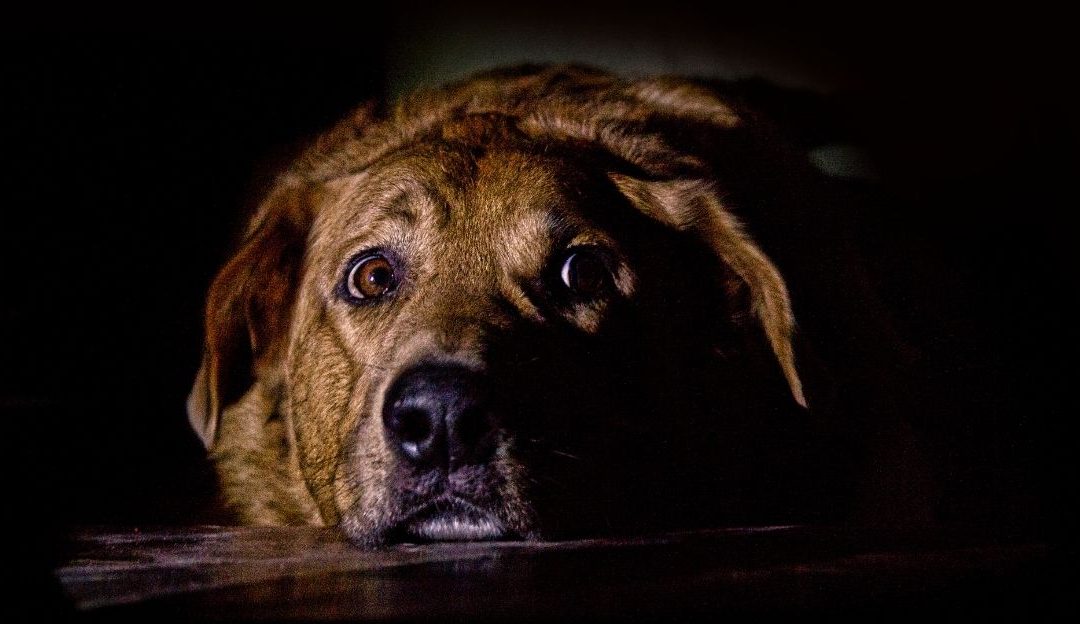
How fear and punishment shape a dog, what we can change, and what the real cost of our choices is. In the space of relationship that we build with dogs, punishment often appears as a simple tool, direct, fast, and visible. But beneath that surface, deep within the delicate layers of a dog’s body and soul, something far more profound is happening.
A change that begins as stress ends as cellular silence. The question is not only whether punishment “works”, but how it continues to live inside the dog, in his neurons, hormones, and emotional architecture. Through this story, I invite you to reflect with me, not as owners or trainers, but as human beings. Not about behavior as a problem, but behavior as a message. Because perhaps the dog is not the one who needs to be “fixed”, but the perspective through which we look at him.
How fear and punishment shape a dog: from momentary stress to cellular silence
Punishment, regardless of its form, whether a raised voice or a physical correction, activates an immediate stress response in the dog’s body. Cortisol rises, the heart speeds up, muscles tighten. On the surface, behavior may appear corrected. The dog stops. Looks. Becomes silent.
But what is actually happening then? Epigenetics teaches us that stress is not just a temporary shadow, but a trace that remains, written into the way genes express themselves. Dogs exposed to frequent punishment show cellular changes that shape their resilience, emotional balance, and even their immune system. This is no longer a matter of training. This is a matter of existence.
How fear and punishment shape a dog and what we can change in our approach
Every dog carries his own inner world, a world of past experiences, inherited predispositions, and internal imbalances. When a dog reacts to punishment, he does not react from an empty space, but from a system that already exists. The behavior we see may be a reaction to the punishment, but also a reflection of what is already happening deep inside.
A dog that is often punished can develop chronic anxiety. His brain changes. Neurons in the amygdala begin to recognize threat where it may not even exist. And then come the reactions: withdrawal, “perfect obedience” that does not come from trust but from inner freezing. This leads us to the essential question: Where does behavior begin? In the reaction, or in the cell? Or perhaps in our gaze directed at the dog?
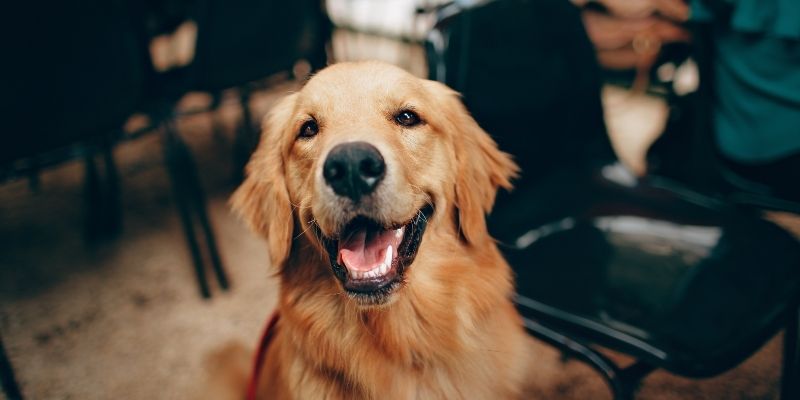
What can we change in our approach to avoid fear and punishment?
The real cost of our choices
A dog’s behavior is not just what he does. It is what his body is saying. When a dog barks, runs away, licks his paw, or drops his tail, he expresses an inner state, his own microcosm. Every cell in his body communicates in that moment through hormones and impulses. This reactivity is not “bad”. It is sacred. It is the body’s language saying, “I cannot integrate this.”
If a dog stops barking after punishment, we have not solved the problem. We have only switched off the signal. But the inner unrest remains. Cells remember. Does the external influence change the dog, or does his reaction shape his world?
In traditional teachings, an external stimulus creates a reaction. But in a dog’s life, the connection is more complex. Two dogs can experience the same punishment but react differently. One may freeze. Another may try to escape. A third may become aggressive. All of these reactions depend not only on the punishment, but on what already exists inside.
In the Pure Love and Harmony approach, we do not focus solely on what happened, but how it was experienced. Because influence does not exist without response. And every dog’s response is correct for him. Our task is not to shape him to fit us, but to understand the message revealed through him.
Fear as a frozen movement: the example of Little Albert
The famous Little Albert experiment from 1920 shows the power of fear. One loud noise paired with a white mouse changed the boy’s experience of the world. All white, soft objects became a threat. The same dynamic happens with dogs. Punishment does not remain confined to the moment. It expands. A dog does not learn what not to do. He begins to believe the entire world is dangerous. He is not becoming calm. He is shutting down.
What owners often perceive as “calm behavior” is actually a signal of cellular freezing. The dog is quiet, but not present. Obedient, but not free.
Behavior changed by fear: a price not seen right away
Punishment may bring short-term results, but long-term it creates internal fracture. Chronic stress affects the prefrontal cortex, the area responsible for learning, focus, and decision-making. The dog becomes insecure, withdrawn, and stops trusting. This behavior is not the problem. It is the message.
When the dog loses trust, we lose the relationship. And when the relationship is lost, we no longer speak the same language.
Chronic Stress in Dogs: Confusion, Illness, and Silent Signals
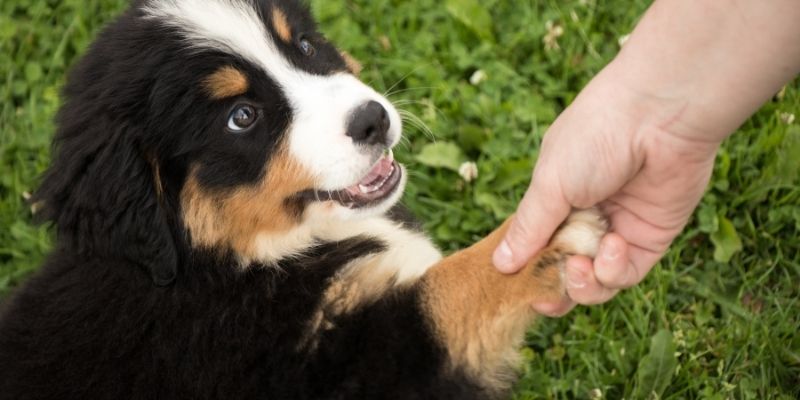
What is the real cost of our choices in the relationship with a dog?
How fear and punishment shape a dog and offer an opportunity for understanding
In every dog’s behavior there is an opportunity to learn something about him, but also about ourselves. His reactivity is a reflection of the relationship we build together. His silence may be our unconscious sharpness. His aggression may be our impatience. And this is not blame. It is an invitation.
If we view the dog as a system rather than an individual who must “behave”, we will see something new. We will see how the external world enters through his senses and shapes an inner landscape. That landscape shapes behavior. And our presence can be either light in that landscape or shadow.
There is another path
Instead of correcting behavior through punishment, we can support it through understanding. Through such an approach, the dog learns through safety. His body releases dopamine and serotonin, hormones of presence and joy. Cells begin to repair. Reactions calm down. Behavior changes naturally, not because it must, but because it finally can.
How fear and punishment shape a dog: a message for us and a lesson in togetherness
Dogs do not teach us through perfection. They teach us through authenticity. Their behavior is a mirror that does not lie. When we choose punishment, we choose control. When we choose understanding, we choose connection.
Let this text not be criticism, but invitation. To look again. To ask a different question. Not “How do I punish him so he listens?”, but “How do I understand him so he trusts me?” Within that question lies the entire transformation. Not only in the dog’s behavior, but in our own ability to be human, present, aware, and in service of life.
At Integrative and Holistic Grooming Education, we believe that silence is not always peace. We teach you to listen to what the dog’s body is saying when the voice is quiet. Explore our philosophy: Linktree Sasha Riess
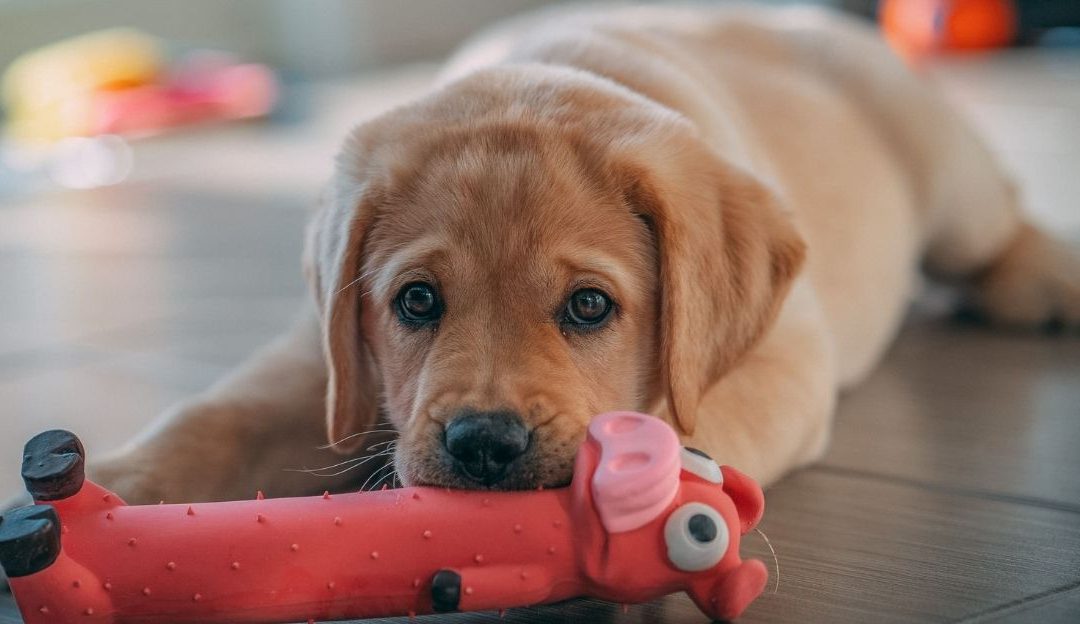
by Sasha Riess | 08.03.26. | Emotions
Dogs don’t suffer because something is missing — they suffer because they’ve lost their essential connection with humans. In a world where we have everything, the dog is left without the one thing it truly needs — a stable, present, calm human.
I don’t mean physical presence, but energetic and emotional presence. Everything else — food, accessories, cosmetics — becomes meaningless when connection is gone.
How Caring for Dogs Became a Consumer Identity
The modern dog owner lives under the pressure of an industry that convinces us we can’t be responsible owners unless we constantly buy things. Dogs and consumerism have become so intertwined that caring for a dog has turned into a matter of image, not relationship. Shopping is no longer functional — it’s become a moral duty. We feel inadequate if we don’t buy regularly, and when we can’t afford it anymore, we start believing we no longer deserve our dog.
When Money Disappears — the Illusion of Love Crumbles
When the illusion of consumption collapses due to job loss or personal crisis, people often decide to give their dog away. They think they can no longer care for it, not because they can’t feed it, but because they can’t participate in the expensive „system of care.“ This is the result of a distorted message: that love for a dog depends on money.
What a Dog Truly Needs — Simplicity and Presence
A dog doesn’t need a lavender pillow or a spirulina supplement. It needs stability, clarity, and contact. It needs to know who leads and who stays, even when everything changes. No purchase can replace that.
A Personal Story — Betti and the Illusion of Perfection
I was once part of that system. Betti was a Bichon whose owners followed every „professional standard“—weekly grooming, perfect white coat, show results. But they eventually gave her away, believing they weren’t „good enough“ for her anymore.
Betti ended up with their cook—a woman with no money but a priceless advantage: she had no need to prove anything. She trimmed Betti’s hair with kitchen scissors and never tried to turn her into a trophy. For the first time, Betti could simply be a dog.
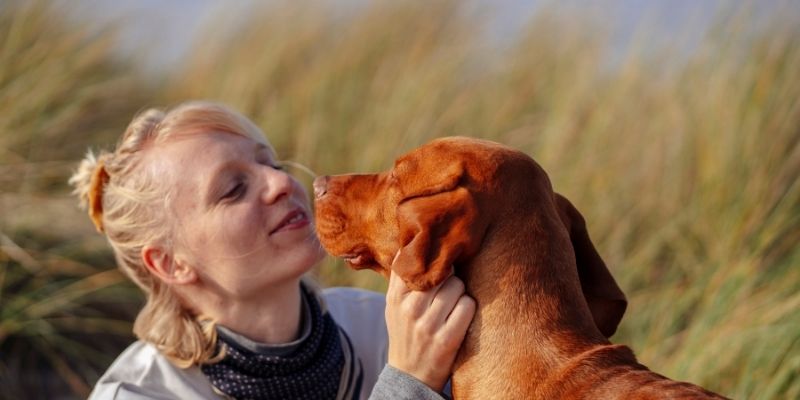
A dog doesn’t ask for luxury; it asks for the presence of a human who understands.
The Responsibility of Professionals
Experts, trainers, and groomers shape the idea of a “good owner.” When we raise that bar so high that it depends on money and perfection, we share responsibility for every abandonment caused by guilt.
Returning to Simplicity — Returning to True Love
If we pause, we’ll see how simple it is to give a dog what it truly needs: a human who understands it. Someone who knows that silence sometimes matters more than another toy.
The Pure Love and Harmony approach teaches that a relationship with a dog isn’t a luxury. You don’t need special equipment or a perfect home. You just need yourself—not as a buyer, but as a human who stays when everything else fades.
At Integrative and Holistic Grooming Education, we prioritize the bond over the brush. True care is about being present, not just providing products. Explore our philosophy: Linktree Sasha Riess