by Sasha Riess | 24.05.26. | Behaviour
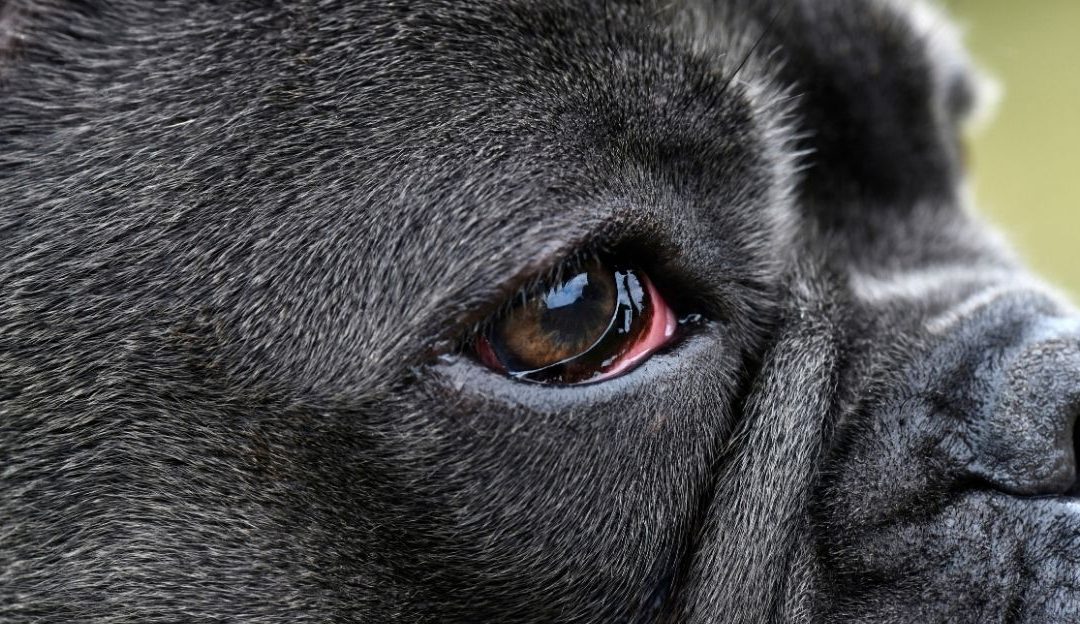
Watery eyes in dogs are often interpreted as an aesthetic issue or a local eye problem. However, in many cases, tearing has little to do with the eyes and far more to do with the environment in which the dog lives and the level of stress it experiences.
Why Dogs “Cry” in Stressful Environments
A dog that lives in constant tension does not breathe properly, cannot relax, and cannot release excess strain from the body. In such cases, watery eyes in dogs become a release valve. This is not emotional crying, but a physical response to prolonged stress.
The Biological Side of Watery Eyes
Of course, biological factors exist, such as red blood cell metabolism, liver function, and porphyrins—pigments that leave tear stains. But the question often overlooked is simple: Why did the organism reach a state of overload in the first place?
The Liver and Detoxification
In dogs with chronic tearing, the liver often functions under strain, and detoxification is incomplete. The body searches for an alternative outlet. Here, watery eyes in dogs are not the cause; they are the consequence of an internal system struggling to maintain balance.
Immunity as a Two-Sided System
Immunity never works in isolation. It has an internal side (nutrition, liver function) and an external side (stress, environment). If we focus only on teas or supplements without changing a stressful environment, the problem will inevitably return.

Guidance, structure, and a calm human are often the best remedies for tension.
Stress: A Factor Within Our Influence
A dog does not respond to our explanations or intentions; it responds to our tone, tension, and the stability we provide. When a dog’s eyes water, the message is often: „It is too much for me“ or „I have nowhere to release what I carry.“
Conclusion: Tears as a Signal
Watery eyes in dogs are not a defect that needs to be quickly removed. They are a signal from a system asking for relief. Before searching for a miracle solution, ask yourself: What kind of world does this dog live in every single day?
At Sasha Riess, we understand that true healing comes from harmony. Addressing watery eyes in dogs requires looking beyond the symptom to the environment, leading your pet back to pureloveandharmony. Find the path to a calmer home: Linktree Sasha Riess
The Dog Groomer’s Letter of the Month Club with Sasha Riess
by Sasha Riess | 24.05.26. | Wellbeing
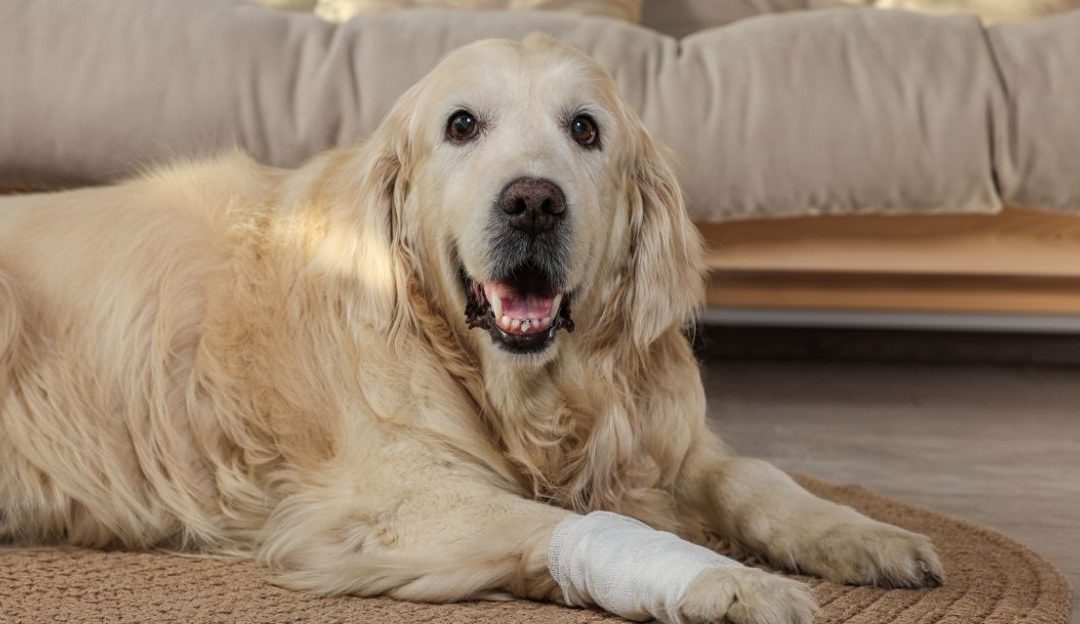
Homeopathy for bone and collagen problems in dogs is increasingly used as complementary support for joint pain, weak bones, injuries, and degenerative conditions. Properly selected homeopathic remedies can help cartilage regeneration, reduce inflammation, and improve collagen absorption, without the side effects often seen in long-term conventional therapies.
In dogs with osteoarthritis, hip dysplasia, slow bone healing, or reduced mobility, homeopathy is applied individually according to symptoms, age, and general condition of the body.
How Homeopathy Affects Bones, Joints, and Collagen
Homeopathic remedies do not act symptomatically in the classical sense. Instead, they stimulate the natural recovery processes of the body. The goal is:
-
Support of cartilage regeneration.
-
Reduction of inflammation and pain.
-
Strengthening of ligaments, tendons, and bones.
-
Slowing of degenerative processes.
Main Homeopathic Remedies for Bones and Collagen
Symphytum Officinale (30C or 200C)
Known as the „king of bone remedies,“ it supports fracture healing and cartilage regeneration. It is essential for osteoarthritis and hip dysplasia.
Calcarea Phosphorica (6X or 12X)
Supports growth and strengthening of the skeletal system. Suitable for young dogs with slow development or older dogs with bone degeneration.
Silicea (6X or 12X)
Strengthens connective tissue and supports slow recovery of ligaments, tendons, and bones.
Ruta Graveolens (30C or 200C)
Specifically for tendons, ligaments, and joints. Effective for sprains, stiffness, and strain.
Arnica Montana (30C or 200C)
First aid for pain and inflammation. Reduces swelling after injuries or surgery.
Remedies for Degenerative Conditions
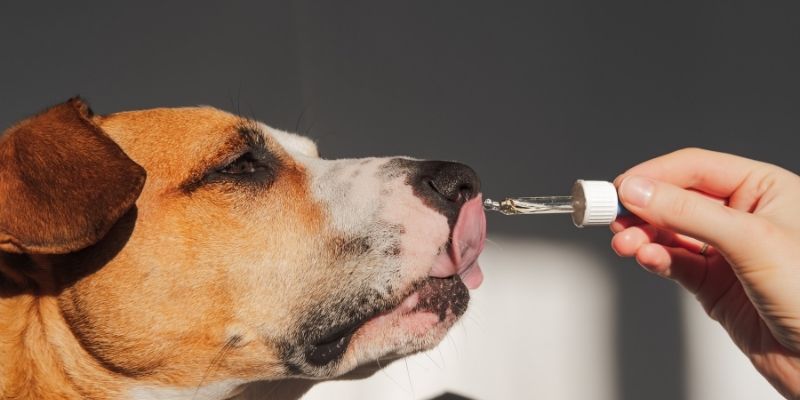
Dog bone health and mobility with natural support.
Remedy Selection According to Symptoms
| Symptom/Condition |
Recommended Remedy |
| Fractures & Osteoarthritis |
Symphytum Officinale |
| Weak or Brittle Bones |
Calcarea Phosphorica |
| Tendon & Ligament Inflammation |
Ruta Graveolens |
| Chronic Pain & Stiffness |
Arnica Montana |
| Bone Growths (Spurs) |
Hekla Lava |
| Weak Connective Tissue |
Silicea |
Method of Application and Important Rules
-
Do not touch globules with hands (use the cap or a plastic spoon).
-
Give directly into the mouth or dissolved in water.
-
Timing: 30 minutes before or after food.
-
Start with one remedy and observe the reaction for 7–14 days.
At Sasha Riess, we recognize that nature holds the keys to profound healing. Integrating homeopathy for bone and collagen problems in dogs into your routine is a step toward true pureloveandharmony. Restore your dog’s strength naturally: Linktree Sasha Riess
by Sasha Riess | 22.05.26. | Behaviour
Harmony between human and dog does not happen by chance. It is built every day through the way we communicate, how we feed them, and the boundaries we set. A dog does not live in the past and does not plan the future; it lives only in the present moment.
Building a Balanced Relationship
A home where harmony between human and dog exists is recognized by balance. It is not a space filled with discomfort, odor, or tension, but a place where order and calmness are felt.
A dog does not destroy the dignity of a home. A human does that through an incorrect relationship. When a dog has no clear structure or is emotionally overloaded, problems appear that are wrongly attributed to the animal.
Living in the Present Moment with Your Pet
For a dog, the present moment is everything. When communication is clear and care is consistent, the dog naturally takes its place in the system. This means:
-
The dog knows where it belongs.
-
The dog does not get lost in roles it cannot understand.
-
The dog does not carry the emotional burdens of the human.
Harmony between human and dog arises when the human joins the dog in the present moment.
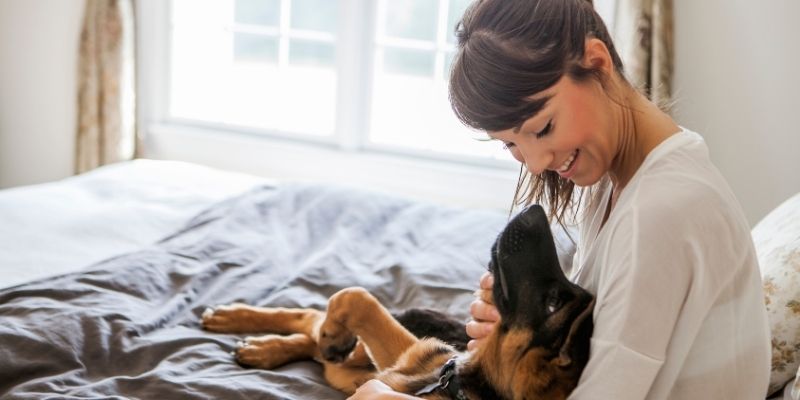
A dog lives in the present moment – harmony arises when the human joins them there.
Responsibility as the Key to Lasting Harmony
The deep connection we share is often misunderstood as sacrifice. However, true harmony does not mean giving up a dignified life. It means taking responsibility so we do not disturb our own nature or the nature of the dog.
When a human takes responsibility for the system, the dog becomes a stable, calm, and healthy member of the household. This is the essence of order, balance, and true harmony between human and dog.
At Sasha Riess, we believe that a healthy home starts with a balanced leader. Establishing harmony between human and dog is the ultimate path to pureloveandharmony. Create a space where both species can thrive: Linktree Sasha Riess
Sasha Riess Pure Love & Harmony Duo Pack The Complete Dog Coat Care System

The Dog Groomer’s Dilemma: Journey Trough Burnout, Belonging and Becoming
by Sasha Riess | 22.05.26. | Wellbeing
Vitamin C for dogs has a much more important role than most people realize. Although dogs can synthesize vitamin C on their own, there are situations in which this natural production is no longer sufficient. In those cases, supplementation becomes a powerful ally in preserving joint health, reducing inflammation, and easing chronic pain.
Why Is Vitamin C Important After Spaying or Neutering?
Spaying and neutering lead to a decrease in hormones like estrogen and testosterone, which are vital for protecting joints and supporting collagen production. This reduction can lead to increased inflammation and a higher risk of osteoarthritis.
Supplementing with vitamin C for dogs helps neutralize free radicals and protects the joints from accelerated degeneration caused by these hormonal shifts.
How Vitamin C Supports Joint Health
-
Collagen Production: Vitamin C is essential for synthesizing collagen, which builds ligaments, tendons, and cartilage. It stabilizes the joint structure, which is crucial for dogs with hip dysplasia or arthritis.
-
Reducing Inflammation and Pain: As a powerful antioxidant, it reduces swelling and stiffness, making it indispensable for senior dogs and those recovering from injuries.
Protocol for Using Vitamin C in Dogs With Joint Problems
Supplementation must be gradual to ensure optimal absorption and avoid digestive discomfort.
| Phase |
Duration |
Dosage (per kg of body weight) |
Purpose |
| Introductory |
7 Days |
20 mg daily |
Adaptation and preventing digestive upset. |
| Active |
15 Days |
Up to 100 mg daily |
Intensive support and regeneration. |
| Support |
7 Days |
20 mg daily |
Stabilizing results and transition. |
| Maintenance |
Long-term |
8 mg daily |
Long-term collagen and joint protection. |
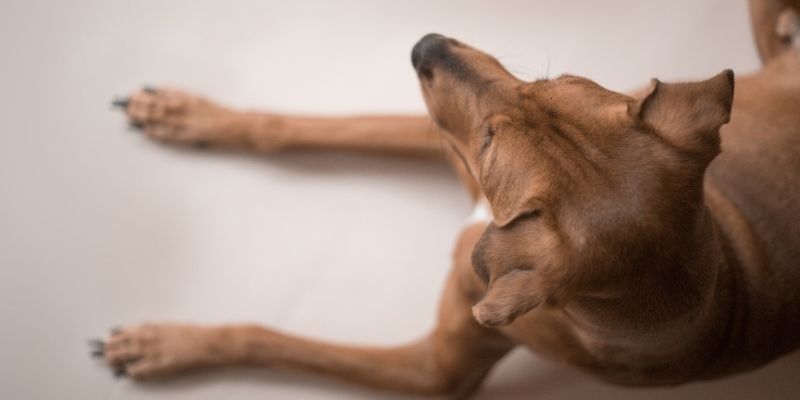
Vitamin C supports collagen production and connective tissue regeneration in dogs.
The Active Phase Detail
-
First 2 days: 50 mg per kg.
-
Gradual Increase: Add 10–15 mg per kg every two days until reaching the target dose of 100 mg per kg.
-
This phase provides the strongest anti-inflammatory effect.
Note: Dogs with gastritis must not receive vitamin C.
At Sasha Riess, we believe that proactive care is the foundation of longevity. Integrating vitamin C for dogs into a structured health plan is a strategic move toward pureloveandharmony. Ensure your dog moves with ease: Linktree Sasha Riess
The Dog Groomer’s Letter of the Month Club with Sasha Riess
by Sasha Riess | 21.05.26. | Behaviour
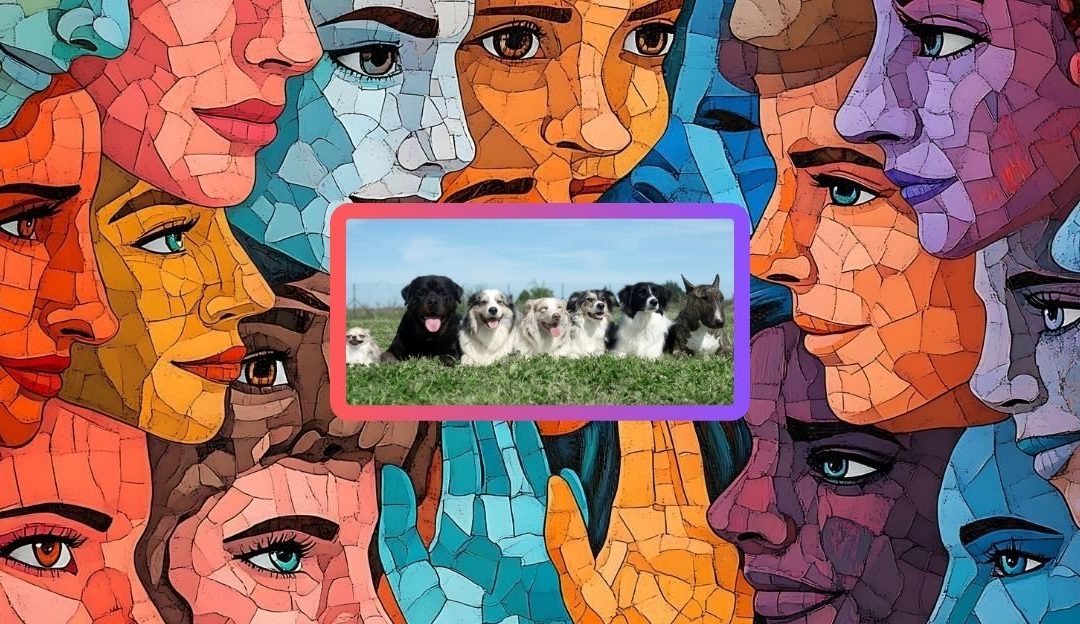
The human-dog relationship is often a mirror of our personal attitudes, fears, and cultural patterns. Differences in opinions, tastes, and values are not a problem in themselves; they become dangerous only when dogs suffer because of them.
Why People Disagree Even About Dogs
Differences in what we like are not random. When we choose a dog, we often do not choose a living being—we choose an image.
-
One person dislikes black dogs.
-
Another focuses on the fur.
-
A third sees only beauty.
There is no right or wrong here, only difference. People look at life through different filters, and different opinions are not an attack. The problem begins when these differences justify poor treatment.
A Paradigm That Brings Results
There is a way of thinking and working with dogs that, when applied consistently, brings real results to the human-dog relationship:
If a method produces these results, why should it be dismissed just because it challenges the dominant belief that a dog is „problematic“?
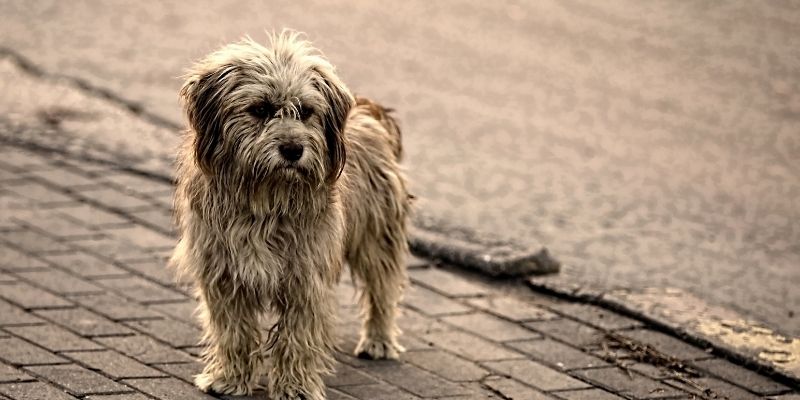
The dog is the animal that suffers most because of humans.
Who Truly Suffers in the Human-Dog Relationship?
There is no animal beside which humans suffer more than a dog, but there is also no animal that suffers more because of humans. The dog is the only animal completely bound to human decisions, fears, and projections.
Because of this, the responsibility always lies with us.
Changing Our Perspective
Differences in opinion are not the issue. The issue is when a dog pays the price for our aesthetic criteria or our fears. If we change how we perceive them, we change their fate.
At Sasha Riess, we believe that the human-dog relationship should be based on understanding the dog’s true nature, not our own projections. Only then can we achieve pureloveandharmony. Learn how to look past the „image“ and see the soul: Linktree Sasha Riess
The Dog Groomer’s Letter of the Month Club with Sasha Riess