
Why Dogs Eat Grass and How to Help with Digestion
Many dog owners often wonder why dogs eat grass. While it might seem harmless or even odd, this behavior often hides subtle signals your dog is sending about digestion or overall health. Understanding those signals provides the first step in offering true support and relief.
Is It Normal for Dogs to Eat Grass?
Occasional grass-eating occurs commonly among dogs and usually causes no concern. Most often, the reason lies in the digestive system, as dogs instinctively eat grass to soothe stomach discomfort or speed up digestion. Consequently, it sometimes triggers vomiting, a natural detox process that helps the stomach release excess acid or undigested food.
A dog’s stomach produces incredibly strong acid, powerful enough to digest even raw bones. However, this applies only to fresh bones, as cooked ones remain unsafe and cause serious injuries to the digestive tract.
Warning Signs
Frequent grass-eating, vomiting, acid reflux, lip-smacking, or excessive drooling all reveal that the stomach and intestines lack balance. In such cases, owners must respond quickly to help their dogs naturally.
Zeolite as Natural Support
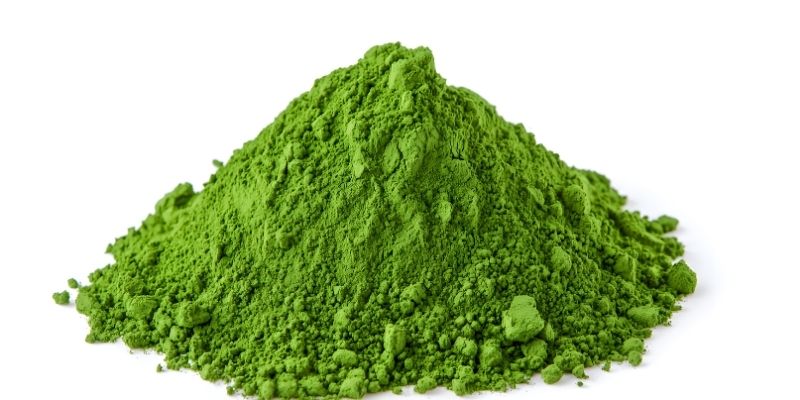
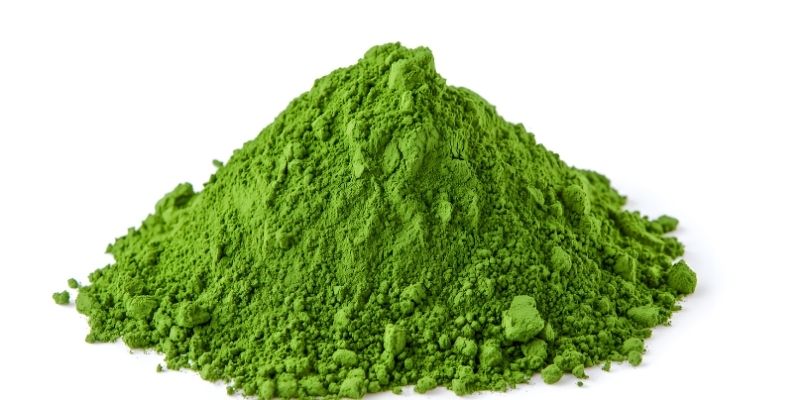
Zeolite serves as a natural mineral that helps detoxify the body and restore intestinal balance. For dogs, it significantly reduces issues such as acid reflux, vomiting, and poor digestion.
How to Prepare Zeolite
Prepare zeolite safely by following these steps:
-
Add one tablespoon of zeolite powder to a glass of water and let it sit overnight.
-
In the morning, collect only the clear water and discard the heavy sediment.
-
Add one tablespoon of this mineral water daily to your dog’s food or drinking water.
Owners can use this method daily for about a month, especially during natural detox periods. Although some manufacturers recommend giving the powder directly, this gentle water preparation offers a simpler, easier option that dogs tolerate much better.
Cut Paw in Dogs: How It Heals and When It Becomes a Problem
You Are What You Eat: Why Dead, Dehydrated Dog Food Can Rob Dogs of Their Vitality
NATURAL DETOX SUPPLEMENTS HELP RESTORE DIGESTIVE BALANCE AND REDUCE ACID REFLUX IN DOGS.
Conclusion – What Does It Mean When a Dog Eats Grass?
A dog that occasionally eats grass doesn’t necessarily suffer from a serious health problem. However, frequent repetition or additional symptoms clearly show that the digestive system needs balance.
Ultimately, natural support like zeolite cleanses the body and strengthens stomach function. Observe your dog carefully and act early to maintain lasting health and vitality.
Thank you for reading.
To discover more about how emotional alignment, balanced lifestyle, and authentic energy restore internal balance, read our canine nutrition guidelines.
See you next time.
At Sasha Riess, we look past commercial labels to honor the unique biological blueprint of your companion. True health requires addressing the subtle internal patterns that create lasting vitality and pureloveandharmony. Discover the customized path to your dog’s longevity: Linktree Sasha Riess
Comfort bundle prebiotics and probiotic supplement gut health aid your dog’s immune and digestive systems
View this post on Instagram