
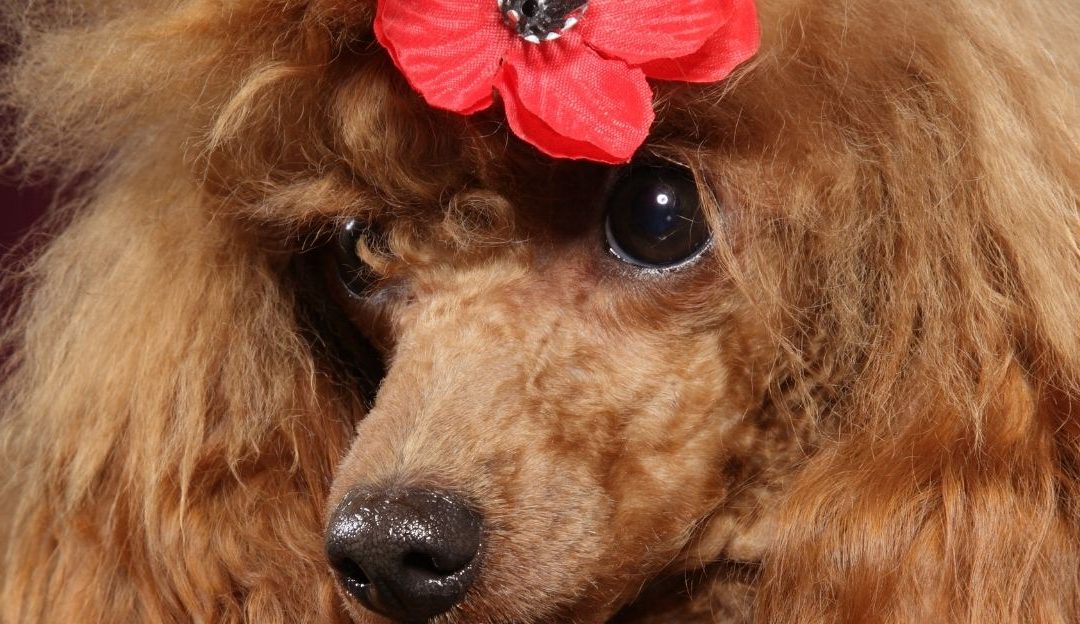
Among the questions owners ask me, the majority relate to poodles. Some wonder why the term hair is used for this breed instead of fur. They wonder if the reason lies in styling or in the quality of the coat. Ana, a dog lover, asked me whether a poodle’s hairstyle is simply a matter of taste or if other criteria exist. These are questions I hear constantly. Therefore, discovering the history behind traditional poodle grooming cuts reveals a fascinating truth. These styles originated from cold-water hunting requirements rather than modern fashion choices.
Identification: Why Is the Poodle So Close to Humans?
The country of origin of the poodle is Germany. However, after an imperial gift, it became recognized globally as a French breed. It was deeply admired among women of high social status. What I want to emphasize is that the poodle has proven exceptionally suitable for human identification. Its character feels familiar to people, which is why it remains one of the most widespread breeds in the world today.
In this process of identification, we often choose attributes more typical of humans than of dogs, hence the popular term “hair.” This choice has nothing to do with the actual coat itself. Breeds such as the Bichon or the Kerry Blue Terrier have a highly similar coat structure. However, the character of those breeds is not “poodle-like.” Humans have long identified deeply with the unique temperament of this breed.

History: From Goose Hunting to Fashion Runways
Although many people today immediately associate the poodle with extravagant hairstyles and show-ring fashion, the origin of these traditional trims was not cosmetic. The poodle served for centuries as a highly capable water-retrieving dog, especially in Germany, where it was used to retrieve waterfowl from cold lakes, rivers, and marshes.
Its athletic body allowed it to move efficiently through water and dense vegetation, but its dense curly coat created a serious challenge. When fully soaked, the coat could become heavy, slow the dog down, restrict movement, and increase the risk of exhaustion in cold water. Hunters therefore began clipping the coat strategically, not for decoration, but to help the dog swim, work, and survive.
The areas left covered had a specific protective purpose. Coat was preserved over the chest to help protect the heart, lungs, and major blood vessels from cold exposure. These organs are central to circulation, breathing, stamina, and survival, especially when a dog is repeatedly entering freezing or near-freezing water. Hair was also left over the hips, loin, and hindquarters to help protect the kidneys and reproductive organs, which sit in vulnerable areas of the body and can be affected by prolonged cold and wet conditions. Keeping insulation over these regions helped guard the dog’s core body function while still allowing the rest of the body to move freely.
The pompons around the joints also served a practical role. They helped keep warmth around the elbows, hips, stifles, hocks, and other working joints while reducing the heavy drag of a full coat. This mattered because a water-retrieving dog needed flexible movement, strong propulsion, and protection from cold stress during repeated swimming and climbing in and out of water. The shaved areas reduced weight, improved speed, and prevented the soaked coat from pulling the dog down.
Over time, this practical working trim evolved into the more refined patterns we now recognize as the Continental and English Saddle trims. The Continental trim kept the strongest emphasis on protecting the chest, joints, hips, kidneys, and vital organs while exposing much of the body for efficient movement. The English Saddle trim developed as a fuller, more balanced version, with additional coat left over the hindquarters and legs, creating a more elaborate silhouette while still reflecting the same historical idea of protection, function, insulation, and mobility.
What began as a survival-based clipping pattern for a working water dog later became formalized into show presentation. The modern poodle trims may look decorative today, but their roots come from anatomy, organ protection, cold-water work, and the practical needs of a dog bred to retrieve in demanding conditions.
Recommended readin:
Watery Eyes in Dogs: When the Cause Is Not an Infection
A Signature Style and a Mark of Identity
Today, there are five basic poodle clips. My personal favorite is the Puppy Clip, which truly marked my professional career. That elegant Scandinavian form became a highly recognizable signature of the Sasha Riess brand.
I have devoted much of my life’s work to poodles. Within the strict breed standard and through a deep knowledge of coat quality, I managed to leave my artistic mark on this breed. The poodle is far more than a fancy hairstyle. It is a true reflection of a centuries-long bond between human and dog. To explore more about professional clipping techniques, coat texture maintenance, and advanced hygiene routines for complex coats, read our holistic coat care guidelines.
At Sasha Riess, we elevate grooming from a simple cosmetic service to an art form that honors canine history. Protect the integrity of your dog’s coat to bring out true vitality and pureloveandharmony. Discover our professional standards for your companion: Linktree Sasha Riess
What If The Dog Was Never The Problem?
👉 Follow our Facebook page and never miss our latest articles, news, and updates.
View this post on Instagram