
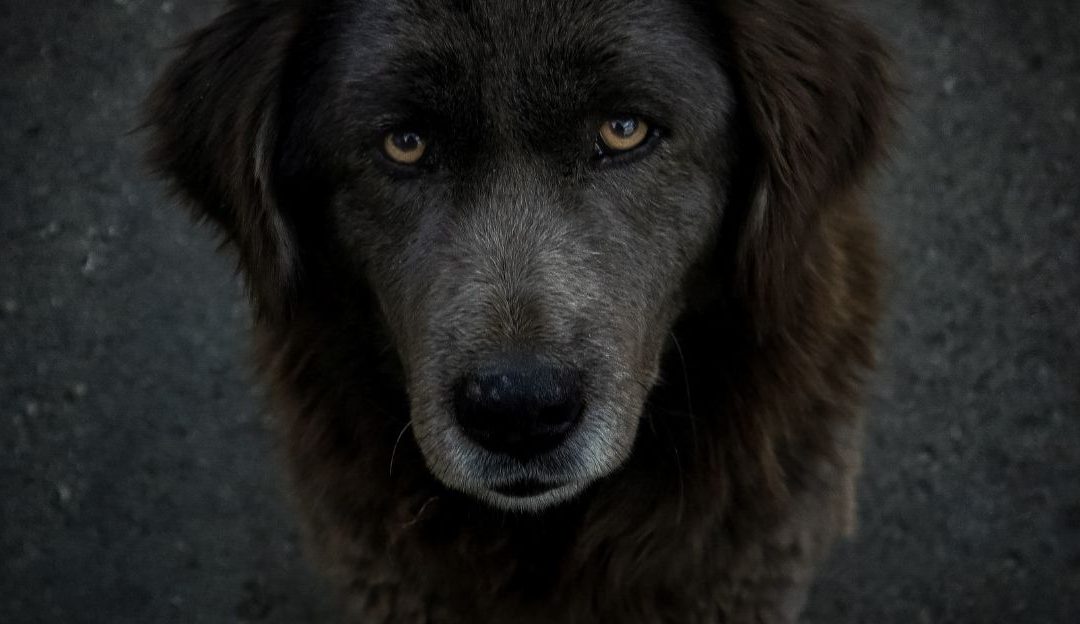
When a dog refuses to come when called, especially outdoors, many owners immediately assume they are doing something wrong. However, the dog rarely acts out of pure disobedience. Most of the time, the dog makes a decision based on the dynamics of the relationship with the owner and past experiences. Consequently, understanding why a dog refuses to come when you call helps us see that a refusal never happens by accident — it always has a clear underlying reason.
Establishing Structure and Feeding Rituals at Home
For a dog to truly want to come when you call, the exercise must begin at home. The first step involves establishing a clear feeding ritual. After you take your bite and prepare the dog’s meal, take a few steps backward and call your dog to come to you.
Even if the dog already follows you, stating the command clearly before placing the food down remains essential. When the dog finishes eating and moves away from the bowl, you lift the bowl away. Therefore, this process creates structure and teaches the dog that your invitations carry real meaning.

Using Intentional Rewards for Clear Communication
Rewards serve as a powerful tool, but only when you use them correctly. A treat should never exist as something constantly available. Instead, the dog must earn a reward through specific, desirable behavior.
That is why you should ideally reward the dog every time it comes when called, and never in any other situation. Food acts as a sacred channel of communication for dogs, so owners must use it with intention and absolute clarity.
Why Does a Mother Dog Stop Hearing Her Puppies After 13 Days
Why Does My Dog Not Drink Water? The Truth About Hydration That Tables Do Not See
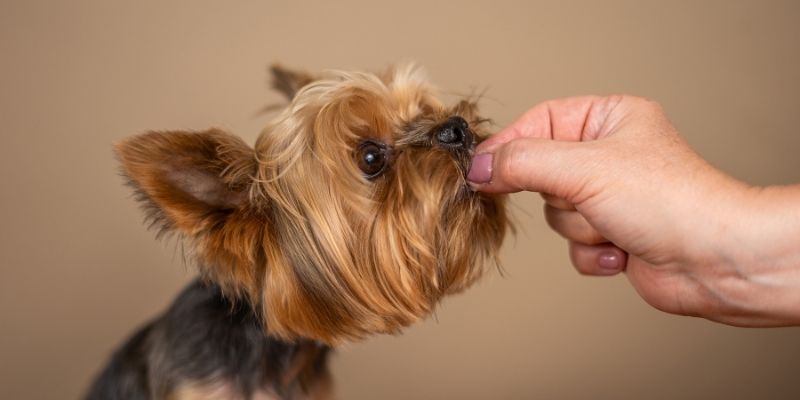
REWARDS SHOULD BE EARNED THROUGH SPECIFIC BEHAVIORS TO MAKE YOUR CALL THE MOST VALUABLE SIGNAL.
Building Predictability and Value Outdoors
Through this structured process, the dog learns that coming when called always brings something positive, predictable, and safe. Once you establish these rituals at home, they gradually extend to outdoor situations as well.
Simultaneously, remember that a dog does not ignore your call on purpose. The dog simply follows what its inner experience tells it is more important in that specific moment. Ultimately, your task involves making your call the most valuable signal in your dog’s entire environment.
Thank you for reading.
To discover more about how emotional alignment, balanced lifestyle, and authentic energy restore internal balance, read our canine communication & behavior guidelines.
See you next time.
At Sasha Riess, we look past commercial labels to honor the unique biological blueprint of your companion. True health requires addressing the subtle internal patterns that create lasting vitality and pureloveandharmony. Discover the customized path to your dog’s longevity: Linktree Sasha Riess
View this post on Instagram