
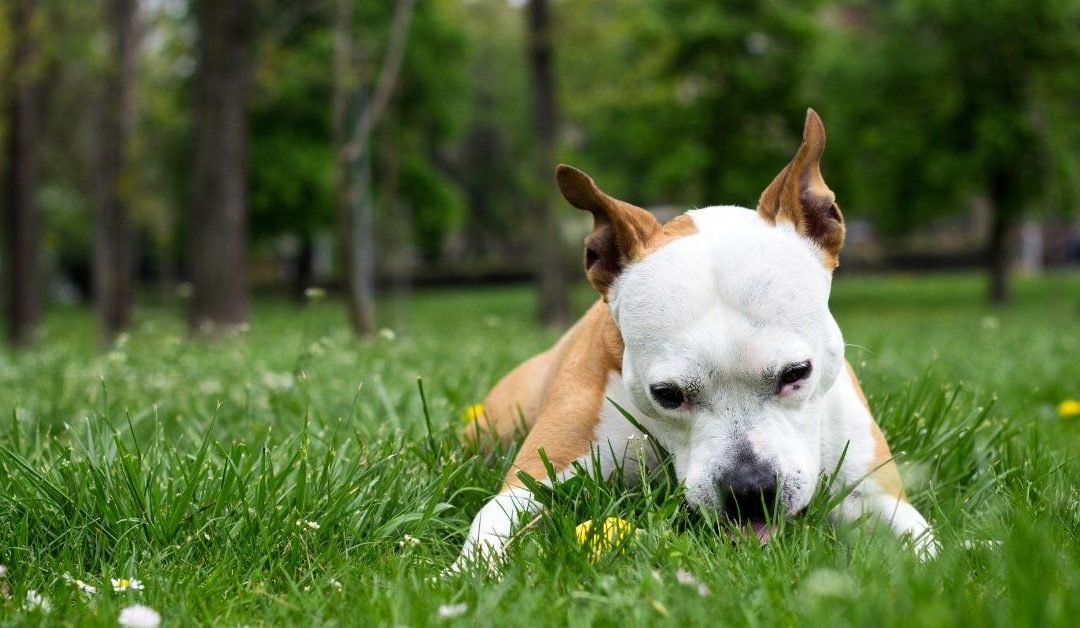
Many dog owners become confused and worried when they notice their dog eating feces from other animals or even other dogs. This behavior, known as coprophagia, may seem strange, but it actually has deeper instinctive, nutritional, and behavioral roots.
Coprophagia in dogs can confuse owners, but behind this habit lie instinct, diet, and the way a dog communicates with its human. Therefore, understanding why do dogs eat feces allows us to respond with patience rather than frustration.
Instinctive Habits, Boredom, and Attention-Seeking
This behavior appears most commonly in females. In nature, mother dogs have an instinct to keep the nest clean while caring for their puppies. They clean their pups and may even consume their feces to maintain hygiene in the area. As the puppies begin to eat solid food, this behavior naturally fades in the mothers.

Simultaneously, some dogs eat feces simply out of boredom or to get their owner’s attention. If you react strongly, the dog may interpret that reaction as success because it secured your focus, which leads the dog to repeat the action. Consequently, responding calmly and consistently, without anger or shouting, remains essential.
Diet, Probiotics, and Natural Minerals
A lack of nutrients or poor-quality food can lead dogs to seek ways to obtain missing bacteria or enzymes for digestion. Dogs that eat too many carbohydrates or have difficulty digesting their food may instinctively try to balance their diet by eating feces.
Adding probiotics to your dog’s diet helps regulate digestion and reduces the urge to eat feces. Fermented fruits and vegetables or natural supplements can significantly improve gut flora and support a healthy microbiome.
In nature, dogs also eat bones because they provide rich sources of minerals. Offering your dog a raw or dried bone once a week (never cooked, as it can splinter and cause injury) supplies essential minerals while maintaining dental health.
Why Dogs Fear Car Rides – and How to Help Them Overcome It
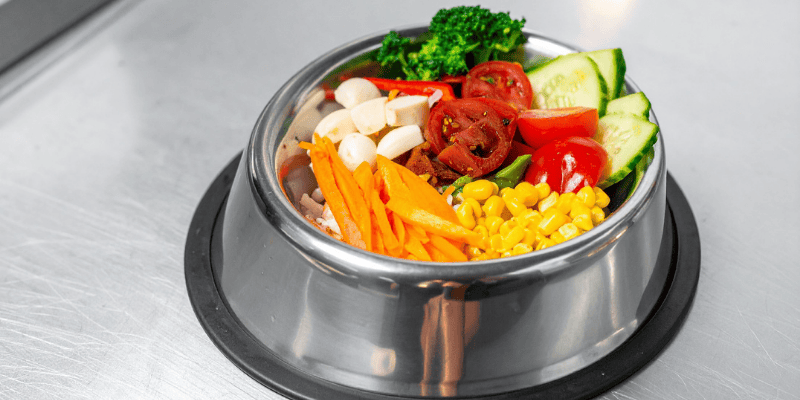
BALANCED NUTRITION AND PROBIOTIC SUPPLEMENTS RESTORE GUT FLORA AND REDUCE UNWANTED CRAVINGS.
Addressing the Behavior Through Communication
When a dog exhibits this behavior, introducing proper communication protocols becomes necessary. A dog needs to understand clear boundaries while receiving enough attention and mental stimulation through walks, play, and structured training.
If you notice your dog persistently eating feces, pay attention to these essential factors:
-
The quality of food and amount of carbohydrates in the diet
-
The inclusion of probiotics and natural supplements
-
Consistent communication and a calm, patient approach
This behavior does not necessarily mean your dog has a serious problem. Instead, it often serves as a message that something is missing, whether nutrients, attention, or clear boundaries. Ultimately, when we learn to understand these signals and respond appropriately, our dogs become more balanced, calm, and fulfilled.
Thank you for reading.
To discover more about how emotional alignment, balanced lifestyle, and authentic energy restore internal balance, read our canine communication & behavior guidelines.
See you next time.
At Sasha Riess, we look past commercial labels to honor the unique biological blueprint of your companion. True health requires addressing the subtle internal patterns that create lasting vitality and pureloveandharmony. Discover the customized path to your dog’s longevity: Linktree Sasha Riess
What If The Dog Was Never The Problem?
👉 Follow our Facebook page and never miss our latest articles, news, and updates.
Doggie Parent Academy
View this post on Instagram