
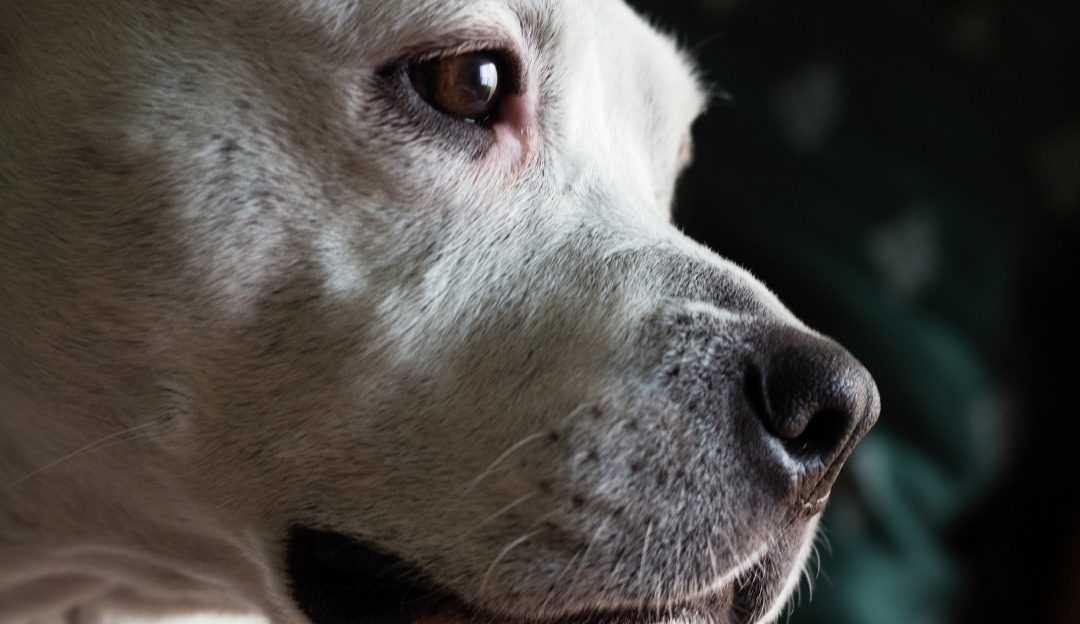
Successful communication with a dog can be a challenge for many owners. Have you ever noticed your dog turning its head away when you speak to it or ask something of it? Many people interpret this as stubbornness, disobedience, or a lack of interest. However, the reality may be far more complex. Before looking at the dog’s behavior, asking ourselves an important question provides clarity: Who are we really communicating with in that moment?
Are we speaking calmly and clearly to the dog in front of us, or are our emotions, frustrations, expectations, and past experiences also driving that interaction? Consequently, understanding our own emotional state forms an essential foundation for understanding why does a dog turn its head away.
Why Some Dogs Turn Their Heads Away
When we examine communication more closely, tone of voice, body language, facial expression, and emotional intensity all play critical roles. Dogs act as highly sensitive observers of human behavior. Turning the head away functions as a calming signal — a natural behavior many dogs use to reduce tension and avoid conflict.

In these moments, the dog attempts to create distance from something it perceives as uncomfortable, overwhelming, or emotionally intense. Therefore, rather than showing disrespect, this action demonstrates that the dog actively tries to maintain peace and emotional balance.
Dogs as Sensitive Observers of Human Emotions
Dogs excel at detecting subtle changes in human behavior. They notice shifts in posture, breathing, movement, facial expressions, and vocal tone long before most people become aware of them. Because of this sensitivity, dogs react not only to what we say, but also to how we feel while saying it. Simultaneously, periods of tension, stress, uncertainty, or emotional strain within a household influence a dog’s behavior in many different ways.
Sometimes, what appears to be a basic training issue actually reflects a dog responding to the emotional atmosphere around it.
Why Dogs Lick Everything and Attack: Causes and Solutions for Behavioral Problems
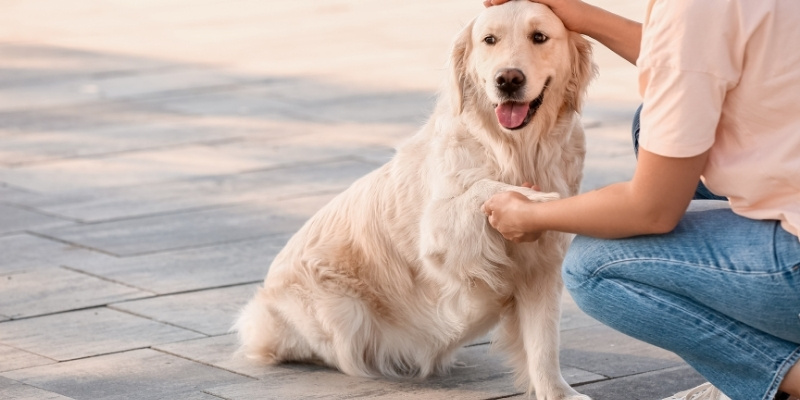
WHEN HUMAN PRESSURE DISAPPEARS, AUTHENTIC CONNECTION AND MUTUAL TRUST FOLLOW EFFORTLESSLY.
Looking Inward Before Looking at the Dog
When a dog repeatedly avoids eye contact, turns away, or appears uncomfortable during interactions, examining both sides of the relationship yields valuable insights. Communication involves much more than giving commands. It requires emotional clarity, consistency, and deep self-awareness.
The calmer, more predictable, and more emotionally regulated we become, the easier our dogs feel safe and engaged. Ultimately, improving communication begins not by changing the dog, but by becoming more conscious of our own presence and energy. When pressure disappears, true connection follows effortlessly.
Thank you for reading.
To discover more about how emotional alignment, balanced lifestyle, and authentic energy restore internal balance, read our canine communication & behavior guidelines.
See you next time.
At Sasha Riess, we look past commercial labels to honor the unique biological blueprint of your companion. True health requires addressing the subtle internal patterns that create lasting vitality and pureloveandharmony. Discover the customized path to your dog’s longevity: Linktree Sasha Riess
Sasha Riess for dog groomers ready to understand what others overlook beneath behavior, stress, and the canine coat
What If The Dog Was Never The Problem?
👉 Follow our Facebook page and never miss our latest articles, news, and updates.
View this post on Instagram